Jeonju, often lauded as the culinary capital of South Korea, offers a unique blend of historical charm and gastronomic delight. National Geographic notably recognized Jeonju as the “best food city in South Korea” in an article from Sun, 20 Oct 2024, a testament to its rich culinary heritage. At the heart of this vibrant city lies the Jeonju Hanok Village, a picturesque enclave where traditional Korean architecture meets a thriving food scene. For many travelers, a visit here isn’t just about sightseeing; it’s an immersive food tour, particularly centered around its iconic bibimbap. In 2026, the village continues to draw visitors eager to savor authentic flavors and experience Korea’s cultural soul, driven partly by the global appeal of K-culture, with “Dramas, K-pop and Instagram drive changing travel trends” as reported on Wed, 30 Oct 2024. This guide will help you navigate the essential tastes and experiences of a Jeonju Hanok Village food adventure.
Jeonju’s Culinary Crown Jewel: The Hanok Village
The Jeonju Hanok Village is more than just a collection of old buildings; it’s a living museum that has been meticulously preserved and revitalized. It features approximately 800 traditional Korean hanok buildings, many of which have been “restored over the past 15 years” according to reports from 내셔널지오그래픽 on Wed, 30 Oct 2024. This extensive restoration has transformed the village into a captivating destination where the past seamlessly intertwines with the present. Strolling through its narrow, winding alleys, visitors are transported to a bygone era, with the distinctive curved roofs and elegant wooden structures creating a serene atmosphere.
The village is not just a visual feast; it’s a hub of cultural activity. Many travelers find themselves captivated by the opportunity to experience traditional crafts, wear hanbok (traditional Korean attire), and enjoy the tranquility of a traditional tea house. This blend of history and activity makes it a “must” for travelers, as highlighted in a Korea.net article on Thu, 29 Jun 2023, describing it as a perfect place for “gastroventures.” The Hanok Village serves as a powerful magnet for tourism, cementing Jeonju’s status as a UNESCO City of Food, a designation it has held with pride, as mentioned in “Introducing Tourism Hub, Jeonju” on Wed, 16 Feb 2022. It’s a place where tradition is not just observed but actively celebrated, offering a deep dive into Korea’s heritage while tantalizing the taste buds.
Bibimbap: The Heart of Jeonju’s Gastronomy
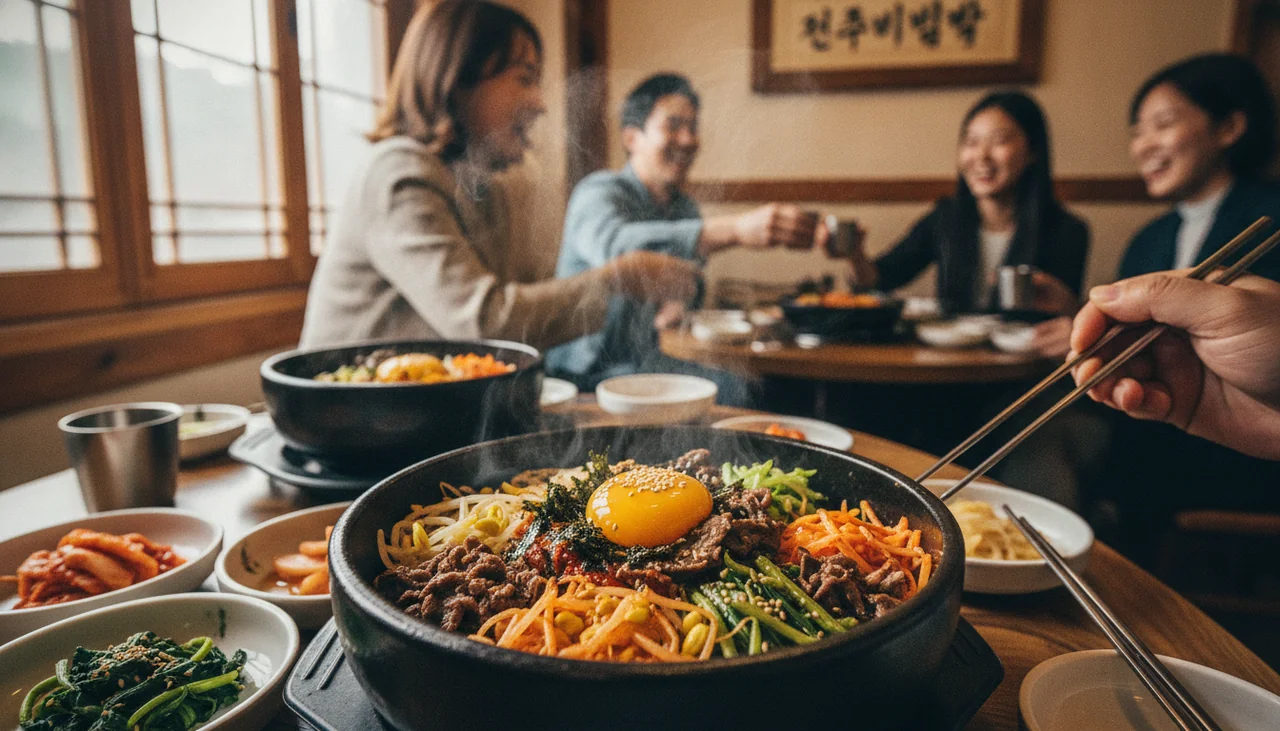
When one thinks of Jeonju cuisine, bibimbap is undoubtedly the first dish that comes to mind. This iconic mixed rice dish, vibrant with an array of colorful vegetables, meat, and a fried egg, is elevated to an art form in Jeonju. What makes Jeonju bibimbap distinct often lies in its specific ingredients, such as the use of local bean sprouts, beef tartare (yukhoe), and a unique gochujang (chili paste) blend that provides a depth of flavor unparalleled elsewhere. Locals tend to take great pride in the preparation, ensuring each bowl is a balanced symphony of textures and tastes.

The significance of bibimbap to Jeonju is further underscored by the annual Jeonju Bibimbap Festival. This grand celebration has been held every year since 2007 in the Jeonju Hanok Village area, as reported by “Introducing Tourism Hub, Jeonju” on Wed, 16 Feb 2022. The festival aims to “raise Jeonju’s status as a UNESCO city of food” through its signature dish. In 2026, the festival is expected to continue its tradition, with past events like the 2025 festival having run from Oct. 24-26, according to Stripes Korea on Mon, 20 Oct 2025. It’s often described as a “Genuine Cultural Food Festival” (Business Wire, Tue, 27 Sep 2022), drawing food enthusiasts and cultural explorers alike. While prices can vary based on ingredients and establishment, a traditional Jeonju bibimbap typically ranges from around 10,000 to 18,000 KRW, offering excellent value for a hearty, authentic meal that many travelers agree is a highlight of their visit.
Beyond Bibimbap: Other Must-Try Jeonju Flavors
While bibimbap holds the spotlight, Jeonju’s culinary landscape is rich with other traditional specialties and creative concoctions that are equally deserving of attention. One such staple is kongnamul-gukbap, a comforting bean sprout soup that is particularly popular as a breakfast dish or a late-night warm-up. This robust soup, often seasoned with salted shrimp and chili, is a local favorite, recognized alongside bibimbap by 내셔널지오그래픽 on Wed, 30 Oct 2024. Its simple yet profound flavors offer a different facet of Jeonju’s traditional cooking, providing a soothing warmth that many visitors find incredibly satisfying.
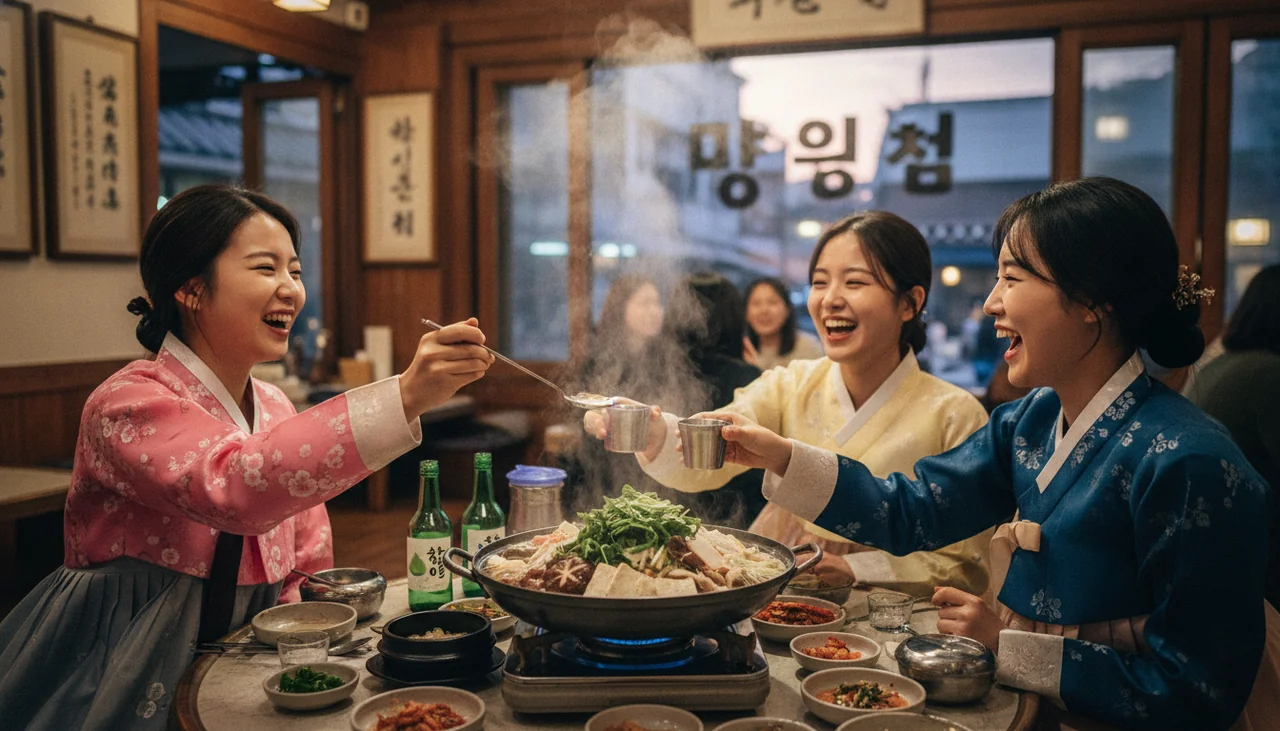
Beyond these classics, the “hidden alleys” of Jeonju Hanok Village are bustling with “street food vendors that offer regional traditional specialties as well as creative cuisine,” as described by Korea.net on Thu, 29 Jun 2023. This vibrant street food scene is where innovation meets tradition. For instance, travelers might encounter intriguing fusion dishes like bibimbap served in a waffle, a creative take mentioned by 내셔널지오그래픽 on Wed, 30 Oct 2024, showcasing the city’s willingness to experiment while honoring its culinary roots. Other popular street foods include various skewers, tteokbokki (spicy rice cakes), and mandu (dumplings), often available for a general price range of 3,000 to 8,000 KRW per item. Exploring these stalls allows for a delightful “gastroventure,” providing a continuous stream of flavors and aromas that make a food tour through Jeonju a truly memorable experience. What stands out is the sheer variety and the dedication to both preserving classic tastes and inventing new ones.
Crafting Your 2026 Jeonju Hanok Village Food Tour
Planning your food tour in Jeonju Hanok Village is straightforward, allowing you to focus on the delicious experiences ahead. The best time to visit often depends on your preference. For those wanting to immerse themselves in the biggest food celebration, timing your trip with the Jeonju Bibimbap Festival in late October, such as the Oct. 24-26 dates from 2025, is ideal. However, the village is charming year-round, with spring and autumn offering particularly pleasant weather for strolling. Many travelers find a common first impression of the village to be its calm beauty outside of peak festival times, making it excellent for a relaxed exploration of its cultural and culinary offerings.
To get there, most visitors arrive at Jeonju Station, which is well-connected by KTX high-speed rail from major cities like Seoul. From the station, the Hanok Village is a short taxi ride or a convenient bus journey away, typically taking about 15-20 minutes. The area is easily walkable once you’re there, encouraging leisurely exploration of its alleys, shops, and eateries. A rough budget for food in Jeonju could be estimated at around 30,000-50,000 KRW per person per day for a good mix of traditional meals and street food snacks, though it can certainly be adjusted based on appetite and preference. For those looking for a more structured experience, tour companies like InsideAsia Tours and Intrepid Travel, which feature Korean-American food experts like Dan, mentioned by 내셔널지오그래픽 on Wed, 30 Oct 2024, often include Jeonju in their “Soul of Korea” or “Best of South Korea” small group tours, as noted by Travel Agent Central on Thu, 30 Jan 2025, and Leisure Group Travel on Mon, 03 Feb 2025, respectively.
Practical Tips for a Seamless Jeonju Experience
Beyond the food, the Jeonju Hanok Village and its surroundings offer a wealth of cultural activities that enhance any visit. Consider renting a hanbok for a few hours; many travelers enjoy the experience of walking through the traditional village in historical attire, creating unique photo opportunities against the picturesque backdrop. There are also numerous workshops where you can try your hand at traditional crafts or learn about Korean paper (hanji), providing a deeper connection to local heritage. Exploring the “hidden alleys” (Korea.net, Thu, 29 Jun 2023) is a must, as these often lead to quaint cafes, art galleries, and smaller, less crowded eateries, perfect for discovering local gems.
While Jeonju is famed for its food, don’t forget to explore its broader cultural offerings. The city is a hub for traditional Korean arts and crafts, and there are many opportunities to witness or participate in cultural performances, particularly on weekends. Accommodation within the Hanok Village itself often consists of charming hanok guesthouses, offering a truly authentic overnight experience with traditional ondol (heated floor) sleeping. Booking in advance, especially during peak season or festival dates, is highly recommended to secure your preferred stay. Many visitors also combine their Jeonju trip with other regional explorations, though within Jeonju itself, the emphasis remains on the village and its immediate cultural and culinary vicinity. The charm of Jeonju lies in its ability to offer a comprehensive cultural and gastronomic journey, making it a standout destination for any 2026 Korean travel itinerary.
Quick Summary Jeonju Hanok Village is South Korea’s “best food city” (National Geographic, Sun, 20 Oct 2024) and a UNESCO City of Food. Its 800 traditional buildings, many “restored over the past 15 years” (내셔널지오그래픽, Wed, 30 Oct 2024), offer a unique cultural backdrop for its renowned cuisine. Bibimbap is the star, celebrated annually at the Jeonju Bibimbap Festival since “2007” (Introducing Tourism Hub, Jeonju, Wed, 16 Feb 2022), with recent dates like Oct. 24-26 (Stripes Korea, Mon, 20 Oct 2025). Beyond bibimbap, explore kongnamul-gukbap and creative street foods like waffle bibimbap. A food tour here is easily accessible from Jeonju Station, with general meal prices ranging from 10,000-18,000 KRW for bibimbap and 3,000-8,000 KRW for street snacks. The village’s cultural activities and “hidden alleys” (Korea.net, Thu, 29 Jun 2023) ensure a rich, immersive 2026 travel experience.
Found this helpful? Bookmark us! ⭐