Geoje Island, Korea’s second-largest island, has long been celebrated for its stunning coastal landscapes and, perhaps even more so, its abundant fresh seafood. As a destination, it has a highly developed tourism industry, attracting thousands of visitors annually, as reported by The Korea Times in November 2018. For travelers seeking an authentic taste of Korea’s maritime bounty in 2026, Geoje presents a compelling case. This island offers not just meals, but memorable culinary experiences deeply tied to its unique environment and vibrant local culture. From the freshest catches to scenic dining, Geoje is poised to deliver an unforgettable seafood journey.
The Peak Season: Why Winter is Geoje’s Seafood Sweet Spot
While Geoje’s waters offer delicacies year-round, many seasoned travelers and locals agree that winter truly is the best time to indulge in Korean seafood. This sentiment was echoed in a Korea Times article from December 2025, which highlighted winter as prime for enjoying everything from succulent grilled shellfish to delicate amberjack sashimi. During the colder months, the waters are crisper, and many species are at their plumpest and most flavorful. This makes late 2026 and early 2027 an ideal window to plan a Geoje seafood expedition. Imagine warming up with a hearty seafood stew or savoring the melt-in-your-mouth texture of sashimi, all while enjoying the serene, uncrowded beauty of the island. It’s an experience that truly connects you to the rhythm of the sea.

Travelers visiting in winter can expect to find a rich array of shellfish, often grilled right at the table, alongside various types of fresh sashimi. The island’s reputation for fresh ingredients is well-established, with restaurants often showcasing their commitment to quality, satisfying the curiosity of diners about their sourcing, according to a November 2018 report in The Korea Times. While many seafood restaurants operate throughout the year, the winter season often brings special menus and an unparalleled freshness that discerning palates will truly appreciate.
Iconic Landmarks & Diverse Dining Experiences
Geoje’s appeal extends far beyond its culinary offerings, with several landmarks providing a perfect backdrop for your seafood explorations. One such iconic spot is Maemiseong (Cicada Castle), a picturesque stone fortress built by a local resident. Its unique story and scenic views make it a popular spot for photos and leisurely strolls. Near this attraction, travelers can find various dining options, including establishments offering Western-style seafood cuisine, such as the Badabaram Seafood Maemiseong Branch (바다바람 씨푸드 매미성본점) located in Jangmok-myeon. This highlights the diversity of dining available, catering to different tastes while utilizing the island’s fresh catches.
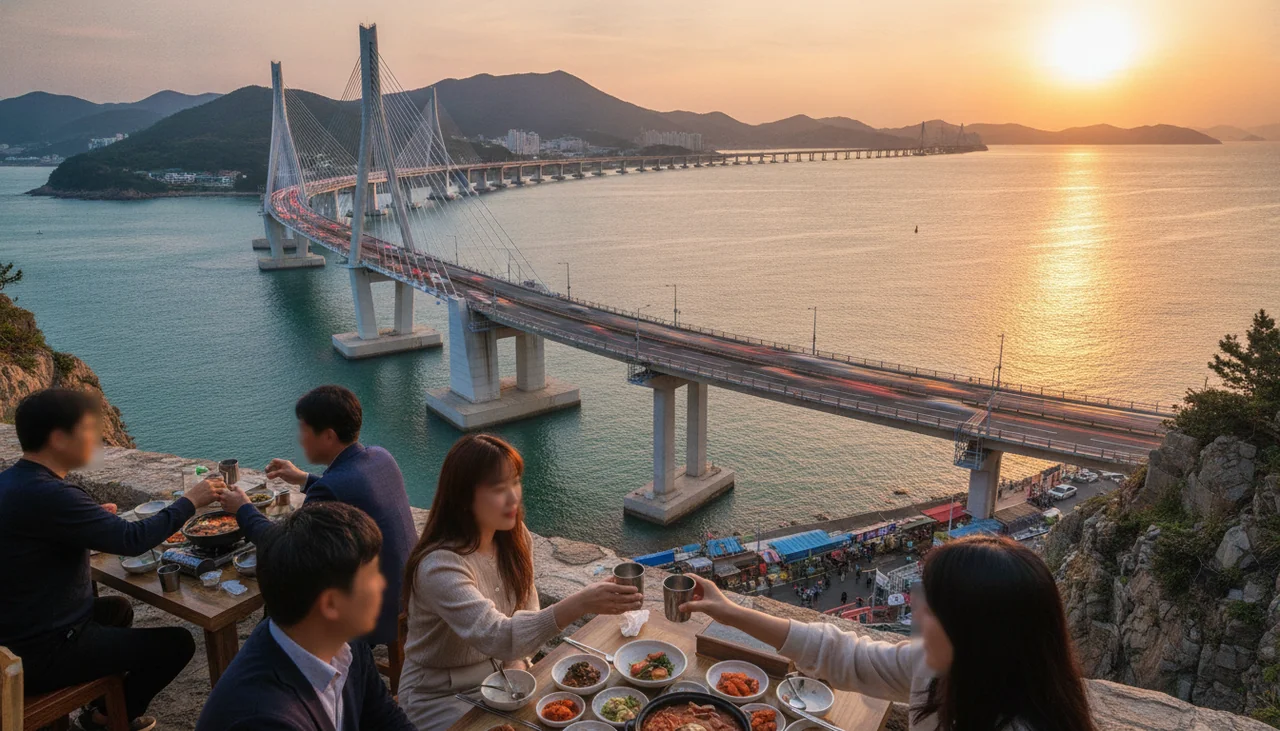
Another notable landmark is the Hanwha Resort Geoje Belvedere, which promises a “Seaside Luxury Experience,” as described by the Hanwha Group in October 2018. Such resorts often feature high-end dining options that incorporate local seafood, offering a more upscale way to enjoy Geoje’s bounty. Beyond these specific sites, the island itself offers intriguing geographical features. For instance, the “blue sand dune” area of Geoje Island, known as Cheongsa, gained attention in the Year of the Blue Snake (2025) for its snake-like shape, inspiring its name meaning “long snake” in Chinese, according to The Korea Times in January 2025. Exploring these unique natural and man-made landmarks provides a full Geoje experience, seamlessly blending sightseeing with exceptional dining.
It’s also worth noting that while Geoje’s seafood is celebrated, past concerns have prompted enhanced safety measures. For example, in 2016, there were reports of cholera cases linked to seafood consumption on Geoje Island, as detailed by the Korea Centers for Disease Control and Prevention (KCDC) in September 2016. These incidents led to increased scrutiny and improvements in food handling and safety protocols across the industry. Today, travelers can dine with confidence, knowing that establishments adhere to stringent hygiene standards, ensuring the freshest and safest seafood experience. This commitment to quality and safety is part of Geoje’s ongoing evolution as a premier culinary destination.
Practical Tips for Your Geoje Seafood Adventure in 2026
Planning your Geoje seafood trip requires a bit of foresight to maximize your experience.
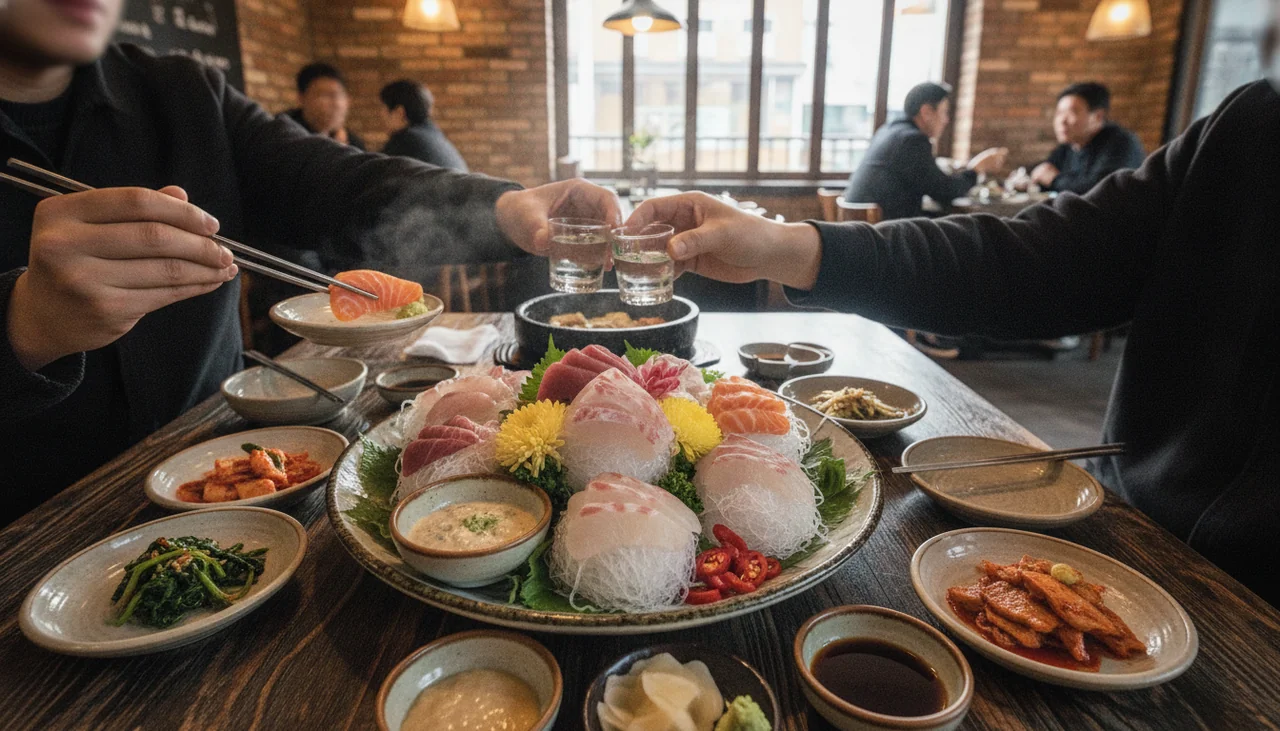
Getting There: Geoje Island is accessible by bus from major cities like Seoul or Busan. From Seoul, the journey takes approximately 4-5 hours to Geoje Bus Terminal. From Busan, it’s a much shorter trip, around 1-1.5 hours, often utilizing the Geoje-Busan Bridge (Geoga Bridge), which is an impressive sight in itself. Once on the island, public buses connect major towns and attractions, but renting a car or using local taxis can offer more flexibility, especially for exploring scenic coastal routes and more remote dining spots.
Rough Budget: For a satisfying seafood meal on Geoje, expect to budget around 20,000-50,000 KRW per person for a main dish or set meal. High-end options or elaborate sashimi platters might range from 70,000 KRW upwards. Simple grilled shellfish or smaller individual dishes might start from 15,000 KRW. Accommodation can vary widely, from budget guesthouses starting around 50,000 KRW per night to luxury resorts like Hanwha Resort Geoje Belvedere, which would be significantly higher.
Best Time to Visit: As mentioned, winter (late 2026 through early 2027) is ideal for specific seafood types like amberjack and shellfish. However, spring and autumn offer pleasant weather for sightseeing and still provide excellent seafood options. Summer can be busy with domestic tourists, but it’s also a great time for water activities.
Nearby Spots to Combine: Tongyeong: Often visited in conjunction with Geoje, Tongyeong is another beautiful coastal city known for its cable car, scenic views, and fresh seafood markets. It’s easily reachable by a short drive. Oedo Botania: A stunning marine botanical garden accessible by ferry from Geoje, offering breathtaking views and a unique natural experience. Windy Hill (Baramui Eondeok): A picturesque spot known for its windmill and panoramic ocean views, perfect for a post-meal stroll. Geoje Folk Village: Explore traditional Korean architecture and learn about local history and culture.
Geoje’s Flavorful Future: Pop Culture and Culinary Charms
Geoje Island is not just about its natural beauty and delicious food; it’s also a place with a growing cultural presence. The island proudly celebrated its first girl group star, Won-i, in December 2025, with hometown banners reportedly adorning the area, according to the Chosun Ilbo. This connection to pop culture reflects Geoje’s dynamic spirit and its place in the broader Korean narrative. Such local pride often translates into a vibrant community, where visitors can feel welcomed and immersed in the local way of life.
Moreover, the allure of Korean cuisine, including its seafood, has captured international attention. The “Lonely Gourmet” series, featuring Yutaka Matsushige, highlighted Korean food that left a lasting impression, as reported by Maeil Business Newspaper in October 2024. While not specifically about Geoje, it underscores the global appreciation for Korea’s diverse culinary landscape. This rising international profile only adds to the experience of exploring Geoje’s unique flavors, knowing you’re part of a larger appreciation for authentic Korean gastronomy. The island’s commitment to showcasing fresh, local ingredients ensures that your seafood journey is not just a meal, but a genuine cultural immersion.
—
Key Takeaways
Winter is Prime Seafood Season: The colder months of late 2026 and early 2027 offer the freshest and most flavorful seafood, including amberjack sashimi and grilled shellfish, as highlighted by The Korea Times in December 2025. Diverse Dining & Landmarks: Geoje offers a range of seafood experiences near iconic spots like Maemiseong and the luxury Hanwha Resort Geoje Belvedere (Hanwha Group, October 2018), with options from Western-style seafood to traditional Korean fare. Enhanced Safety Standards: Following past concerns in 2016, Geoje’s food establishments now operate under stringent hygiene protocols, ensuring a safe and enjoyable dining experience. Accessibility & Budget: Easily reachable from Busan, Geoje seafood meals typically range from 20,000-50,000 KRW per person, with varied accommodation options available. * Cultural Connection: Geoje’s vibrant local culture, including its ties to rising pop stars like Won-i (Chosun Ilbo, December 2025), enhances the overall travel experience, making it more than just a culinary trip.
Found this helpful? Bookmark us! ⭐