Jeonju has long held a special place in the hearts of food lovers, and for good reason. It’s often celebrated as a culinary powerhouse, a reputation solidified by National Geographic’s declaration in October 2024 that Jeonju is the “best food city in South Korea.” This isn’t just hyperbole; it’s a city that proudly carries the UNESCO City of Gastronomy designation, a title it actively upholds through its vibrant food culture and annual celebrations. Many travelers find their first impression of Jeonju to be an overwhelming sensory delight, a perfect blend of rich history and tantalizing flavors that promise an unforgettable journey.
The magnetic pull of Jeonju in 2026 remains as strong as ever, particularly for those looking to immerse themselves in authentic Korean heritage and, of course, its legendary bibimbap. The city’s dedication to preserving its culinary traditions while embracing innovation makes it a standout destination. From the meticulously crafted bowls of bibimbap to the lively street food scene nestled within historic alleys, Jeonju offers a comprehensive experience that appeals to every type of explorer. It’s a place where every meal tells a story, and every corner of the Hanok Village invites you to step back in time.
Jeonju’s Culinary Crown: A UNESCO City of Food
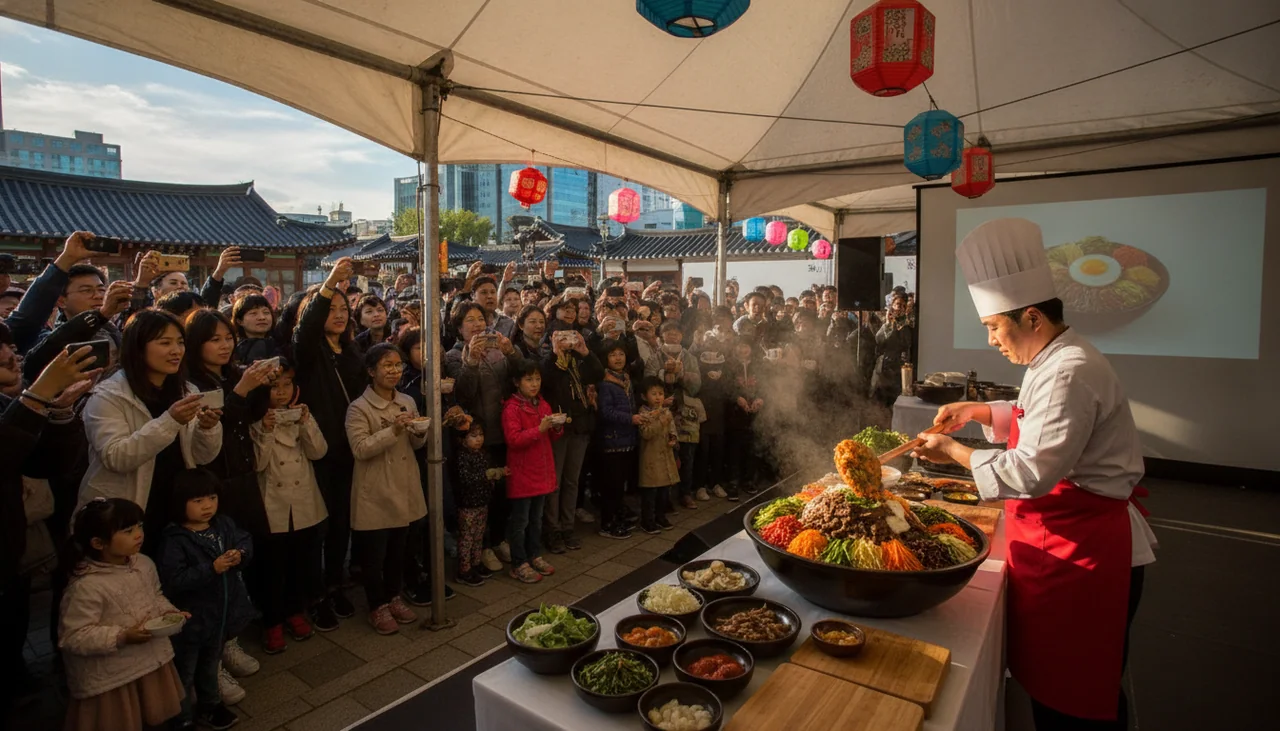
Jeonju’s status as a UNESCO City of Gastronomy isn’t merely an honorary title; it’s a testament to its deep-rooted culinary heritage and ongoing efforts to promote Korean food culture. This commitment is vividly showcased during the annual Jeonju Bibimbap Festival, an event that has been held “every year since 2007,” according to Korea.net in February 2022. The festival’s primary purpose is to elevate Jeonju’s global standing as a food city, using its most iconic dish, bibimbap, as a cultural ambassador.
The festival itself is a grand spectacle, described by Business Wire in September 2022 as a “Genuine Cultural Food Festival,” drawing visitors from across the globe. It’s an opportunity to witness the sheer diversity of bibimbap preparations, from traditional to creatively modern. Beyond the main event, Jeonju’s culinary landscape thrives year-round, with locals and visitors alike exploring its many “gastroventures” – a term coined by KOREA.net in June 2023 to describe the city’s hidden alleys brimming with traditional specialties and creative cuisine. What stands out is how seamlessly Jeonju blends its ancient culinary roots with contemporary tastes, ensuring there’s always something new and exciting to discover, reaffirming its place as a leader in South Korean gastronomy.
The Heart of Tradition: Jeonju Hanok Village
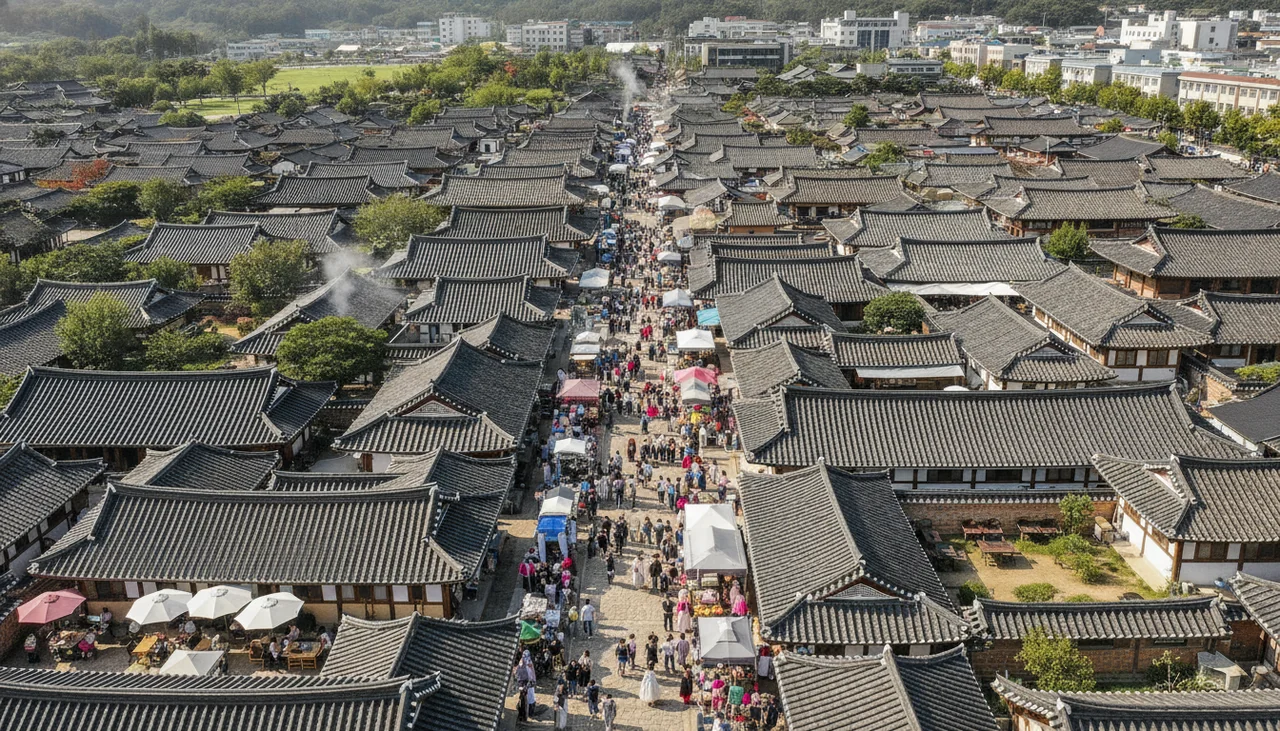
At the core of Jeonju’s charm lies its iconic Hanok Village, a sprawling collection of traditional Korean houses that transport visitors to a bygone era. National Geographic reported in October 2024 that this village comprises “800 traditional buildings restored over the past 15 years,” a remarkable preservation effort that makes it one of Korea’s most significant cultural landmarks. Walking through its winding, picturesque lanes, it’s easy to understand why a Moroccan student, as noted by KOREA.net in May 2023, described the “touristic charm of Jeonju” with such admiration.
Unlike some other hanok villages, Jeonju’s retains a vibrant, lived-in feel, bustling with traditional craft shops, tea houses, guesthouses, and, of course, an abundance of food establishments. Many travelers find the village to be a “must” for their itinerary, as highlighted by KOREA.net in June 2023, offering a unique blend of cultural immersion and modern convenience. It’s often compared to Seoul’s Bukchon Hanok Village, but with its own distinct character, offering a more extensive and comprehensive traditional experience. The village serves not just as a historical site but as a living museum, where the past and present gracefully intertwine, making it an essential stop for anyone visiting Jeonju.
Bibimbap Brilliance: More Than Just a Dish
Bibimbap in Jeonju isn’t just a meal; it’s an art form, a culinary masterpiece that embodies the city’s gastronomic identity. While bibimbap can be found throughout Korea, Jeonju’s version is renowned for its distinct preparation, often featuring bean sprout soup broth-cooked rice, a generous array of fresh seasonal vegetables, ginkgo nuts, pine nuts, and frequently, raw beef (yukhoe) or marinated beef. The meticulous arrangement of colorful ingredients in a large bowl, often a traditional brass dolsot, creates a visually stunning dish that’s as appealing to the eyes as it is to the palate.
The depth of flavor comes from high-quality, locally sourced ingredients and a specific gochujang (chili paste) that balances savory, sweet, and spicy notes. While traditional bibimbap is the undisputed star, Jeonju isn’t afraid to innovate. National Geographic, in October 2024, even mentioned the existence of “bibimbap served in a waffle” at a cafe within the Hanok Village, showcasing the city’s playful approach to its culinary heritage. This willingness to experiment, while maintaining a strong foundation in tradition, is what keeps Jeonju’s bibimbap scene fresh and exciting, inviting diners to explore both classic and novel interpretations of this beloved dish.
Beyond Bibimbap: Jeonju’s Diverse Flavors
While bibimbap holds the spotlight, Jeonju’s culinary prowess extends far beyond this single iconic dish. The city is a treasure trove of regional specialties and creative street food that promise a delightful “gastroventure” around every corner, as KOREA.net pointed out in June 2023. Another staple that National Geographic highlighted in October 2024 is kongnamul-gukbap, a comforting bean sprout soup with rice, often enjoyed with a side of crispy fried eggs and seasoned laver. This hearty soup is a popular choice for breakfast or a late-night meal, known for its restorative qualities and deep, savory broth.
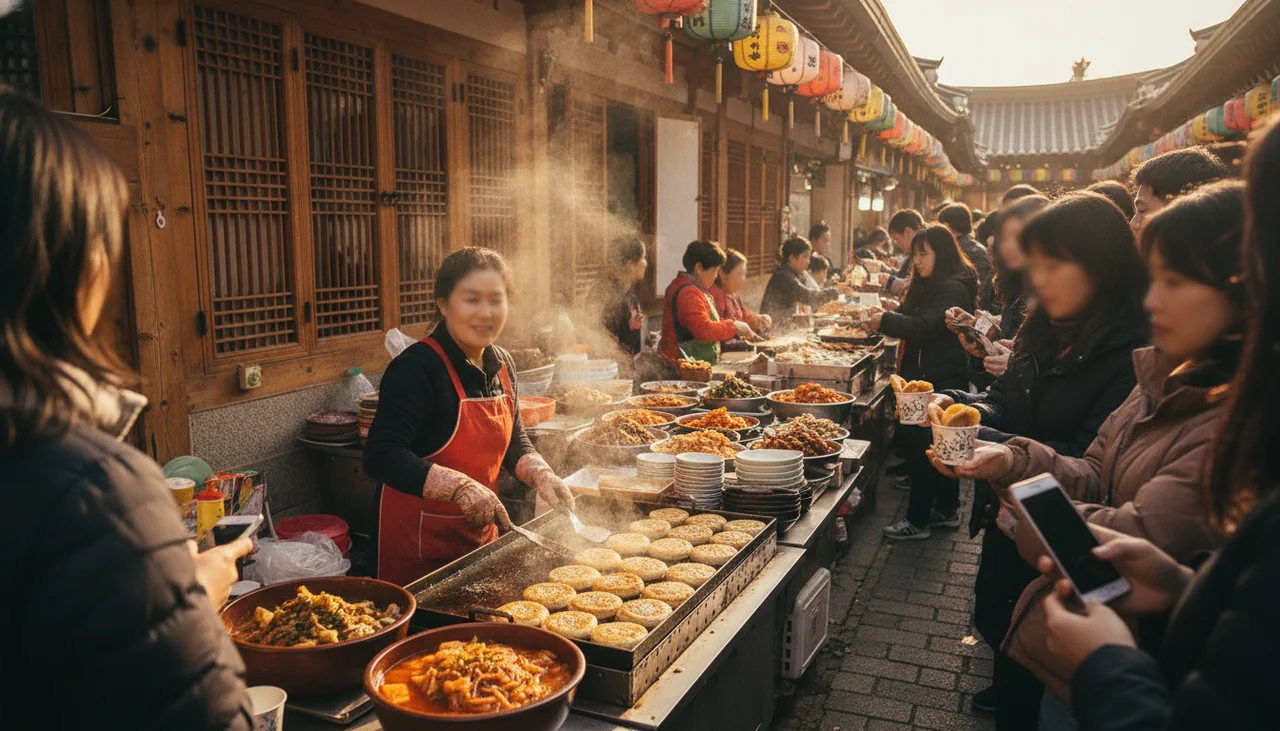
Walking through the alleys of the Hanok Village and surrounding areas, travelers will encounter an array of street food vendors offering everything from tteokgalbi (grilled short rib patties) and mandu (dumplings) to inventive snacks. Many local cafes also serve unique treats, such as the aforementioned bibimbap waffle, demonstrating a charming blend of tradition and modernity. The emphasis on fresh, local ingredients is palpable in all these offerings, ensuring an authentic taste of Jeolla Province. Honestly, the appeal here is the sheer variety and quality of food available, encouraging visitors to sample widely and discover their own personal favorites among Jeonju’s rich culinary tapestry.
Planning Your Jeonju Food & Culture Adventure in 2026
For those eager to experience Jeonju’s unique blend of food and culture, planning your trip around the annual Jeonju Bibimbap Festival is highly recommended. While specific dates for 2026 will be announced, the 2025 festival was scheduled for “Oct. 24-26,” according to Stripes Korea in October 2025, suggesting a similar late October timeframe is typical. Booking.com in October 2022 also recognized it as one of the “Fabulously Unique Food Festivals For Fall,” underscoring autumn as an ideal time to visit.
Beyond the festival, Jeonju is increasingly featured on specialized tours. Companies like InsideAsia Tours debuted their “Soul of Korea” small group tour in January 2025, and Leisure Group Travel announced a “New Tour Spotlights the Best of South Korea” in February 2025, both of which often include Jeonju. Guides like Dan, a Korean-American food expert for Intrepid Travel, are known for showcasing Jeonju’s unique culinary scene, as mentioned by National Geographic in October 2024. These tours provide structured ways to explore, but independent travel is equally rewarding. What stands out is how accessible and engaging Jeonju makes its cultural and gastronomic offerings, whether you’re joining a tour or exploring at your own pace.
Practical Tips for Your 2026 Jeonju Journey
Best Time to Visit: Fall (September to November) is ideal, offering pleasant weather and the vibrant Jeonju Bibimbap Festival, typically held in late October. Spring (April to May) is also beautiful, with blooming flowers and comfortable temperatures.
How to Get There: Jeonju is well-connected. From Seoul, the fastest way is by KTX train to Jeonju Station (approx. 1.5-2 hours). Express buses are a more budget-friendly option, taking around 2.5-3 hours from Seoul’s Central City Terminal. Once at Jeonju Station, the Hanok Village is a short taxi ride (around 10-15 minutes) or accessible via local bus.
Rough Budget: Jeonju offers excellent value. For food, a traditional bibimbap meal might cost around 10,000-15,000 KRW, while street food snacks range from 3,000-8,000 KRW. Daily food budget for a comfortable experience could be 30,000-50,000 KRW per person. Accommodation in a traditional hanok guesthouse can vary, but expect around 50,000-150,000 KRW per night depending on amenities. Entry to the Hanok Village itself is free, though some specific attractions or craft experiences may have fees.
Getting Around: The Jeonju Hanok Village is best explored on foot, allowing you to appreciate its intricate architecture and hidden alleys. For exploring areas outside the village, local buses and taxis are readily available and affordable. Many guesthouses also offer bicycle rentals, a lovely way to see the city.
Nearby Spots Worth Combining: While the Hanok Village is a primary draw, Jeonju’s “hidden alleys” are perfect for more “gastroventures,” as KOREA.net noted in June 2023. Consider exploring the Nambu Market for more local food experiences, especially its night market on weekends. The Jeonju National Museum and Deokjin Park (famous for its lotus flowers in summer) are also worthwhile additions to your itinerary.
Cultural Influence: It’s worth noting that “Dramas, K-pop and Instagram drive changing travel trends” for destinations like Jeonju, as reported by National Geographic in October 2024. Many travelers are inspired by these cultural phenomena, seeking out authentic experiences. Sharing your Jeonju adventures on social media is a common and encouraged practice, helping to spread the word about this incredible city.
Quick Summary
Jeonju in 2026 continues to shine as a top culinary and cultural destination in South Korea. Its status as a UNESCO City of Gastronomy is well-deserved, anchored by the iconic Jeonju Hanok Village with its “800 traditional buildings restored over the past 15 years” (National Geographic, October 2024). While the legendary bibimbap is a must-try, the city’s diverse street food and other traditional dishes like kongnamul-gukbap offer a rich tapestry of flavors. Planning your visit around the Jeonju Bibimbap Festival (typically late October, like “Oct. 24-26” in 2025, according to Stripes Korea in October 2025) provides an unparalleled immersive experience. With practical tips on travel, budget, and local exploration, Jeonju promises an authentic and delicious adventure for every traveler.
Found this helpful? Bookmark us! ⭐