Jeju Island, a volcanic marvel off South Korea’s southern coast, has long captivated travelers with its dramatic landscapes and unique cultural heritage. But for many, the island’s true allure lies in its unparalleled seafood. Among its many charming coastal towns, Hallim stands out as a genuine hub for some of the freshest and most diverse marine treasures. Hallim is not just a place to eat; it’s an experience rooted in the island’s deep connection to the ocean, offering a taste of Jeju that is both authentic and unforgettable in 2026.
Hallim: Jeju’s Coastal Treasure Trove for Seafood
Hallim-eup, located on the western side of Jeju, is a vibrant area that perfectly blends natural beauty with a thriving fishing industry. This region is synonymous with the bounty of the sea, drawing visitors eager to savor the island’s signature dishes. What stands out in Hallim is the palpable sense of connection to the ocean, from the bustling port activities to the numerous eateries showcasing the day’s catch. Many travelers find themselves drawn to the area not just for a meal, but for a deeper understanding of Jeju’s culinary soul. It’s often said that to truly taste Jeju, one must experience its seafood, and Hallim provides an ideal setting for this culinary journey.
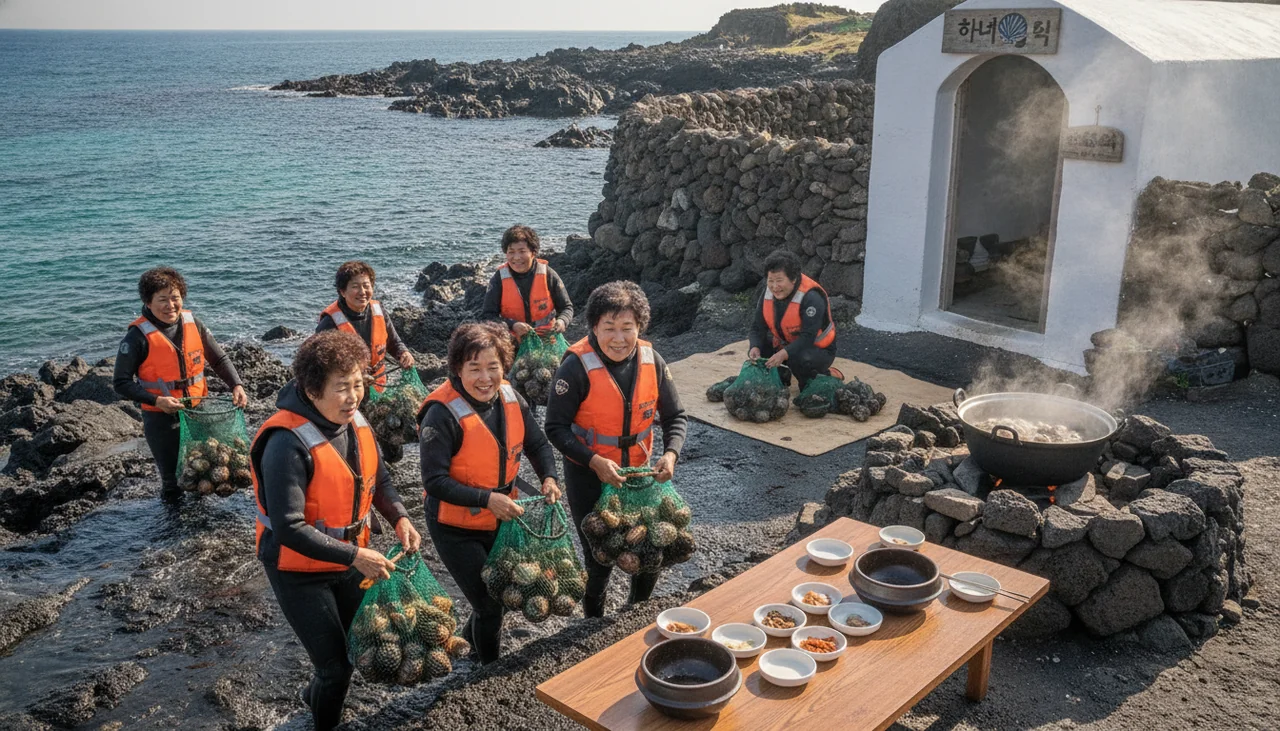
The waters around Hallim are particularly fertile, yielding a wide array of seafood that forms the backbone of local cuisine. Dishes featuring grilled abalone, delicate poached octopus, and savory soy-marinated conch are common sights on menus across the area, representing the rich diversity of the local marine ecosystem. Beyond these, the prized cutlassfish (galchi) is a local specialty, often prepared grilled or stewed, showcasing its tender, flaky white meat. In fact, the importance of this local catch is underscored by major retailers: Coupang, for instance, reported directly purchasing 90 tons of cutlassfish from off Hallim, Jeju Island, in 2025 alone, as part of their commitment to source 9,400 tons of fruit and seafood from rural areas by 2025 (Coupang, February 3, 2026). This direct sourcing highlights the quality and quantity of Hallim’s contribution to Korea’s seafood market.
From Ocean to Table: Hallim’s Fresh Catches & Unique Sourcing
The freshness of Hallim’s seafood is a key element of its appeal, often attributed to the efficient supply chains and the dedication of local fishermen. Beyond traditional fishing methods, modern innovations are also playing a role in ensuring that fresh produce reaches consumers across the island. For instance, Jeju Island initiated a drone delivery service in July 2024 from Geumneung-ri, Hallim-eup, delivering goods like fried chicken and even seafood collected by residents to neighboring islands (Jeju Island, July 9, 2024). This innovative approach underscores the commitment to freshness and accessibility that defines Hallim’s food culture.

When exploring Hallim, you’ll find various establishments that specialize in preparing these fresh ingredients. While I avoid naming specific small individual restaurants, places like 독개물항 제주한림 협재 본점, located at 제주특별자치도 제주시 한림읍 한림로 478, are examples of the well-regarded establishments that contribute to Hallim’s reputation for quality seafood. These types of venues typically offer a range of preparations, from hearty seafood japchae to nourishing yeongyangbap (nutritious rice) served alongside grilled or stewed fish. The emphasis is always on allowing the natural flavors of the sea to shine through, often with minimal seasoning to highlight the quality of the ingredients.
The Spirit of the Sea: Jeju’s Haenyeo & Traditional Fishing
No discussion of Jeju’s seafood culture is complete without acknowledging the legendary haenyeo, or female divers. This unique cultural heritage, recognized by UNESCO, is deeply intertwined with the island’s connection to the ocean. Many travelers are fascinated by the stories of these women who dive without oxygen tanks, gathering fresh seafood by hand. A French writer, for instance, shared her experience with Jeju Island’s female diver culture in August 2023 (korea.net, August 18, 2023), illustrating the enduring impact and significance of these remarkable women. Their legacy is a testament to sustainable harvesting practices and an integral part of Jeju’s identity.
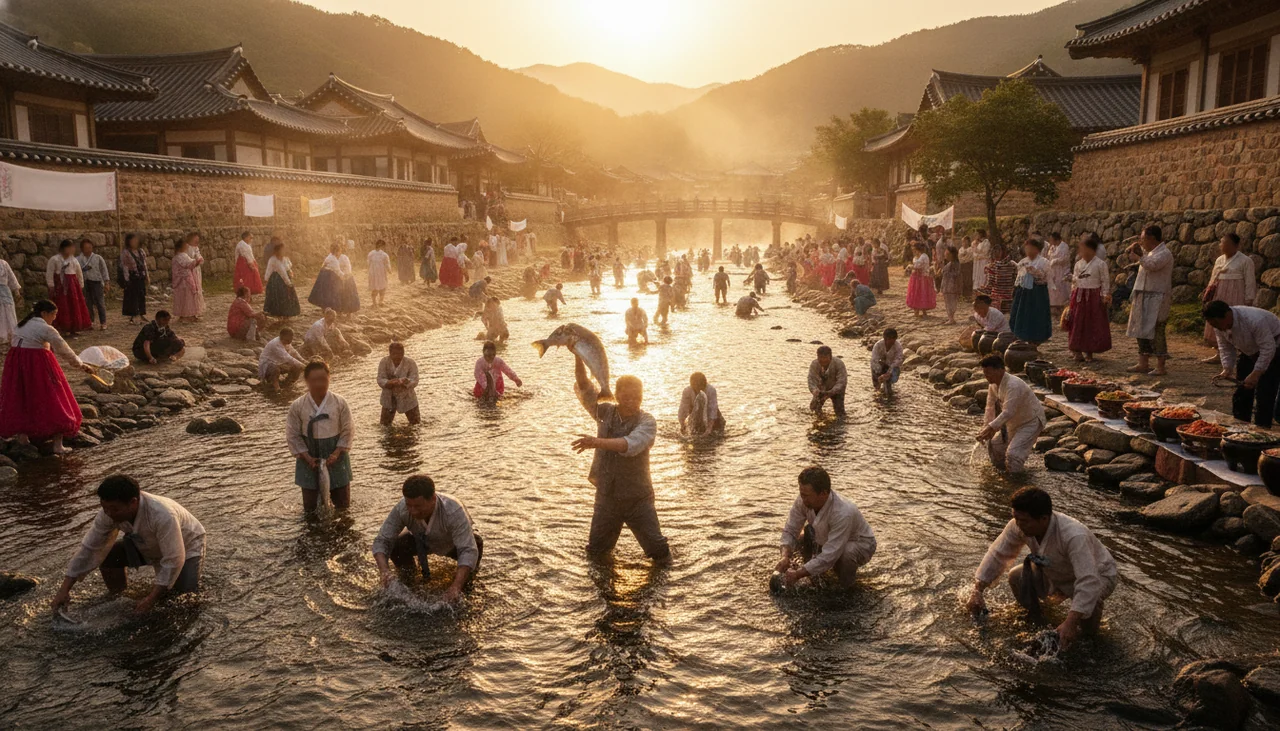
Beyond the haenyeo, traditional fishing practices continue to thrive and are celebrated through local festivals. The Geumnung Wondam Festival, for example, showcases traditional bare-handed fishing practices, offering a glimpse into the methods used for generations (Korea JoongAng Daily, August 24, 2025). These cultural events not only preserve ancient traditions but also connect visitors to the rhythm of island life and the seasonal bounty of the sea. Eating seasonally is a cornerstone of Jeju’s culinary philosophy, with a chef’s guide to eating seasonally on Jeju Island even being published in February 2020 (Culture Trip, February 19, 2020), emphasizing the importance of enjoying ingredients at their peak freshness. This commitment to seasonality ensures that the seafood you enjoy in Hallim is not only fresh but also perfectly in tune with nature’s cycles.
Navigating Your Hallim Seafood Experience in 2026
When planning your culinary adventure in Hallim, it’s important to be mindful of practical considerations, including health advisories. On July 17, 2026, the Seoul Economic Daily reported the first detection of deadly Vibrio bacteria off Jeju this year, with 아시아경제 also issuing an alert on July 16, 2026, regarding Vibrio vulnificus bacteria in Jeju waters. This is a crucial piece of information for visitors, especially when consuming raw seafood. While local authorities are vigilant and proactive in issuing alerts, it’s always wise for travelers to exercise caution, especially during warmer months. Many health advisories suggest cooking seafood thoroughly to minimize risks and to stay informed about local public health announcements during your visit. Opting for grilled, stewed, or stir-fried seafood dishes can be a safer choice during periods of heightened concern.
Beyond health, consider the best time to visit. While Jeju is beautiful year-round, spring and autumn offer pleasant weather for exploring. However, seafood is available throughout the year, with specific catches peaking in different seasons. A common first impression of dining in Hallim is the vibrant atmosphere, especially in areas closer to the port or popular beaches like Hyeopjae. Local establishments tend to offer a lively, welcoming environment, perfect for sharing a meal with travel companions.
Practical Tips for a Safe & Savory Visit
To make the most of your Hallim seafood journey in 2026, here are some practical tips:
Getting There: Hallim-eup is easily accessible by bus from Jeju City or Seogwipo. Public buses are efficient, and many routes pass through the Hallim area. Taxis or rental cars also offer convenient options for exploring at your own pace. Rough Budget: For a satisfying seafood meal, expect to pay around 15,000-30,000 KRW per person for a main dish, though prices can vary widely depending on the type of seafood and preparation. For shared platters or more premium items like large grilled abalone, prices can go higher, typically ranging from 50,000-100,000 KRW for a group. Nearby Spots to Combine: Hallim offers more than just food. Hallim Port: From here, a 15-minute boat ride can take you to Udo-myeon, where two to three hours of sightseeing reveals stunning sea views and striking rock formations along trekking courses (October 4, 2024, [WEEKEND GETAWAY] Island hopping in Korea). Geumneung-ri: This area, part of Hallim-eup, is not only a drone delivery hub but also offers beautiful coastal scenery, perfect for a post-meal stroll. Geumak Village (금악마을): Located inland from Hallim, this village was highlighted as a new attraction for foodies in October 2021 (kavenyou.com, October 23, 2021). It offers a different culinary experience, often focusing on local produce and traditional dishes, making for a great contrast to the coastal seafood. Hyeopjae Beach: One of Jeju’s most famous beaches, known for its white sand and clear turquoise waters, is just a stone’s throw from Hallim. It’s perfect for relaxing before or after a meal. Stay Informed: Always check local news and official government advisories for the latest information on food safety and environmental conditions, especially concerning seafood.
Hallim’s appeal lies in its authentic blend of fresh, ocean-to-table dining, rich cultural traditions, and breathtaking coastal scenery. It’s a place where every dish tells a story of the island, inviting you to savor the true taste of Jeju in 2026.
Quick Summary
Hallim-eup is a premier destination on Jeju Island for fresh, diverse seafood, including cutlassfish, abalone, octopus, and conch. The area benefits from efficient sourcing, including significant direct purchases by major retailers like Coupang (90 tons of cutlassfish in 2025), and even innovative drone delivery services from Geumneung-ri in 2024. The seafood culture is deeply rooted in the traditions of the haenyeo female divers and celebrated through festivals like the Geumnung Wondam Festival (August 2025). Visitors should be aware of the Vibrio bacteria detection reported in July 2026 and exercise caution with raw seafood. Hallim is easily accessible, budget-friendly for various dining experiences (15,000-30,000 KRW per person), and close to attractions like Hallim Port for trips to Udo-myeon, Geumneung-ri, and Geumak Village.
Found this helpful? Bookmark us! ⭐