Jeju Island, often hailed as South Korea’s island resort city, is a destination that captivates with its dramatic volcanic landscapes and, perhaps most notably, its unparalleled fresh seafood. While the entire island boasts incredible culinary offerings, the southern city of Seogwipo stands out as a true haven for seafood lovers. It’s a place where the ocean’s bounty is not just a meal, but a way of life, deeply rooted in tradition and delivered with exceptional freshness.
Honestly, the core appeal of Seogwipo’s seafood lies in its direct connection to the sea. The region is famously known for its seafood, “plucked from the seabed by women divers and served up fresh and raw,” as reported by Kim Hoo-ran in The Korea Herald back in 2016. These legendary “Haenyeo” (women divers) embody a sustainable, generations-old practice that ensures the highest quality catches reach the shore, often just hours before they hit the plate. This dedication to freshness is a hallmark of the dining experience here, creating a vibrant downtown atmosphere where culinary excellence thrives, as noted by islands.com in June 2026, describing Seogwipo as an “Asian Escape With Gorgeous Hikes, Mountains, And A Vibrant Downtown.”
Seogwipo’s Deep-Rooted Seafood Culture & Haenyeo Legacy
Seogwipo’s identity is inextricably linked to the ocean that surrounds it. The unique tradition of the Haenyeo, the elder women divers who harvest marine life by hand without breathing apparatus, is not just a cultural spectacle but a guarantee of exceptional quality. Many travelers are deeply impressed by the sustainable and respectful approach to fishing that these women represent. This ancient practice, which has been passed down through generations, ensures that the seafood found in Seogwipo is not only incredibly fresh but also responsibly sourced. It’s often said that the taste of the sea is purest here, reflecting the pristine waters around Jeju. This deep respect for nature and tradition permeates the local food scene, making a visit to Seogwipo an experience that goes beyond just eating; it’s an immersion into Jeju’s living heritage. The island’s culinary philosophy, which prioritizes fresh, seasonal ingredients, is a key takeaway from guides like Culture Trip’s “A Chef’s Guide To Eating Seasonally On Jeju Island” from February 2020.
Signature Seafood Dishes You Must Experience
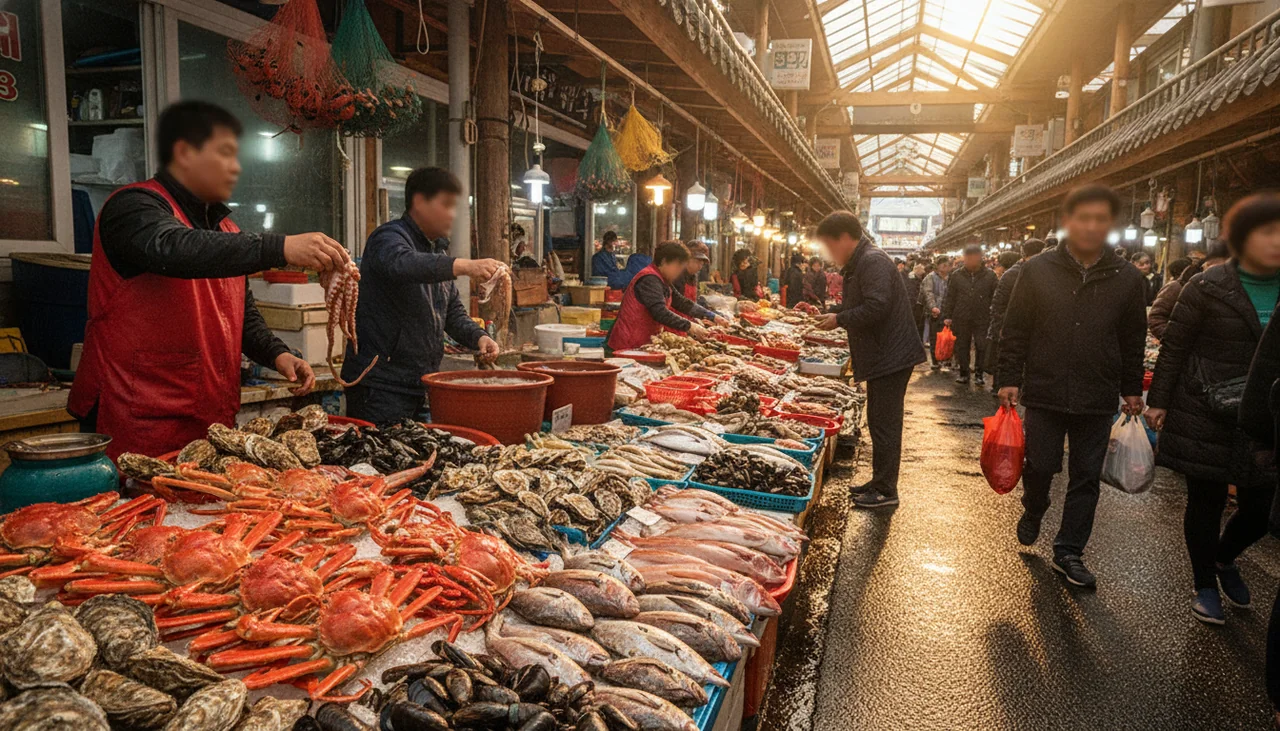
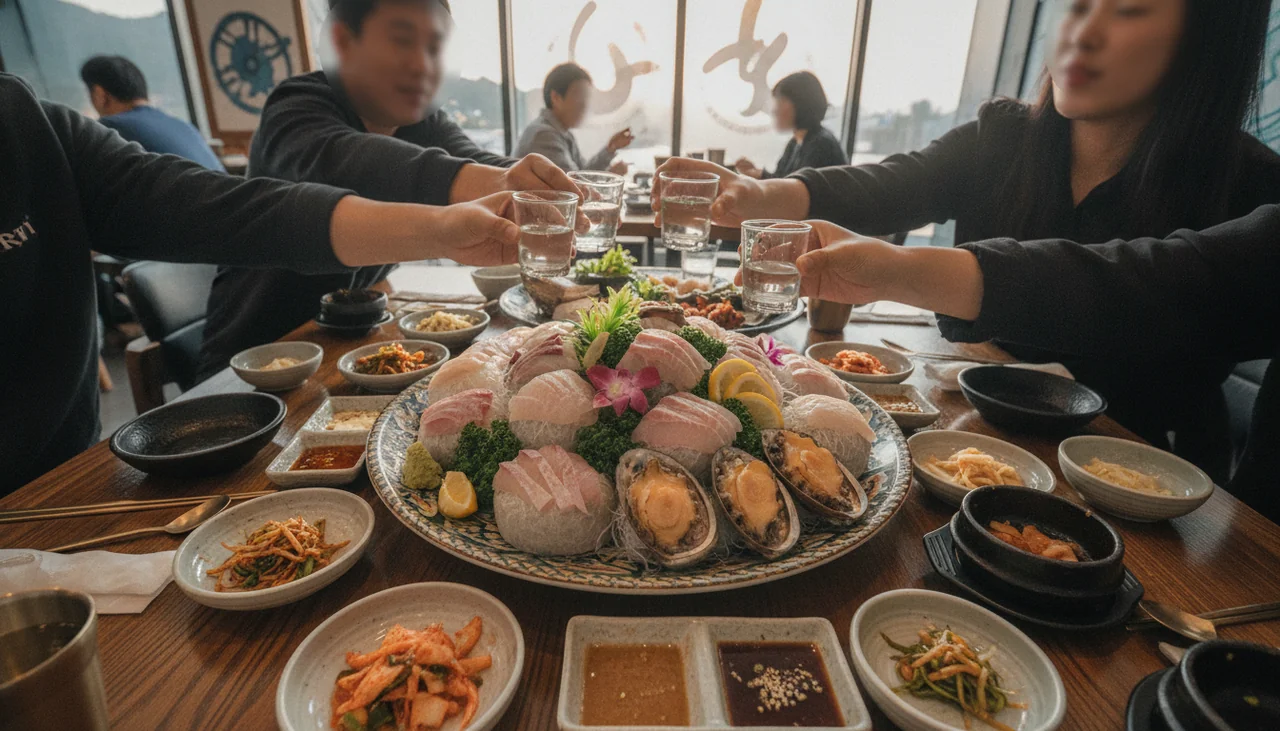
When it comes to dining in Seogwipo, the variety of seafood dishes is as vast as the ocean itself. What stands out is the emphasis on showcasing the natural flavors of the catch. Fresh sashimi and sushi are, of course, ubiquitous, offering a direct taste of the sea’s bounty. Reports from hotel events, such as those featuring Chef Semboshi in May 2018, highlight the availability of “fresh sashimi, sushi, abalone and more” in island kitchen buffets, demonstrating the high regard for these staples. Beyond raw preparations, many local establishments offer grilled fish, spicy seafood stews (haemultang), and various braised dishes that allow the seafood to truly shine. Abalone, a highly prized delicacy, can be enjoyed in various forms, from grilled with butter to incorporated into porridges. The culinary approach often involves “subtle seasonings and slow braising,” as emphasized by the Michelin-starred Yong Fu restaurant (The Korea Herald, May 2025) in its general approach to fresh seafood on Jeju, a philosophy shared by many local establishments seeking to highlight the inherent quality of their ingredients.
Navigating Seogwipo’s Traditional Markets for the Freshest Finds
For an authentic and immersive seafood experience, a visit to one of Seogwipo’s traditional markets is indispensable. The “Traditional Market N” in Seogwipo, for instance, is a bustling hub where “travelers browse for omegitteok rice cakes as local residents pick up fresh seafood for dinner,” according to Travelers in July 2026. This market is a vibrant ecosystem of “produce vendors, seafood stalls, butcher shops, clothing stores, restaurants and household goods,” offering a true glimpse into local life. Here, you can witness the day’s catch being expertly prepared and sold, often directly from the Haenyeo or local fishermen. It’s a fantastic place to see the sheer variety of marine life available, from silvery hairtail to colorful parrotfish, and to pick up fresh ingredients if you’re staying somewhere with cooking facilities. Many small eateries within or around these markets also offer incredibly fresh meals at reasonable prices, utilizing the very seafood sold just steps away.
Practical Tips for Your Seogwipo Seafood Journey
Embarking on a seafood adventure in Seogwipo requires a bit of planning to make the most of your visit. Here are some essential tips:
Best Time to Visit
While Jeju is beautiful year-round, the shoulder seasons of spring (April-May) and autumn (September-October) offer pleasant weather for exploring and a rich variety of seasonal catches. However, seafood is harvested year-round, with specific types peaking at different times, as highlighted by Culture Trip’s 2020 guide on seasonal eating. For example, certain types of abalone and sea urchin are particularly abundant in warmer months.
How to Get There
Seogwipo is located on the southern part of Jeju Island. From Jeju International Airport (CJU), you can reach Seogwipo by airport limousine bus (typically 1-1.5 hours), intercity bus, or by renting a car. Car rental is a popular option for exploring the island at your own pace, especially if you plan to visit some of the more secluded coastal areas. The island’s well-maintained road network makes driving relatively straightforward.
Rough Budget for Seafood Meals
The cost of a seafood meal in Seogwipo can vary widely depending on the type of establishment and the specific dishes ordered. For a casual meal at a market eatery or a local restaurant, expect to pay around 15,000-30,000 KRW per person for a main dish. More elaborate seafood platters or high-end dining experiences, especially those featuring premium ingredients like large abalone or specialty fish, could range from 50,000 KRW upwards per person. Shared dishes, like large seafood stews, are often excellent value for groups.
Nearby Spots to Combine with Your Food Tour
Seogwipo is more than just a food destination; it’s surrounded by natural beauty and attractions. After a hearty seafood meal, consider exploring the stunning Jeongbang Waterfall, one of the few waterfalls in Asia that falls directly into the ocean. The picturesque Cheonjiyeon Waterfall is also nearby, offering serene walking paths. For those seeking relaxation, the JW Marriott Jeju Resort & Spa opened in Seogwipo in March 2023 (Hotel News Resource), indicating the area’s appeal as a high-end resort destination. Many travelers also enjoy exploring the general area’s “gorgeous hikes, mountains” (islands.com, 2026), making it easy to combine culinary delights with outdoor adventures. It’s also worth noting that Jeju Island is a favored travel spot, even for global stars like BTS’ Jung Kook, as reported by Lifestyle Asia Hong Kong in April 2023, attesting to its widespread appeal.
Key Takeaways
Seogwipo offers an authentic and unforgettable fresh seafood experience, deeply rooted in the island’s Haenyeo tradition and vibrant market culture. From the raw simplicity of sashimi to hearty seafood stews, the focus is always on the unparalleled freshness of the catch. Exploring “Traditional Market N” provides a genuine glimpse into local life and culinary practices, while the surrounding natural beauty ensures your visit is a holistic feast for the senses. Plan your trip for the pleasant weather of spring or autumn, budget appropriately for the quality you’ll receive, and get ready to savor the true taste of Jeju’s ocean bounty.
Found this helpful? Bookmark us! ⭐