Pangyo, often hailed as Korea’s Silicon Valley, is far more than just a hub for innovation and enterprise. By 2026, this dynamic district has firmly established itself as a vibrant culinary destination, drawing both the tech-savvy workforce and an increasing number of “bleisure” travelers looking to blend business with leisure. What stands out in Pangyo’s food scene is its unique fusion of cutting-edge modernity and deep-rooted Korean culinary traditions, all set against a backdrop of rapid urban development.
Many travelers are discovering that Pangyo offers a distinctive dining experience, reflecting its status as a global tech mecca. It’s a place where you can find both sophisticated international cuisine and comforting local favorites, often served with a touch of technological flair. Honestly, the appeal here isn’t just about feeding the thousands of high-tech workers; it’s about creating a lifestyle destination that caters to diverse tastes and contemporary expectations.
The Pulse of Innovation and Palates
Pangyo Technovalley has long been recognized as the heart of Korea’s high-tech convergence industry, a reputation that continues to grow in 2026. This concentration of innovation naturally fostered a burgeoning food scene designed to cater to a diverse and demanding population. The Sampyeong-dong commercial district, in particular, has been a focal point of this growth. According to reports from January 17, 2023, the district’s approximately 200 restaurants saw a remarkable 59 percent surge in activity, a testament to the area’s rapid development and increasing popularity as a dining destination. This early momentum laid the groundwork for the robust culinary landscape that thrives today.
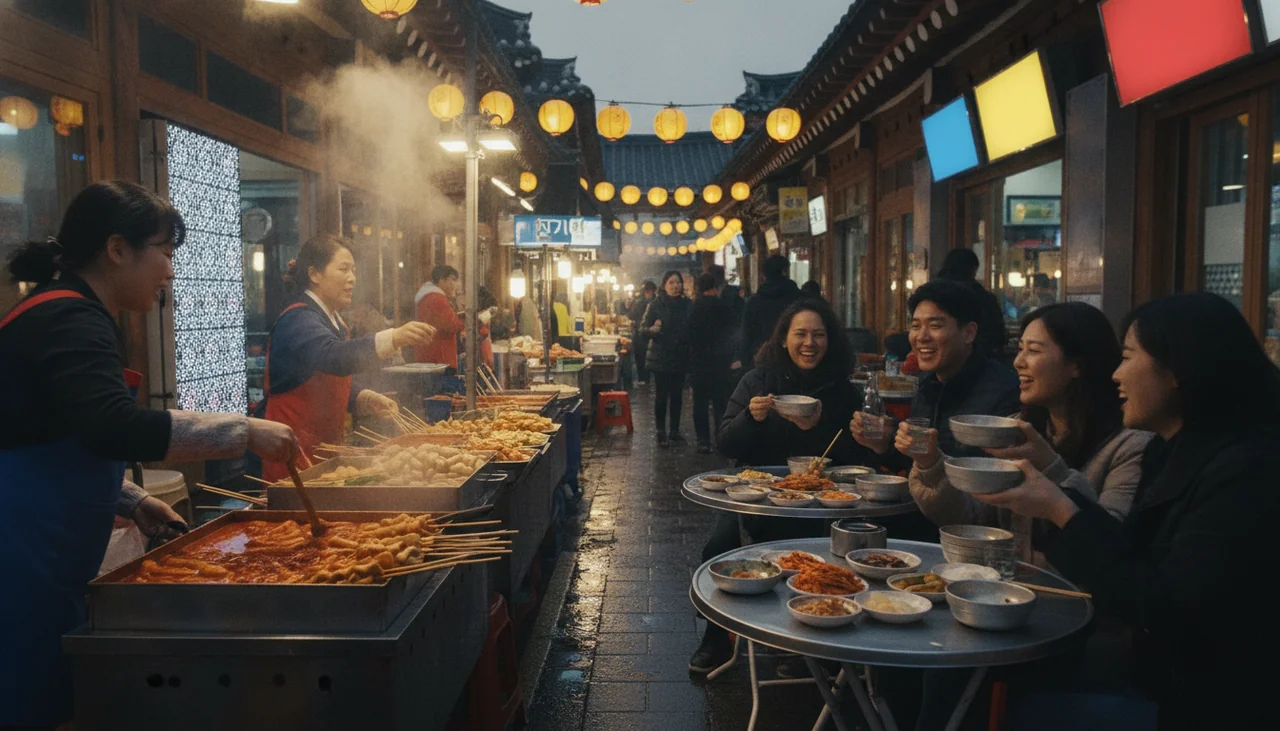
Beyond individual eateries, the entire infrastructure of Pangyo has been evolving to support its status as a premier destination. By 2026, visitors can experience the vibrant atmosphere of the shopping district, which was reborn as a market specializing in street food and restaurants by 2023, as reported on January 27, 2021. Furthermore, the MICE (Meetings, Incentives, Conferences, and Exhibitions) cluster in Jeongja, completed by 2024, has significantly bolstered Pangyo’s capacity to host international events, drawing even more visitors who seek high-quality dining options. The arrival of major international hotel brands like Hyatt Place, making its capital debut in June 2026, and the DoubleTree by Hilton Hotel, adjacent to Pangyo Techno Valley since July 5, 2018, further underscores the area’s transition into a significant bleisure hub, where excellent dining is an expected amenity.
What to Expect: A Blend of Tradition and Modernity
Dining in Pangyo offers a fascinating glimpse into Korea’s future, where traditional flavors meet modern efficiency and global influences. The restaurant landscape is incredibly varied, reflecting the international demographic of its tech workforce. You’ll find everything from authentic Korean comfort food – think hearty stews, rich BBQ, and comforting noodles – to a wide array of international cuisines, including Japanese, Italian, and various Asian fusion options. Many establishments boast sleek, contemporary designs, often incorporating minimalist aesthetics and efficient service, mirroring the high-tech ethos of the district.
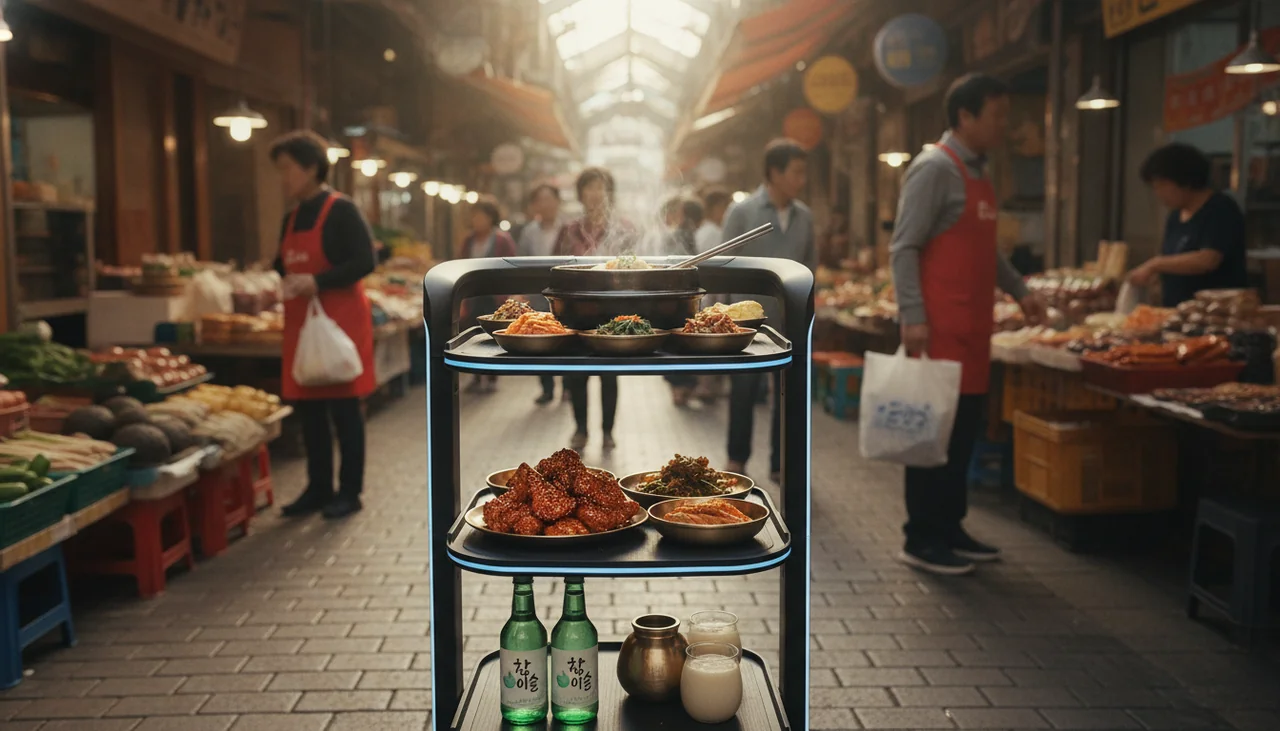
A distinguishing feature of Pangyo’s dining scene is the subtle integration of technology. As early as October 30, 2020, reports highlighted Pangyo Technovalley as a pioneer in the adoption of serving robots, accounting for over 90% of such robots in Korea at the time. By 2026, it’s not uncommon to encounter these robotic assistants in many dining venues, offering a glimpse into the future of hospitality. While not every eatery features a robot, the overall atmosphere often leans towards efficiency, innovation, and a keen awareness of global trends, ensuring a unique dining experience that caters to both local tastes and international palates. The blend of traditional recipes served in modern settings, sometimes with robotic assistance, is a common and memorable first impression for many travelers.
Signature Flavors and General Price Points
While specific restaurant names are not highlighted here, the general culinary offerings in Pangyo are diverse and satisfying. For those seeking authentic Korean flavors, expect to find excellent interpretations of classic dishes. Popular choices include rich kimchi jjigae (kimchi stew), savory bulgogi (marinated grilled beef), and various forms of gukbap (rice soup), perfect for a quick and hearty lunch. For a more communal experience, Korean BBQ restaurants are plentiful, offering high-quality meats to grill right at your table. Many establishments also serve modern takes on Korean street food, elevated for a sit-down dining experience.
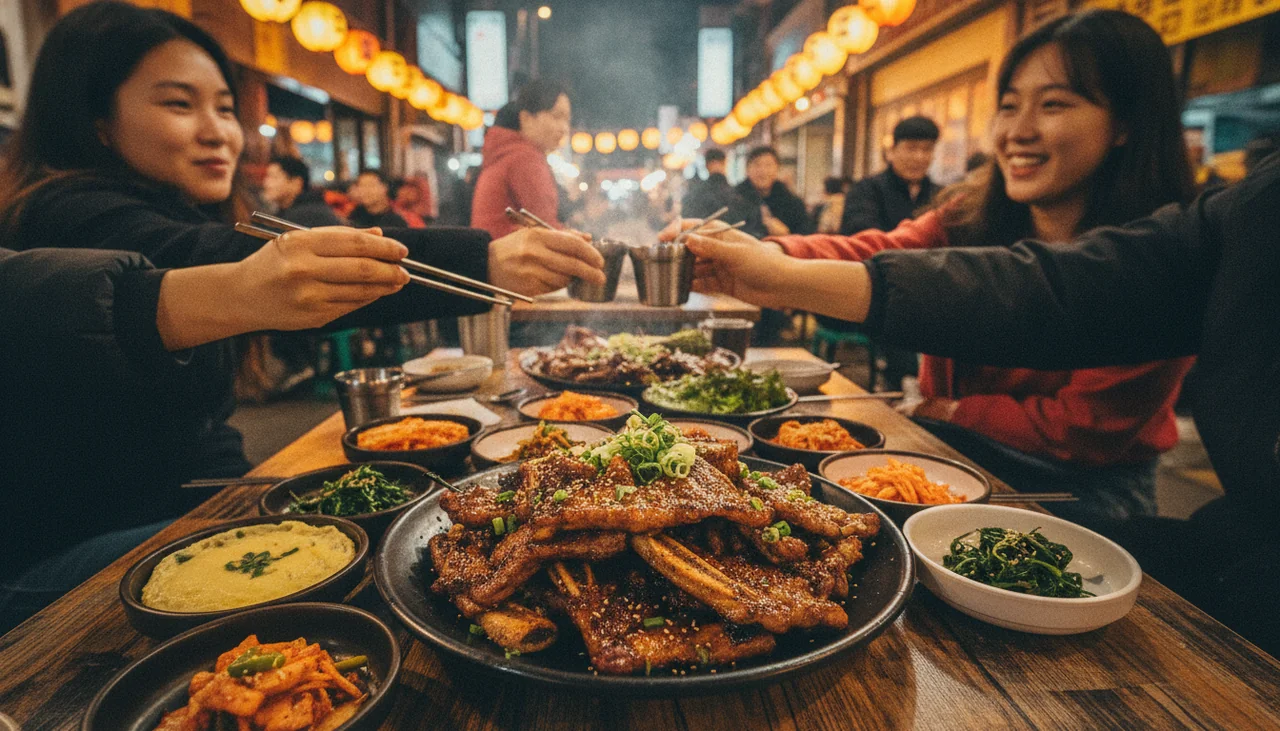
Price points in Pangyo are generally reflective of its status as a bustling tech hub, offering options for various budgets. For a satisfying lunch, travelers can expect to pay around 8,000 to 15,000 KRW for a single dish meal, such as a bowl of bibimbap or a set lunch special. Dinner, especially at more upscale Korean BBQ spots or international restaurants, typically ranges from 15,000 to 30,000 KRW or more per person, depending on the menu and drinks. There are also numerous cafes and casual eateries where lighter bites and coffee can be enjoyed for less, making it easy to find something delicious regardless of your budget. The value for the quality and variety of food available is generally considered excellent by many who frequent the area.
Practical Tips for Your Pangyo Culinary Journey
Navigating Pangyo’s dining scene is straightforward, but a few tips can enhance your experience.
Best Time to Visit: Weekdays during lunch (12:00 PM – 1:30 PM) are incredibly bustling, offering a lively atmosphere but also potential waits. If you prefer a slightly calmer experience, aim for earlier or later lunch hours. Evenings, particularly after 6:00 PM, see a vibrant after-work crowd, with restaurants and bars filling up as tech workers unwind. Weekends tend to be quieter, offering a more relaxed dining environment. How to Get There: Pangyo is exceptionally well-connected. The most convenient way to access the district is via Pangyo Station on the Shinbundang Line. This subway line provides quick and direct access from various parts of Seoul, making it an easy day trip or evening destination. Once at Pangyo Station, many dining areas, including the Sampyeong-dong commercial district, are within easy walking distance or a short bus ride. Rough Budget: For a full day of eating, including coffee and two meals, a budget of 30,000-60,000 KRW per person is a good estimate, allowing for a mix of casual and mid-range dining. If you plan for a more upscale dinner, adjust upwards accordingly. Nearby Spots to Combine: Beyond dining, Pangyo offers other attractions. Explore the Pangyo Technovalley itself to get a sense of Korea’s technological prowess. The aforementioned MICE cluster in Jeongja, completed by 2024, might host events or exhibitions worth attending. For shopping and leisure, the district also features modern shopping complexes that can be easily combined with a culinary outing. The presence of major hotels like the Hyatt Place (June 22, 2026) and DoubleTree by Hilton (July 5, 2018) means there are comfortable accommodations if you choose to extend your stay.
Pangyo’s Future as a Bleisure Hub
Pangyo’s transformation into a significant “bleisure” destination is undeniable in 2026. The integration of high-tech industries with a rapidly expanding and diverse culinary scene creates a unique appeal. As Travel And Tour World highlighted on June 22, 2026, with the capital debut of Hyatt Place, Pangyo is increasingly seen as Asia’s next major bleisure destination. This vision is supported by the continuous development of its commercial districts, the completion of large-scale facilities like the Jeongja MICE cluster, and the robust growth of its restaurant sector.
The district’s ability to offer state-of-the-art business facilities alongside a rich tapestry of dining options, from traditional Korean fare to global cuisines, ensures that visitors can seamlessly transition from work to leisure. The high standard of living and the presence of a dynamic, often international, community contribute to a sophisticated yet welcoming dining atmosphere. Honestly, Pangyo offers more than just meals; it provides an experience that encapsulates Korea’s forward-thinking spirit while celebrating its culinary heritage.
Quick Summary
Pangyo, Korea’s tech mecca, has evolved into a vibrant dining destination by 2026, offering a unique blend of traditional Korean and international cuisines. The district, particularly Sampyeong-dong, has seen significant restaurant growth, with a 59% surge reported in January 2023, establishing its culinary momentum. Visitors can expect modern dining environments, sometimes featuring serving robots, and a wide range of dishes from hearty stews to Korean BBQ. General meal prices typically range from 8,000-15,000 KRW for lunch and 15,000-30,000+ KRW for dinner. Pangyo Station (Shinbundang Line) provides easy access. The area’s development, including a MICE cluster completed by 2024 and major hotel openings like Hyatt Place in June 2026, solidifies its status as a key “bleisure” hub where business innovation meets diverse gastronomy.
Found this helpful? Bookmark us! ⭐