When you think of iconic Korean dishes that have transcended regional borders, Andong Jjimdak immediately comes to mind. This savory, slightly sweet, and wonderfully spicy braised chicken dish, originating from the city of Andong in North Gyeongsang Province, is more than just a meal; it’s a culinary ambassador for Korea. In 2026, its popularity continues to soar, cementing its place as a must-try for any food traveler exploring the peninsula. The dish’s growing fame is no accident, with significant efforts being made to promote regional Korean gastronomy on a national and international stage. For instance, Andong Downtown Market was selected as Gyeongbuk’s sole participant in Phase 2 of the K-Tourism Market Project, as reported by 아시아경제 on March 06, 2026, specifically highlighting areas like “Jjimdak Alley.”
The essence of Andong Jjimdak lies in its harmonious blend of tender chicken pieces, hearty vegetables like potatoes and carrots, and chewy glass noodles, all simmered in a rich, dark sauce. This sauce is typically made with soy sauce, garlic, ginger, and a touch of sweetness, often balanced with a kick of chili. What sets the Andong style apart, as noted in discussions surrounding the Korea-Japan summit held in Andong on May 19, 2026, is its unique flavor profile that appeals to a wide palate. President Lee Jae Myung’s home province was the setting for this diplomatic event, further underscoring the dish’s cultural significance. Unlike some other regional variations of jjimdak, the Andong version is celebrated for its distinct taste that has captivated diners.
The Heart of Andong’s Culinary Identity
Andong is not just any city; it’s a region deeply rooted in Korean heritage, often referred to as Korea’s “soju capital.” The Korean Food Promotion Institute launched the “K-Gourmet Traditional Liquor Belt” which includes a “Andong the Dining” itinerary, as detailed by the Korean Food Promotion Institute on September 25, 2025. This initiative allows visitors to delve into the local food culture, with Andong Jjimdak being a central pillar. The city’s commitment to its gastronomic roots is evident in its revitalization strategies, like the one proposed by Kwon Ki-chang, who advocated for the establishment of a Regional Food Promotion Center to further globalize Andong’s native cuisine, as reported by local news on April 28, 2026. This includes promoting dishes like Andong Jjimdak and Andong Soju.
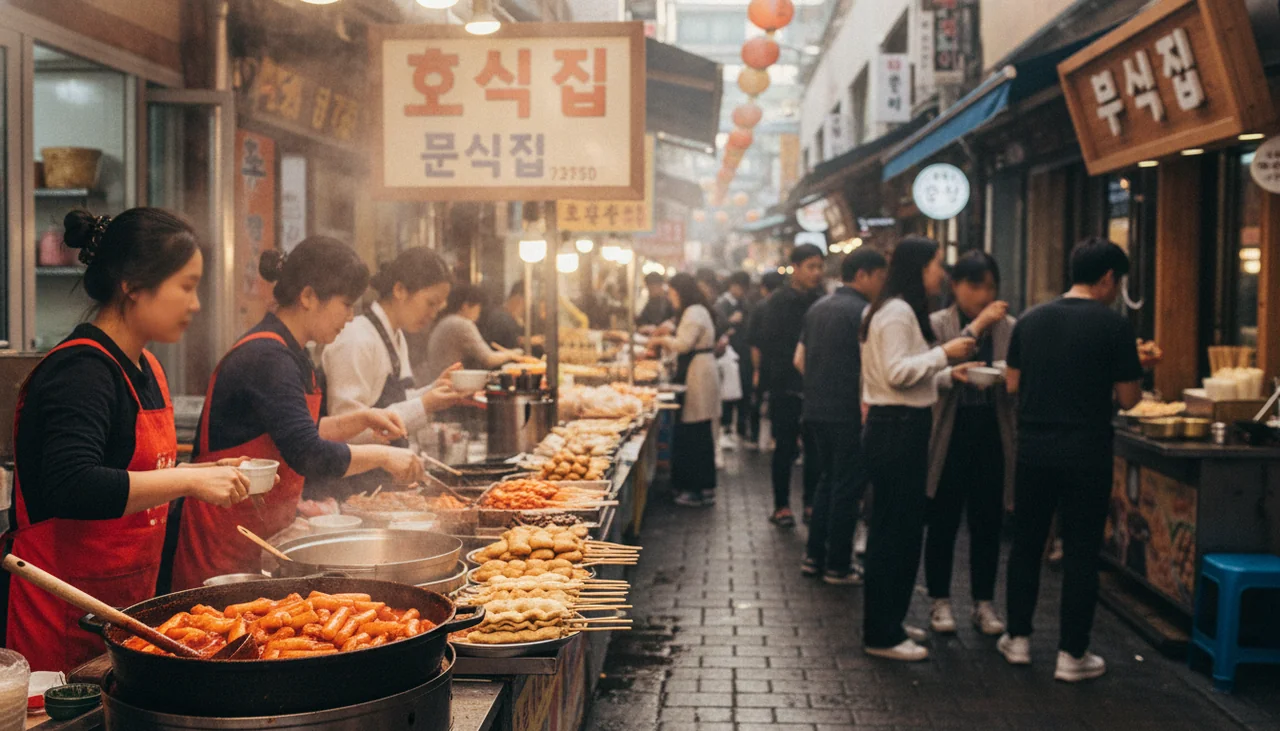
The culinary landscape of Andong is actively being shaped to welcome more visitors. The city’s strategy, as outlined on August 27, 2025, includes “K-Gourmet Harmony Strategy 4,” which leverages local specialties such as Andong Soju and Andong Jjimdak, the latter even being featured at the Korea-Japan Summit Dinner. This strategic push aims to integrate traditional gastronomy into broader tourism initiatives, making it easier for travelers to experience authentic flavors. The region is also looking to capitalize on the growing interest in Korean cuisine, with initiatives like the “K-Chicken Belt” launched in March 2026 by The Korea Times, targeting tourists and promoting regional specialties, which naturally includes Andong’s famous chicken dish.
Experiencing Andong Jjimdak: A Traveler’s Guide
While specific restaurants aren’t named here to maintain a general guide, the experience of enjoying Andong Jjimdak is widely reported and easily accessible. Many travelers find that the best way to savor this dish is in its hometown, Andong. This often involves visiting areas known for their Jjimdak offerings, such as the aforementioned Jjimdak Alley within Andong Downtown Market. The atmosphere in these culinary hubs is typically bustling, filled with the enticing aromas of simmering sauces and the chatter of diners.
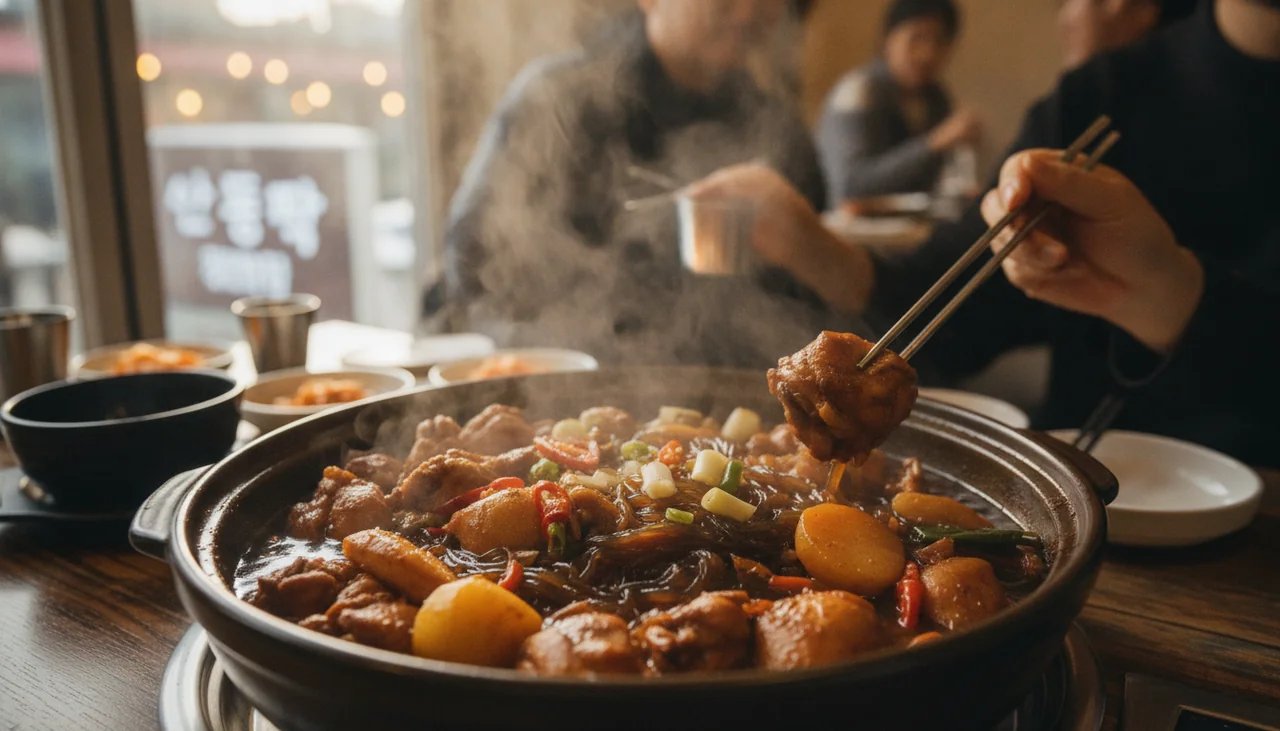
The typical dining experience involves a large, communal platter of Andong Jjimdak, perfect for sharing among friends or family. It’s common to see locals and visitors alike gathered around tables, dipping rice into the flavorful sauce and enjoying the tender chicken and vegetables. The price range for a generous portion of Andong Jjimdak is generally reasonable, often falling between 8,000 to 15,000 KRW per person when shared, making it an affordable yet incredibly satisfying meal. This accessibility is a key factor in its enduring popularity.
Beyond the Plate: Andong’s Cultural Tapestry
Andong’s appeal extends far beyond its most famous dish. The city is also renowned for its cultural heritage, including traditional Korean houses (Hanok) and the vibrant Andong International Mask Dance Festival. Governor Lee Cheol-woo of North Gyeongsang Province has emphasized the importance of integrating these cultural elements with local food, such as Andong Jjimdak, Galbi, and local specialties, as he mentioned in an interview on May 29, 2025. This holistic approach to tourism means that a trip to Andong for Jjimdak can easily be combined with cultural explorations.
For travelers planning a visit, the best times to experience Andong are generally during the spring and autumn months, when the weather is pleasant for exploring the city and its surroundings. Getting to Andong is feasible via KTX high-speed train from major cities like Seoul or Busan, with the journey taking approximately two to three hours. From Andong Station, local buses or taxis can take you to the central market areas where the best Jjimdak experiences are found. Combining a visit to Andong with other nearby attractions in North Gyeongsang Province can make for a comprehensive and delicious Korean adventure. For instance, exploring the traditional heritage sites and enjoying the local cuisine offers a rich cultural immersion.
The Global Reach of Korean Cuisine
The widespread recognition of Andong Jjimdak is a testament to the growing global interest in Korean food. As initiatives like the “K-Chicken Belt” and the “K-Gourmet Traditional Liquor Belt” gain traction, dishes like Jjimdak are finding their way onto more international menus and travel itineraries. Stripes Korea, in its March 20, 2026 feature on top destinations, highlighted the increasing demand for authentic Korean culinary experiences. The dish’s robust flavors and satisfying nature make it an approachable entry point for those new to Korean cuisine, while its depth of flavor continues to delight seasoned enthusiasts.
Honestly, the appeal of Andong Jjimdak lies in its comforting homestyle preparation, combined with a sophisticated blend of spices and seasonings. It’s a dish that feels both familiar and exotic, offering a taste of authentic Korea. What stands out is how a single dish can represent the culinary heritage and pride of a region, drawing international attention and boosting local economies. The ongoing efforts to promote regional foods with national recognition, as seen in the selection of Andong Downtown Market for the K-Tourism Market Project, ensure that Andong Jjimdak will remain a celebrated part of Korea’s gastronomic landscape for years to come.
Quick Summary
Andong Jjimdak, a signature braised chicken dish from Andong, North Gyeongsang Province, is a highlight of Korean cuisine in 2026. Its popularity is bolstered by national and international efforts to promote regional Korean food, including its selection for the K-Tourism Market Project (아시아경제, March 06, 2026) and its feature at the Korea-Japan Summit Dinner (August 27, 2025). The dish features tender chicken, vegetables, and glass noodles in a savory-spicy soy-based sauce. Andong itself is a hub of cultural heritage, promoting a blend of traditional gastronomy and tourism, supported by initiatives like the “K-Gourmet Traditional Liquor Belt” (Korean Food Promotion Institute, September 25, 2025). Experiencing Andong Jjimdak typically involves communal dining in bustling market areas, with generous portions generally priced between 8,000-15,000 KRW. The dish’s growing global recognition is part of a broader trend promoting Korean culinary diversity, making it an essential taste for any traveler.
Found this helpful? Bookmark us! ⭐