Stepping into Gunsan’s old port area feels like a gentle rewind. Forget the high-tech gloss of Seoul; here, time seems to have settled into a comfortable, nostalgic rhythm. The air, often carrying the faint scent of the sea, mingles with the inviting aromas of traditional Korean cooking, creating an atmosphere that’s both charmingly vintage and undeniably delicious. For travelers seeking an authentic taste of Korea’s past, the Gunsan retro port food street offers a unique culinary journey, echoing a bygone era.
A Port Town’s Enduring Charm
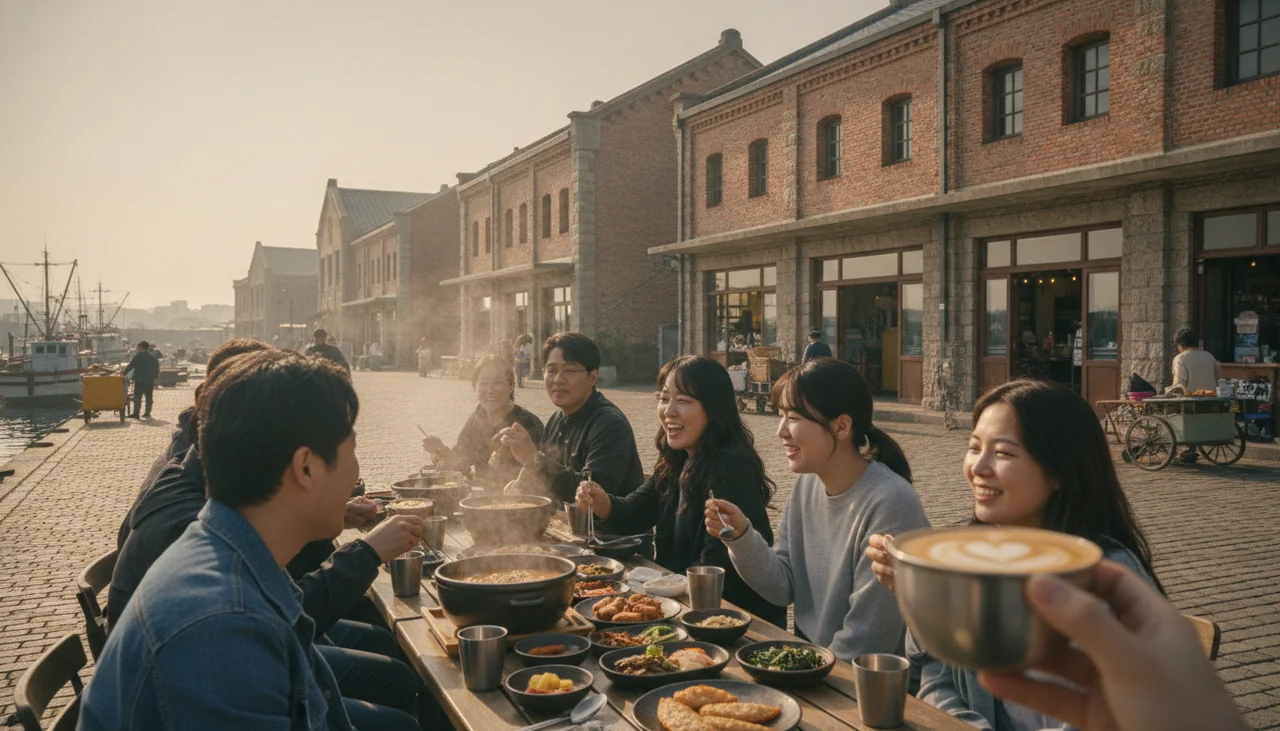
Gunsan, a port city in North Jeolla Province, has a rich history deeply intertwined with its maritime trade. This legacy is palpable in its architecture and streetscapes, particularly around the old port. The area, once a bustling hub of commerce, now invites visitors to explore its preserved buildings and soak in the retro ambiance. As reported by Monthly Korea on December 21, 2021, this coastal city offers a distinct flavor of nostalgia that resonates with many. The appeal here isn’t about chasing the latest trends; it’s about savoring the enduring spirit of a working port town that has gracefully embraced its past. It’s a place where the echoes of history are not just seen but tasted.
The Heart of the Retro Food Scene
While specific restaurant names aren’t the focus, the experience of dining along Gunsan’s retro port food street is characterized by a collection of eateries that embody the region’s culinary heritage. Many travelers find that the charm lies in the unpretentious nature of these establishments. You’ll discover a range of local specialties, often served in settings that reflect the area’s historical period. The general price range for a hearty meal here is typically between 8,000 and 15,000 KRW, making it an accessible and budget-friendly destination for food lovers. This affordability allows for sampling multiple dishes, a common and enjoyable practice for those exploring the street.
The food itself is a testament to North Jeolla Province’s reputation as a gastronomic heartland. Expect well-prepared, comforting dishes that have stood the test of time. The emphasis is on fresh, local ingredients, prepared with traditional techniques. This is where you can truly appreciate the depth of Korean home-style cooking, often in a no-frills environment that prioritizes flavor and authenticity above all else. It’s this commitment to genuine taste that draws people in, year after year.
Signature Flavors of the Port
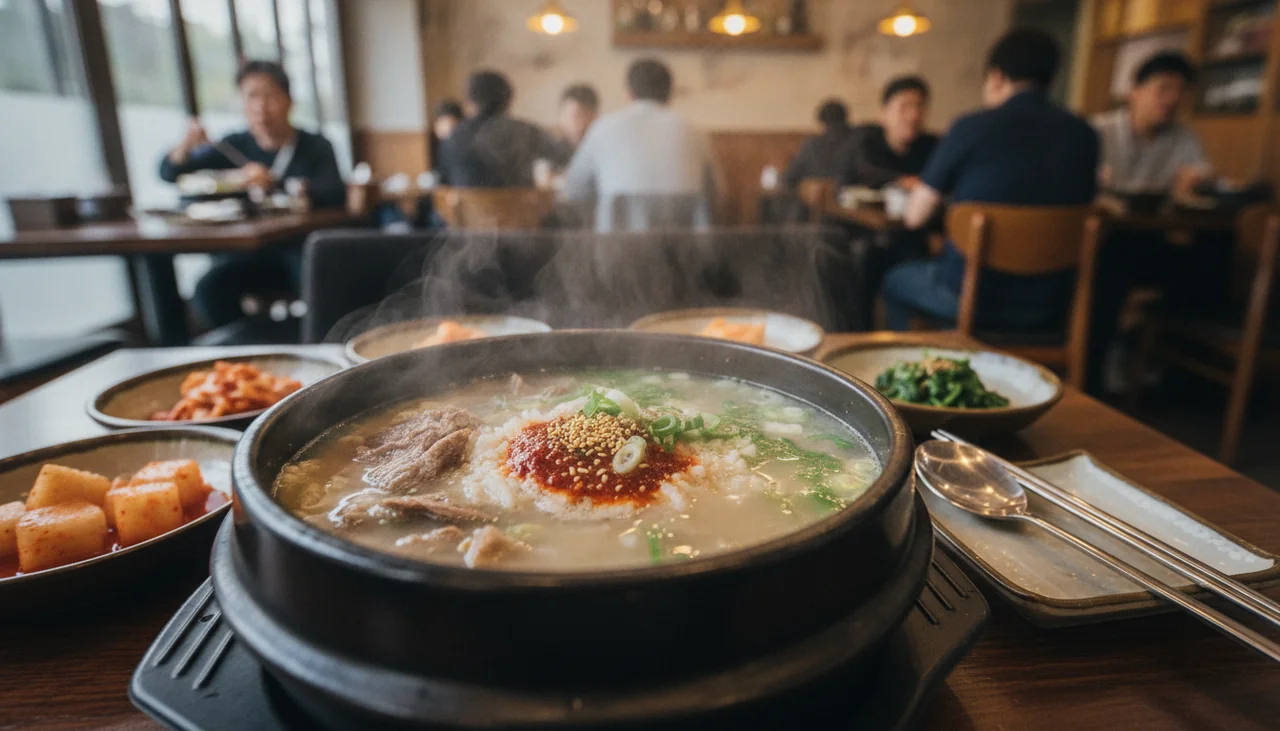
When exploring the Gunsan retro port food street, certain dishes are often highlighted by visitors and locals alike. One such staple is Gukbap, a hearty rice soup that is a quintessential Korean comfort food. In Gunsan, you might find variations featuring local seafood or pork, served steaming hot with an array of banchan (side dishes). The rich broth and tender ingredients make it a perfect meal, especially on a cooler day.
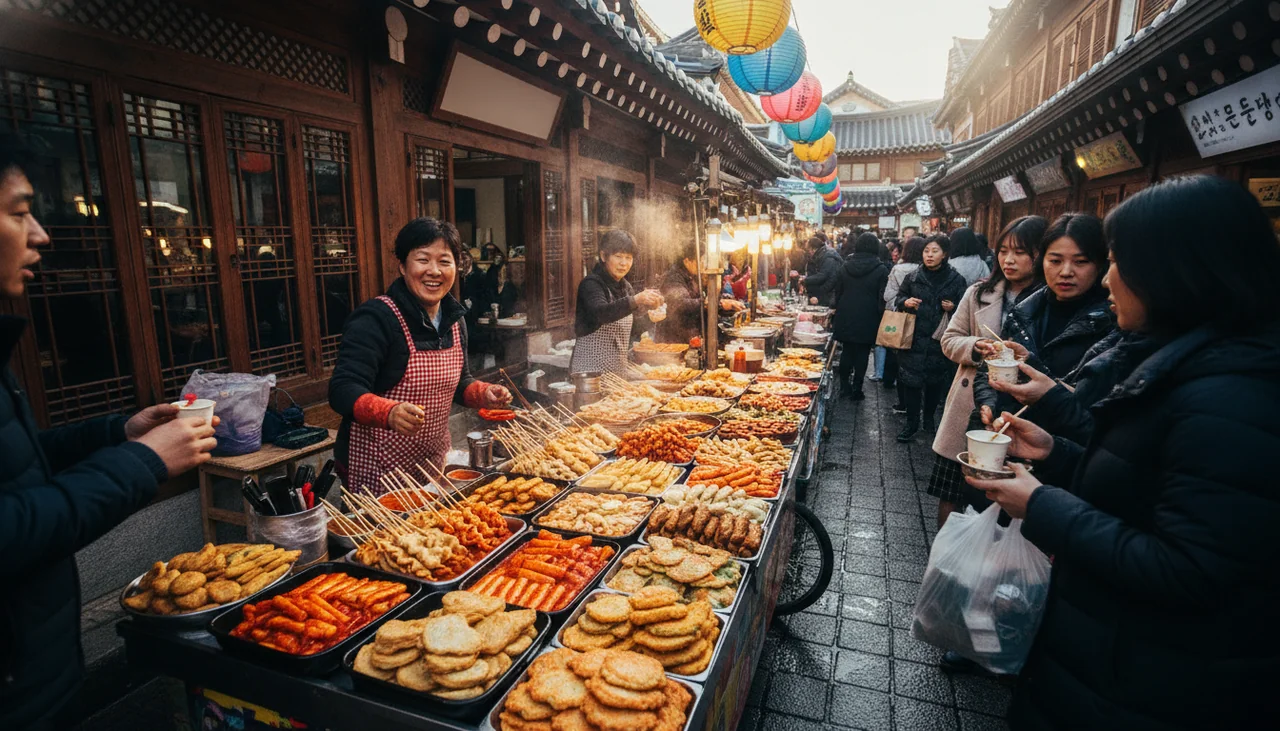
Another must-try is Tteokbokki, the beloved spicy rice cakes. While available nationwide, the port town versions often have a distinct local flair, perhaps a slightly different spice balance or the inclusion of regional ingredients. It’s a dish that perfectly encapsulates the vibrant street food culture. For those with a penchant for seafood, the proximity to the coast means that fresh catches are often incorporated into various dishes. Grilled fish, seafood stews, and seasoned raw fish preparations can all be found, offering a direct taste of the ocean.
Additionally, keep an eye out for regional variations of Jeon (savory pancakes). These can range from classic kimchi jeon to more elaborate versions featuring a medley of vegetables and seafood. The crispy texture and savory filling make them an excellent accompaniment to any meal or a satisfying snack on their own. The overall culinary experience on this street is one of simple pleasures, executed with skill and a deep respect for tradition.
Navigating the Retro Port: Practical Tips
To best experience the Gunsan retro port food street, planning your visit is key. The area is most vibrant during daylight hours and into the early evening. While many eateries operate daily, it’s advisable to check local listings or inquire upon arrival, as opening hours can vary. The closest major transport links would typically involve arriving in Gunsan city and then taking a local bus or taxi to the port area. For those driving, parking can be found in designated areas near the waterfront.
A rough budget for a day of culinary exploration would be around 30,000 to 50,000 KRW per person, allowing for a few substantial meals and some snacks. This is a conservative estimate, as many dishes are quite filling and affordable. The best time to visit for pleasant weather and a lively atmosphere is typically spring or autumn. Summer can be hot and humid, while winter can be quite cold, though a steaming bowl of gukbap is always a welcome respite.
When you’re exploring, don’t hesitate to wander. The charm of the retro port food street is in its unexpected discoveries. Look for places that are busy with locals; this is often a good indicator of quality and authenticity. Engaging with vendors, even with limited Korean, can be a rewarding experience, often leading to recommendations for their most popular dishes.
Beyond the Food: Exploring the Surroundings
The Gunsan retro port food street is not just about eating; it’s an opportunity to immerse yourself in a unique historical and cultural landscape. The area is dotted with well-preserved buildings from the Japanese colonial period, offering a glimpse into a significant chapter of Korean history. Many of these structures have been repurposed into museums, art galleries, or charming cafes, providing a rich tapestry of experiences.
One notable aspect of the area’s historical significance is its connection to Korea’s modern history. The Gunsan Modern History Museum is a valuable resource for understanding the port’s past and its role in the nation’s development. Nearby, the Jinpo Maritime Theme Park offers insights into naval history and provides scenic views of the bay.
For those interested in film and drama, the retro aesthetic of Gunsan has made it a popular filming location. While specific titles might not be readily available without deeper research, the ambiance itself often evokes a sense of cinematic nostalgia. Travelers often report feeling as if they’ve stepped onto a movie set, surrounded by the weathered facades and the palpable sense of history. Combining a food exploration with visits to these historical sites creates a well-rounded and enriching travel experience. The juxtaposition of delicious, traditional food against the backdrop of a historically significant port town is what makes Gunsan’s retro food street so compelling. It’s a place where every bite tells a story, and every corner holds a piece of the past.
A Taste of Time’s Embrace
Honestly, the appeal of Gunsan’s retro port food street lies in its unhurried pace and its unwavering commitment to authentic flavors. In a world that constantly races forward, finding places that cherish their heritage is increasingly rare and valuable. It’s a destination that rewards the curious traveler with genuine culinary experiences and a deep sense of place. The food here isn’t just sustenance; it’s a connection to the generations who have lived, worked, and dined in this historic port.
What stands out is the harmonious blend of historical architecture and the vibrant, living tradition of Korean cuisine. It’s a sensory experience that engages not just the taste buds but also the eyes and the imagination. The simple act of enjoying a bowl of gukbap or a plate of jeon becomes a moment of profound connection to Korea’s past. For any traveler looking to delve beyond the surface and truly understand the soul of a place, Gunsan’s retro port food street is an essential stop. It’s a reminder that some of the most memorable journeys are those that take us back in time.
Quick Summary
Gunsan’s retro port food street offers a nostalgic culinary adventure, showcasing North Jeolla Province’s rich food heritage in a historically preserved port town. Travelers can expect authentic local dishes like Gukbap and Tteokbokki at affordable prices, typically ranging from 8,000 to 15,000 KRW per meal. The best time to visit for a pleasant atmosphere is spring or autumn. Beyond the food, the area boasts historical architecture and museums, making it an ideal destination for those seeking a blend of culture and cuisine. A rough daily budget of 30,000 to 50,000 KRW per person is recommended for a fulfilling food exploration.
Key Takeaways
Authentic Local Cuisine: Savor traditional dishes like Gukbap, Tteokbokki, and regional Jeon. Retro Ambiance: Immerse yourself in the historical charm of the old port town. Affordable Dining: Enjoy hearty meals within a price range of 8,000-15,000 KRW. Historical Exploration: Combine culinary delights with visits to nearby museums and heritage sites. Best Visit Times: Spring and autumn offer the most pleasant weather and atmosphere. Budget-Friendly: Plan for approximately 30,000-50,000 KRW per person for a day of eating.
Found this helpful? Bookmark us! ⭐