Gwangju, often lauded as the culinary heart of the southwestern Jeolla (Namdo) region, offers a food experience deeply rooted in tradition and abundant natural resources. This vibrant city, now part of the unified Jeonnam-Gwangju Special City since the launch of the 2026 Yeosu World Island Expo on September 5, 2026 (according to Reporter Lee Hak-cheo on April 29, 2026), is more than just a destination; it’s a gastronomic journey. Many travelers find Gwangju’s food culture to be a revelation, a place where every dish tells a story of rich ingredients, meticulous preparation, and generous hospitality. It’s also known as the hometown of BTS star J-Hope, as highlighted by Travel and Leisure Asia on October 28, 2024, adding another layer of contemporary appeal to its traditional charm. If you’re looking to dive deep into authentic Korean flavors in 2026, Gwangju is an essential stop.
The Heart of Namdo Cuisine: A Legacy of Flavor
The Namdo region, encompassing Gwangju and the surrounding Jeollanam-do province, is renowned throughout Korea for its exceptional cuisine. It’s often said that Namdo food is characterized by its richness, depth of flavor, and the sheer abundance of its ingredients. This reputation stems from the fertile plains, mountains, and proximity to the sea, providing an unparalleled bounty of fresh produce, seafood, and meat. Locals tend to take immense pride in their culinary heritage, and this is evident in the vibrant food scene. In 2026, the “Jeonnam-Gwangju Culture and Tourism Guide Unity Festival,” held at the Muan Government Complex on August 29, 2026, specifically aimed to promote the delicious food and people of the Namdo region to visitors, underscoring the ongoing emphasis on its gastronomic appeal.
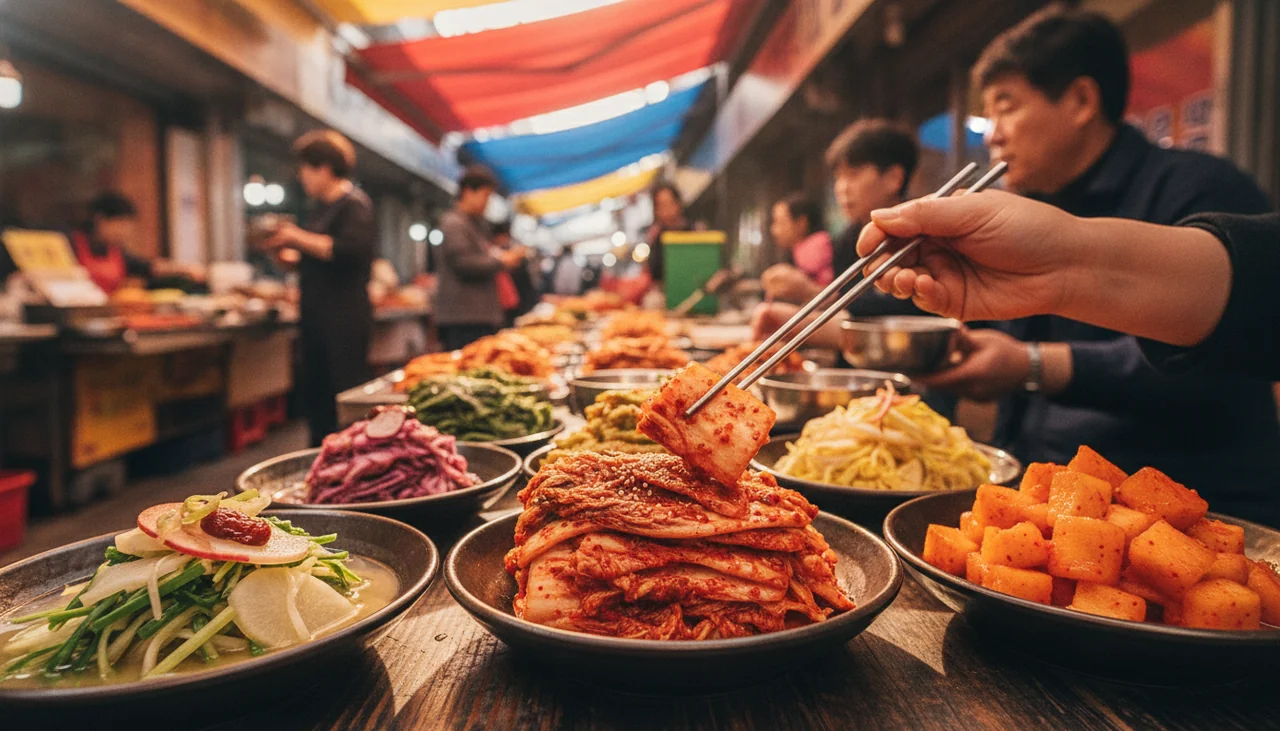
A common first impression for visitors is the sheer generosity of the banchan (side dishes) that accompany almost every meal. Unlike other regions where banchan might be sparse, in Gwangju, your table will likely be laden with a colorful array of seasonal vegetables, fermented delights, and savory preparations, all included with your main dish. A typical meal, whether it’s a hearty stew or a grilled specialty, often comes with anywhere from 8 to 15 different side dishes. This isn’t just about quantity; it’s about showcasing the diverse flavors and culinary skill of the region. Expect a general price range for a satisfying meal in a local eatery to be around 8,000-15,000 KRW per person, varying with the main dish chosen.
Gwangju’s Kimchi Legacy: The Capital of Fermented Flavor
When it comes to kimchi, Gwangju holds a special, almost legendary status. The BBC famously posed the question, “Is this the capital of kimchi?” on February 5, 2020, a sentiment that resonates strongly with many Koreans. While kimchi is a staple across the country, Gwangju’s rendition is distinct. The kimchi from this region is celebrated for its deep fermentation, robust flavors, and often a more generous use of briny seafood elements like salted anchovies or shrimp paste, which contribute to a complex umami profile.
Travelers will find that Gwangju offers a wide variety of kimchi beyond the ubiquitous baechu kimchi (napa cabbage kimchi). You might encounter gat kimchi (mustard leaf kimchi) with its unique pungent kick, yeolmu kimchi (young radish kimchi) for a refreshing crunch, or even seasonal variations like nabak kimchi (water kimchi). Experiencing Gwangju’s kimchi culture isn’t just about eating it; it’s about understanding a fundamental part of Korean identity. While there aren’t specific named kimchi museums in the news context, many local markets and food events, like the direct sales market held in Suwan District starting March 27, 2026 (Maeil Business Newspaper, March 25, 2026), provide excellent opportunities to sample and purchase authentic regional kimchi, allowing you to experience the local food culture firsthand.
Beyond Kimchi: Signature Dishes to Savor
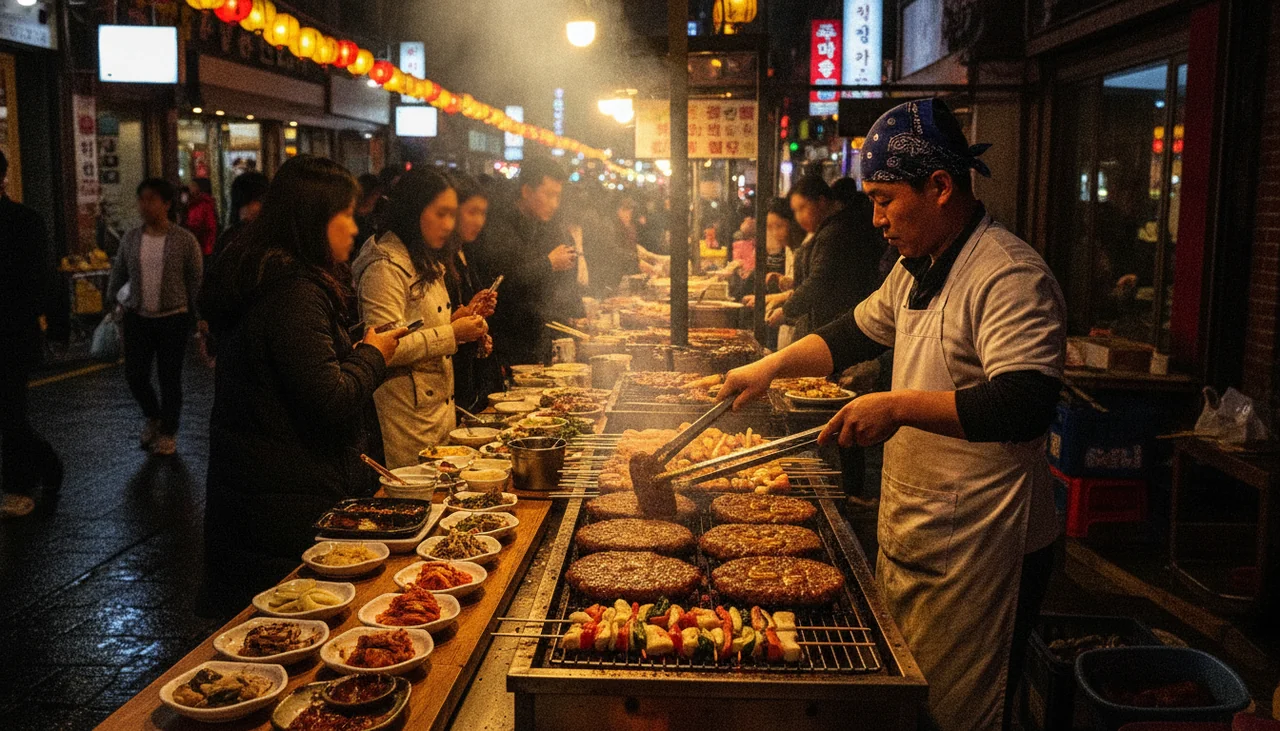
While kimchi is foundational, Gwangju’s culinary landscape extends far beyond it, boasting a range of signature dishes that are a must-try for any food enthusiast. One of the most famous is tteokgalbi, succulent grilled patties made from minced beef or pork, often served with bone. Unlike typical grilled meats, tteokgalbi offers a softer texture and a deeply savory, slightly sweet marinade that is incredibly addictive. It’s a dish often associated with celebratory meals and family gatherings, reflecting the region’s generosity.
Another local favorite is bori bap, a wholesome barley rice dish often served with an array of fresh vegetables, seasoned greens, and a dollop of gochujang (chili paste), all mixed together to create a vibrant, healthy meal. It’s a simple yet profoundly satisfying dish that highlights the region’s agricultural bounty. For those who enjoy seafood, hoe muchim, a spicy raw fish salad, is a refreshing option, showcasing the fresh catches from the nearby coast. Additionally, the Gwangju-style Baekban, a traditional Korean set meal, is an experience in itself, featuring a main dish alongside a vast spread of banchan, reflecting the true spirit of Namdo hospitality. The city’s commitment to showcasing its diverse food offerings is evident in initiatives like the “dining culture and K-food” programs scheduled to begin in July 2026, as reported by K-Culture Dive AI News on June 8, 2026. Keep an eye out for local events like the “GWANGJU TOECHON TOMATO FESTIVAL,” which kicked off on June 19, 2026, celebrating local produce and culinary traditions.
Experiencing Gwangju’s Culinary Scene: Where to Eat
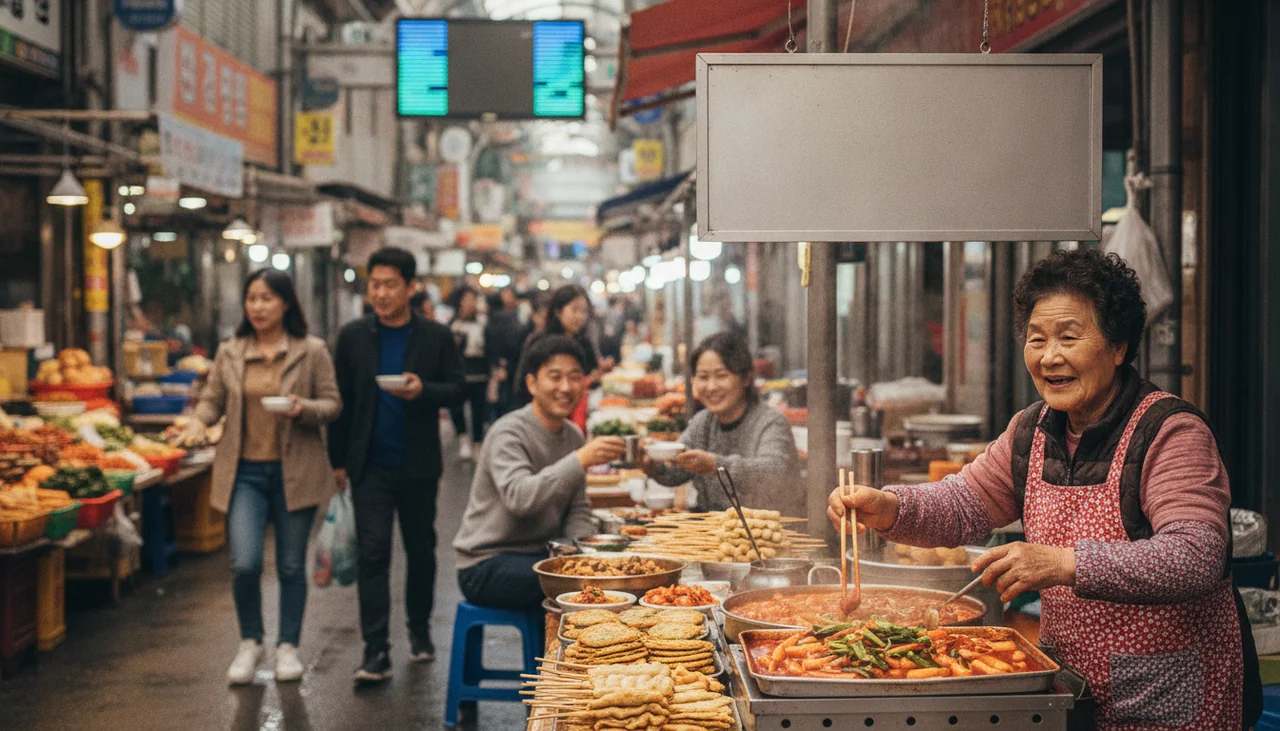
To truly experience Gwangju’s food culture, one must venture into its local markets and traditional dining areas. While specific restaurant names aren’t highlighted in public information, the general approach is to seek out bustling areas where locals gather. These are often found around key landmarks or in older, more established neighborhoods. Traditional markets, much like the direct sales market that opened in Suwan District on March 27, 2026 (Maeil Business Newspaper, March 25, 2026), are excellent places to not only sample street food and local snacks but also to observe the ingredients that form the backbone of Gwangju cuisine. Here, you can find fresh produce, artisanal kimchi, and a variety of prepared foods.
For a more sit-down experience, look for eateries specializing in baekban or tteokgalbi. These places often have a welcoming, homey atmosphere, and the staff are typically eager to share the flavors of their region. It’s common to see multi-generational families dining together, a testament to the enduring appeal of these traditional dishes. What stands out is the deep respect for ingredients and the art of fermentation that defines so much of Gwangju’s cooking. The dining experience itself is often a communal affair, with dishes designed to be shared and savored slowly. Expect to spend anywhere from 10,000-25,000 KRW per person for a more elaborate meal, especially for specialties like tteokgalbi.
Practical Tips for Your Gwangju Food Journey in 2026
Planning your trip to Gwangju requires a few practical considerations to maximize your culinary adventure.
Best Time to Visit: Spring (April-May) and autumn (September-October) are generally considered the best times to visit Gwangju. The weather is pleasant, ideal for exploring, and you might catch local festivals celebrating seasonal produce or cultural events. The “GWANGJU TOECHON TOMATO FESTIVAL” in June 2026 (K-Culture Dive AI News, June 8, 2026) is a good example of a summer event focused on local food.
How to Get There: Gwangju is well-connected by bus and KTX train. The Gwangju U-Square Bus Terminal is a major transportation hub, and it even serves as a departure point for city tours to other areas, as highlighted by Gwangyang City’s announcement on April 13, 2026, regarding its city tour reservations. From Seoul, the KTX offers a comfortable and efficient journey, taking approximately 2-2.5 hours. Once in Gwangju, the city’s subway system and extensive bus network make it easy to navigate to various food districts and attractions.
Rough Budget: For food, a daily budget of 30,000-50,000 KRW per person should comfortably cover three meals, including some street food snacks. Accommodation varies greatly, but you can find guesthouses and hotels ranging from 50,000-150,000 KRW per night.
Nearby Spots to Combine: Gwangju itself offers a rich blend of history and culture. You can explore the 5.18 Memorial Park, dedicated to the Gwangju Uprising, or visit the Asia Culture Center for art and performances. For those interested in pop culture, simply being in J-Hope’s hometown (Travel and Leisure Asia, Oct 28, 2024) might be a draw. The city also serves as an excellent base for exploring the wider Namdo region. Consider combining your food trip with a visit to nearby Damyang for its famous bamboo forests or the picturesque Boseong green tea fields. The “unified Jeonnam-Gwangju Special City” also makes access to events like the 2026 Yeosu World Island Expo (September 5, 2026) more streamlined, offering a broader regional experience.
Quick Summary
Gwangju in 2026 is a culinary destination par excellence, celebrated as the heart of Namdo cuisine. Its food culture is defined by rich flavors, generous servings of banchan, and a deep-seated pride in traditional cooking. From its renowned status as a “kimchi capital” (BBC, 2020) to its famous tteokgalbi and wholesome bori bap, every meal is an experience. The city, part of the unified Jeonnam-Gwangju Special City, continues to promote its gastronomic appeal through events like the “Jeonnam-Gwangju Culture and Tourism Guide Unity Festival” (August 29, 2026) and the “GWANGJU TOECHON TOMATO FESTIVAL” (June 19, 2026). Practical tips for visiting include aiming for spring or autumn, utilizing Gwangju U-Square for transport, budgeting around 30,000-50,000 KRW daily for food, and combining your trip with nearby cultural and natural attractions.
Found this helpful? Bookmark us! ⭐