Stepping into Gyeongju is like turning the pages of a living history book. This city, often referred to as “the museum without walls,” served as the ancient capital of the Silla Kingdom for nearly a millennium. While its historical sites, from royal tombs to ancient observatories, draw countless visitors, there’s a vibrant, contemporary pulse that beats strongly in areas like Hwangni-dan-gil. This charming street, nestled within the historical fabric of a city that was the heart of the Silla Kingdom for nearly 1,000 years, offers a unique blend of old and new, making it a must-visit destination in 2026 for anyone seeking both cultural immersion and modern culinary delights.
For many travelers, the allure of Gyeongju lies in its ability to transport you back in time, yet Hwangni-dan-gil demonstrates how seamlessly tradition and trend can coexist. What stands out here is the way traditional hanok (Korean traditional house) architecture has been thoughtfully repurposed, transforming historical structures into chic cafes, trendy restaurants, and boutique shops. It’s an area where the past is not merely preserved but beautifully reinterpreted for the present, creating an ambiance that is both nostalgic and refreshingly contemporary.
Hwangni-dan-gil’s Unique Atmosphere: A Bridge Between Eras
The moment you arrive in Hwangni-dan-gil, a common first impression is the striking visual harmony between the traditional tiled roofs and modern storefronts. Many of the establishments here have retained the classic hanok exterior, offering a glimpse into Korea’s architectural heritage, while their interiors boast stylish, contemporary designs. This thoughtful blend creates an inviting atmosphere that encourages exploration. During the day, the street buzzes with people enjoying coffee and brunch, and as evening approaches, the soft glow from the cafes and restaurants creates a particularly enchanting scene. Locals and travelers alike tend to gravitate here for its relaxed vibe and photogenic spots. The street isn’t just a place to eat and drink; it’s an experience in itself, offering a chance to stroll and soak in the unique fusion of old-world charm and modern sophistication.
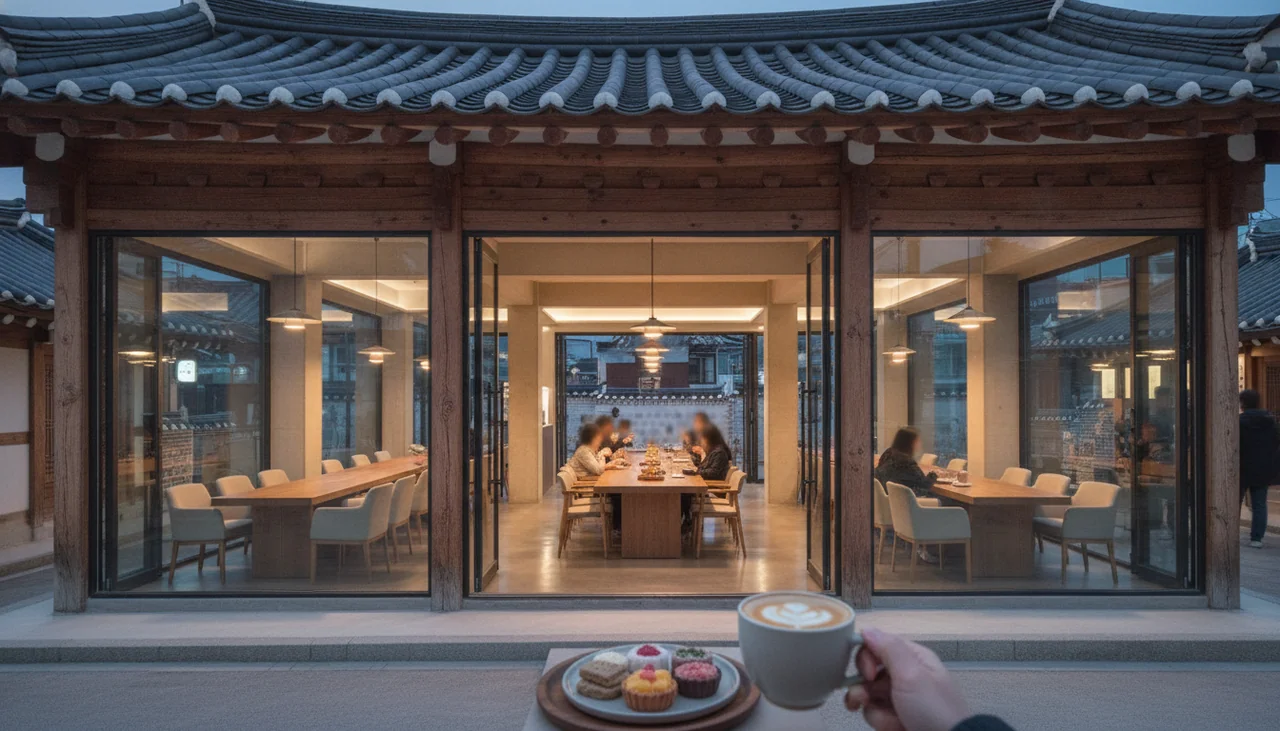
The narrow lanes of Hwangni-dan-gil invite leisurely walks, allowing visitors to discover hidden gems around every corner. It’s often said that this area perfectly encapsulates Gyeongju’s spirit: deeply rooted in history, yet constantly evolving. The carefully preserved traditional elements, combined with the innovative businesses, make it a fascinating place to spend several hours, transitioning from daytime explorations to an enjoyable evening out.
Culinary Delights: Savoring Gyeongju’s Flavors
When it comes to dining, Hwangni-dan-gil presents a diverse culinary landscape that caters to a wide array of tastes. While specific restaurants are not named, the area is known for offering everything from reinterpretations of classic Korean dishes to international cuisine and modern fusion options. Many establishments focus on using fresh, local ingredients, providing a taste of the region’s produce. Travelers can expect main dishes at restaurants to range generally from 10,000 to 25,000 KRW, offering a spectrum of casual to more upscale dining experiences.

One might find traditional Korean meals served with a modern twist, or discover eateries specializing in contemporary Western or Asian fusion fare. The emphasis across many of these dining spots is on creating a memorable experience, not just a meal. The ambiance often plays a significant role, with beautifully decorated spaces that enhance the dining pleasure. Whether you’re craving a hearty Korean stew, a delicate pasta dish, or a unique fusion creation, the culinary offerings here are designed to satisfy. While Gyeongju offers its unique historical charm, it’s worth noting that other regions also present distinct culinary experiences; for instance, Busan’s Yeongdo Island was highlighted by Aju Press on March 30, 2026, for its delightful palate with a taste of the sea, showcasing Korea’s diverse food landscape.
Cafe Culture: A Modern Oasis in an Ancient City
Hwangni-dan-gil is arguably most famous for its thriving cafe scene. The street is dotted with an impressive number of cafes, each with its own distinct personality and aesthetic. You’ll find traditional Korean tea houses offering classic brews alongside modern coffee shops serving up artisanal lattes and specialty beverages. Many cafes also feature a delectable selection of desserts, from intricate cakes and pastries to unique Korean-inspired sweets. A coffee or dessert at a cafe might typically be around 5,000 to 8,000 KRW.
The appeal of these cafes extends beyond their menus. They often serve as cultural spaces, perfect for relaxing, reading, or simply people-watching. The interiors are frequently designed with great attention to detail, ranging from minimalist modern to cozy, rustic styles. Many feature outdoor seating or charming courtyards, providing a tranquil escape from the bustling street. Whether you’re seeking a quiet spot for introspection or a lively venue to catch up with friends, Hwangni-dan-gil’s cafes offer an abundance of choices. It’s a place where you can comfortably spend an afternoon, enjoying a warm drink and soaking in the unique atmosphere that only Gyeongju can offer.
Planning Your Gyeongju Night Food Tour & Day Trip
Hwangni-dan-gil is easily accessible and makes for a fantastic addition to any Gyeongju itinerary. Here’s some practical guidance to make your visit smooth and enjoyable in 2026.
Best Time to Visit: While Hwangni-dan-gil is charming throughout the day, the evening truly brings out its magic, especially for dining. The soft lighting creates a romantic and inviting atmosphere, perfect for a “night food tour” experience. Visiting on a weekday evening will generally mean fewer crowds compared to weekends, allowing for a more relaxed exploration. For cafes, a late afternoon visit that transitions into dinner is ideal.
How to Get There: Gyeongju Station is the nearest major train station. From there, Hwangni-dan-gil is just a short taxi ride (around 5-10 minutes) or a pleasant walk (about 15-20 minutes). Local buses also serve the area, with several stops conveniently located nearby. If you’re arriving by KTX, you’ll likely arrive at Singyeongju Station, which is further out; from there, a taxi or local bus will take approximately 20-30 minutes to reach Hwangni-dan-gil.
Rough Budget: For a day exploring Hwangni-dan-gil, a reasonable budget might include: Meals: 10,000 – 25,000 KRW per person for a main dish. Coffee/Dessert: 5,000 – 8,000 KRW per item. Snacks/Street Food: 3,000 – 7,000 KRW. Allow around 30,000 – 50,000 KRW per person for a comfortable evening of dining and cafe-hopping.
Nearby Spots to Combine: Hwangni-dan-gil’s central location makes it easy to combine with Gyeongju’s iconic historical sites: Daereungwon (Cheonmachong Tomb): Just a stone’s throw away, this ancient burial mound complex offers a serene walk among royal tombs. It’s truly impressive to see these massive, grass-covered mounds up close. Cheomseongdae Observatory: Korea’s oldest astronomical observatory, located within walking distance, is particularly striking at night when illuminated. Donggung Palace and Wolji Pond: A short taxi ride or a longer walk will take you to this former palace site. It’s absolutely breathtaking after sunset when the reconstructed pavilions are lit up and reflect beautifully on the pond. This is an essential stop for evening visitors. Bulguksa Temple and Seokguram Grotto: While a bit further afield (requiring a bus or taxi ride), these magnificent sites are UNESCO World Heritage Sites and are non-negotiable for anyone visiting Gyeongju. They represent the pinnacle of Silla art and architecture.
Quick Summary
Hwangni-dan-gil in Gyeongju offers a captivating experience for travelers in 2026, seamlessly blending the city’s ancient Silla heritage with contemporary culinary and cafe culture. Its unique atmosphere, characterized by beautifully repurposed hanok buildings, provides a charming backdrop for diverse dining options and a vibrant cafe scene. From traditional Korean flavors to modern fusion dishes, and from classic teas to artisanal coffees, there’s something to delight every palate. Combining your visit with nearby historical landmarks like Daereungwon and Cheomseongdae, and especially Donggung Palace and Wolji Pond at night, will create a comprehensive and unforgettable Gyeongju adventure.
Found this helpful? Bookmark us! ⭐