Hapjeong-dong, nestled just south of the bustling Hongdae area, has quietly but confidently carved out its own distinct identity as a premier dining destination in Seoul. What once began as an overflow for Hongdae’s creative energy has blossomed into a sophisticated, yet still approachable, culinary hotspot. Honestly, the appeal here is multifaceted: it’s a neighborhood that skillfully blends traditional Korean flavors with an adventurous spirit for international cuisine, all while maintaining a vibrant, often late-night, atmosphere. If you’re looking to explore the cutting edge of Seoul’s food scene in 2026, Hapjeong should be high on your list.
Many travelers, myself included, have watched Hapjeong evolve from a quieter sibling to a destination in its own right. The Korea Herald noted as early as August 2017 that people were increasingly heading “south” from Hongdae to areas like Hapjeong, Sangsu, and Mangwon, signaling a shift in Seoul’s trendy neighborhood landscape. This evolution has fostered a unique dining environment, where diverse culinary experiences thrive alongside authentic local tastes.
A Global Plate in a Local Setting: International Flavors Taking Root
One of the most striking aspects of Hapjeong’s current food scene is its embrace of international cuisines. While Seoul is a global city, Hapjeong offers a particularly concentrated array of diverse flavors that stand out. What’s truly fascinating is how these global influences are not just fads but are establishing a firm presence. For instance, The Korea Times highlighted a specific Peruvian restaurant in Hapjeong in September 2024, signaling the area’s openness to less common international fare. This trend continues in 2026, with a noticeable presence of various global eateries.
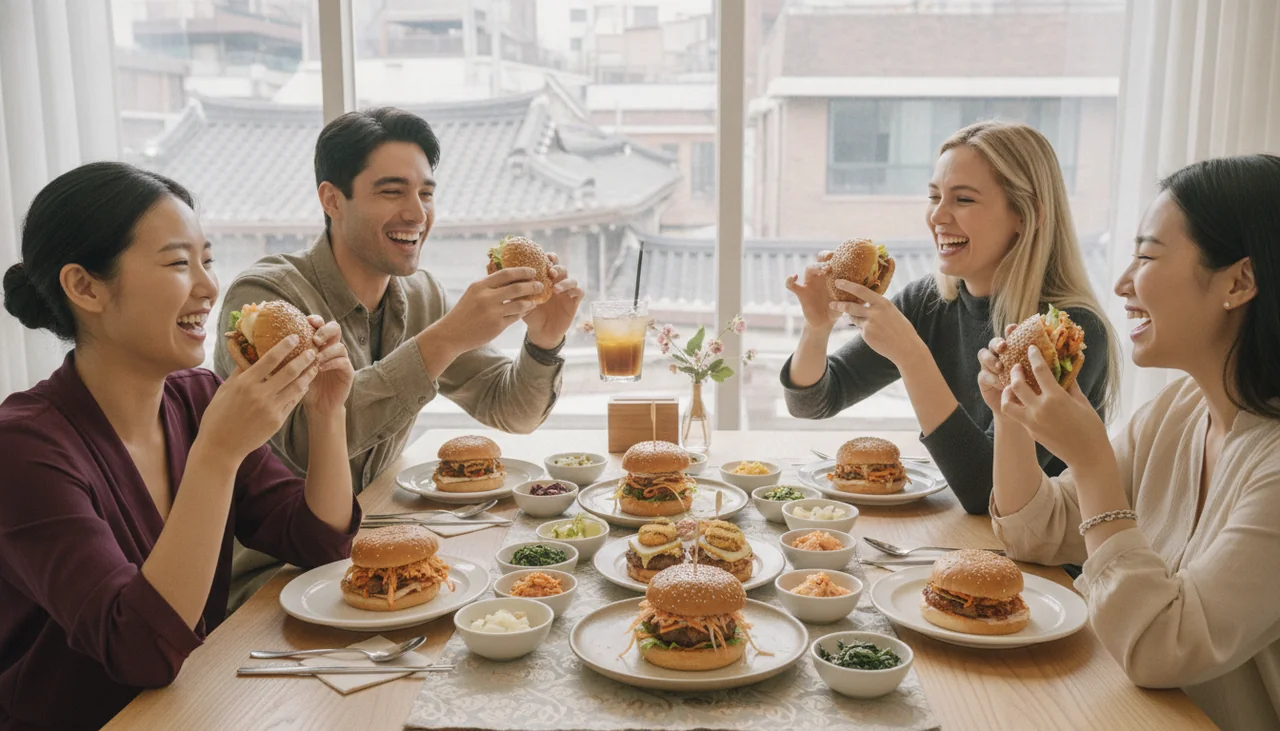
More recently, Hapjeong has seen a surge in popularity for specific culinary events. A June 2026 article, for example, detailed a “Burger Week” event in Hapjeong featuring dishes with US meat. What’s particularly telling about this event is that foreign customers reportedly made up about 80 percent of the clientele for participating restaurants. This isn’t just about burgers; it reflects Hapjeong’s growing reputation as a go-to spot for high-quality international dining that appeals to a diverse, global audience. Alongside these, you’ll find everything from authentic Japanese ramen, often sought out on a cold day as 시크릿 서울 noted in February 2025, to various European and Southeast Asian influences. The neighborhood truly acts as a culinary crossroads, inviting diners to embark on a global gastronomic journey without leaving Seoul.
The Resurgence of Modern Korean Dining: Shabu-Shabu and Late-Night Bites
While international flavors are flourishing, Hapjeong hasn’t forgotten its roots. The neighborhood offers a dynamic interpretation of Korean dining, blending classic dishes with contemporary trends. One significant trend I’ve been following is the growing popularity of shabu-shabu. The Korea Times reported in July 2025 that shabu-shabu was seen as a potential “future of Korean dining,” especially as wallets tighten and dining out becomes pricier. A popular shabu-shabu restaurant near Hapjeong Station was noted to charge between 20,000 and 33,000 KRW per person in 2025, a price range that remains relevant and attractive for a quality meal in 2026. This communal, comforting, and customizable dining experience is increasingly sought after, offering great value and a delicious way to enjoy fresh ingredients.
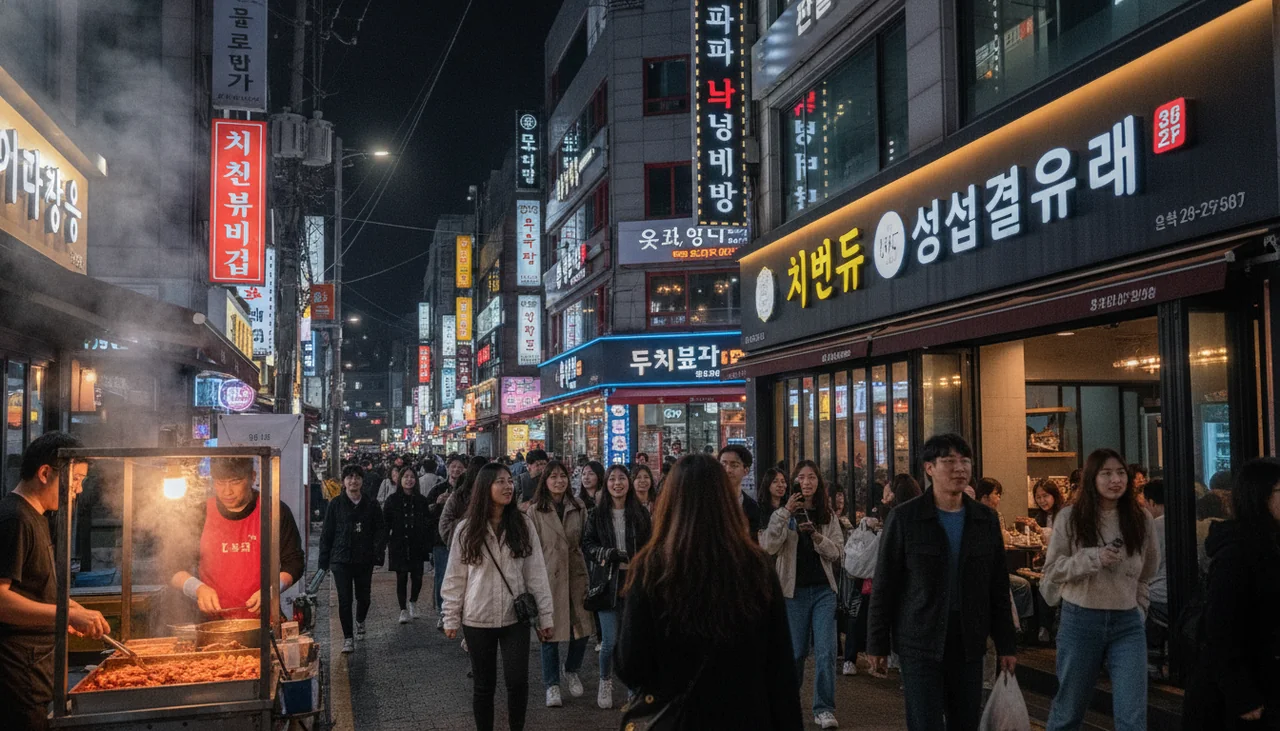
In stark contrast to this, the traditional ‘baekbanjip’ – those homely eateries serving everyday Korean meals – are, unfortunately, on the decline. Both The Korea Herald and The Straits Times reported in March 2025 on the gradual disappearance of these once-staple diners. This shift means that while you might find fewer of the simple, set-menu Korean meals, Hapjeong excels in offering elevated or specialized Korean dishes. This includes hearty gukbap (soup with rice), which is a quintessential part of Korea’s late-night dining culture. Netflix’s ‘KPop Demon Hunters,’ as described in a July 2025 piece, even depicted the vibrant late-night scenes along the Dangsan and Hapjeong sections of the Han River, highlighting this aspect of Seoul’s culinary identity. Additionally, for those who appreciate fresh seafood, the area has a history of excellent raw fish establishments, with a former owner of a renowned ‘Busan Hoejib’ in Hapjeong-dong mentioned in June 2025 news.
Hapjeong’s Distinctive Ambiance: From Artsy to Upscale
What truly sets Hapjeong apart is its distinctive ambiance. It’s a neighborhood that has successfully navigated the challenge of becoming popular without losing its soul. Unlike the sometimes overwhelming energy of Hongdae, Hapjeong offers a slightly more relaxed, yet equally sophisticated, vibe. It’s a place where artistic cafes blend seamlessly with chic restaurants, creating an environment that appeals to a diverse crowd—from local young professionals to international visitors. The area is known for its tree-lined streets and a more curated selection of establishments, fostering a sense of discovery rather than just commercialism.
This unique atmosphere, coupled with its culinary offerings, contributes to Hapjeong’s magnetic pull. It’s often described as a more mature evolution of the Hongdae aesthetic, attracting those who appreciate a blend of art, culture, and gastronomy. While the area can certainly get busy, especially on weekends, it generally maintains a sense of refined vibrancy. This balance is key to its enduring appeal and makes it a delightful place to explore, whether you’re seeking a lively dinner or a relaxed afternoon coffee.
Practical Tips for Your Hapjeong Food Adventure
To make the most of your culinary exploration in Hapjeong, here are some practical tips:
Best Time to Visit: Hapjeong is enjoyable year-round, but many travelers find spring (March to May) particularly pleasant, aligning with the MICHELIN Guide’s general recommendation for “Seoul in Spring” from March 2025. Weekday evenings offer a slightly more relaxed, local experience, while weekends are bustling with energy. For a quieter meal, consider lunch on a weekday. How to Get There: Hapjeong is incredibly accessible. The most convenient way to reach the area is via the Seoul Subway. Take Line 2 or Line 6 to Hapjeong Station. Most dining spots are within a short walk from the station exits. Rough Budget: Hapjeong caters to a range of budgets. For a casual meal like ramen or a simple Korean dish, expect to pay around 8,000-15,000 KRW. Mid-range dining, such as the popular shabu-shabu, typically falls within the 20,000-35,000 KRW per person range, as observed in 2025. Upscale international restaurants might range from 40,000 KRW upwards. Nearby Spots to Combine: Hapjeong is perfectly situated for a multi-neighborhood exploration. You can easily walk to Sangsu-dong, known for its trendy cafes and unique boutiques, or head north to Hongdae for a more energetic, youthful vibe, especially in the evenings. Heading west, Mangwon-dong offers a charming, more traditional neighborhood feel with its famous market and local eateries. Combining Hapjeong with these areas allows for a full day of diverse experiences.
Quick Summary
Hapjeong in 2026 stands as a testament to Seoul’s dynamic culinary landscape, offering a compelling blend of global and modern Korean flavors. From its growing reputation for diverse international cuisines, including a notable “Burger Week” event in June 2026 that attracted 80% foreign customers, to its embrace of popular Korean trends like shabu-shabu (priced around 20,000-33,000 KRW in 2025), the neighborhood is a must-visit. It provides a unique, refined ambiance that distinguishes it from its more boisterous neighbor, Hongdae, while still being highly accessible via Hapjeong Station on Seoul Subway Lines 2 and 6. For travelers seeking an authentic yet evolving taste of Seoul, Hapjeong offers an unforgettable gastronomic journey.
Found this helpful? Bookmark us! ⭐