Jeju Island is a culinary treasure, famed for its pristine natural beauty and, of course, its incredible seafood. While many parts of the island offer delicious catches, Mosulpo, situated in the southwest, holds a special place in Jeju’s gastronomic landscape, particularly for those seeking an authentic and fresh seafood experience in 2026. This isn’t just about eating well; it’s about connecting with a vibrant local culture rooted deeply in the sea.
Mosulpo’s Historic Market Roots
Mosulpo’s significance as a hub for goods and fresh produce isn’t new; it’s steeped in history. According to a report by Traditional Market N on July 1, 2026, the island’s comprehensive market system traces back centuries to Jeju magistrate Yun Won-gu. He established a network of rotating five-day markets across the island, a brilliant initiative designed to improve the distribution of essential goods and foster local commerce. Mosulpo was identified as one of these pivotal market locations, alongside Hwasun, Jungmun, and Seogwi, underscoring its historical importance as a trading and fishing center. This enduring legacy means that when you visit Mosulpo today, you’re not just stepping into a market; you’re engaging with generations of island tradition. The atmosphere is often bustling, a testament to its continuous role in providing fresh ingredients to both locals and visitors.
Ensuring Peak Freshness: The Cooperative’s Role
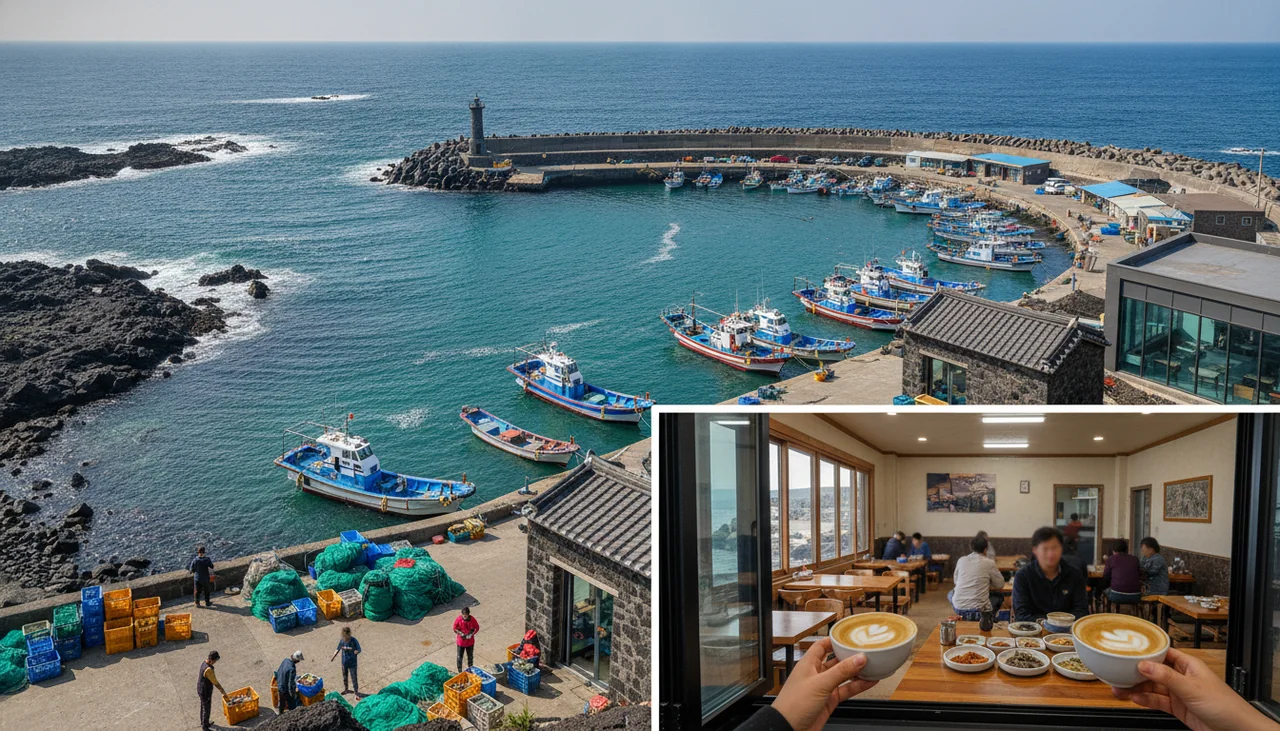
The commitment to delivering impeccably fresh and safe seafood remains a top priority in Mosulpo. This dedication is exemplified by the ongoing efforts of the Jeju Mosulpo Fisheries Cooperative. Assemblyman Moon Dae-rim, in a report from July 1, 2025, highlighted the cooperative’s proactive collaboration with the Ministry of Oceans and Fisheries. This partnership focused on establishing a robust ‘Distribution Stage Hygiene and Safety System,’ a critical initiative aimed at ensuring that the seafood reaching consumers is not only fresh but also meets stringent safety standards. Such systematic approaches provide a significant level of confidence for anyone looking to enjoy the local bounty. It’s a clear indication that the quality and reliability of Mosulpo’s seafood are continuously being upheld and improved.
Signature Flavors of Mosulpo
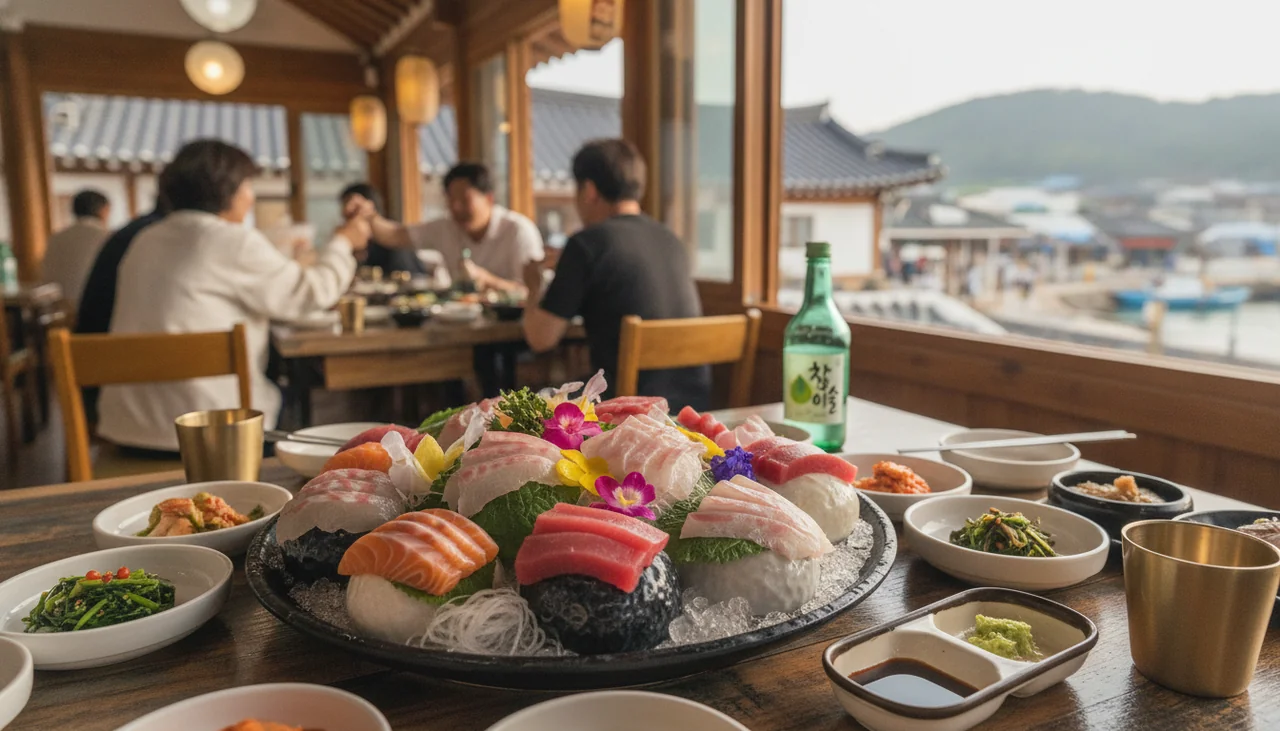
When it comes to the actual eating, Mosulpo offers a delightful array of seafood experiences. While specific restaurants are not the focus, the types of dishes and the general dining atmosphere are what truly define the area. Many travelers find that the freshest raw fish, known as hoe (회), is an absolute must-try. Varieties like yellowtail (방어, bangeo) are particularly celebrated during the cooler months, often served thickly sliced with a variety of side dishes and dipping sauces. Beyond raw preparations, grilled hairtail (galchi gui, 갈치구이) is another Jeju specialty, its delicate white flesh a true island delicacy.
For those who prefer something hearty and warming, a spicy seafood stew (haemul-tang, 해물탕) packed with crabs, shrimp, squid, and various shellfish is a popular choice. Another beloved option is abalone porridge (jeonbokjuk, 전복죽), a comforting and nutritious dish featuring the island’s prized abalone. Expect a hearty seafood stew to generally range from around 15,000-25,000 KRW per person, while a platter of fresh raw fish for a group could be anywhere from 50,000-80,000 KRW, depending on the type and quantity. These general price ranges reflect the quality and freshness of the ingredients you’ll be enjoying.
Planning Your Mosulpo Seafood Journey
Embarking on a seafood adventure in Mosulpo is relatively straightforward with a bit of planning.
Best Time to Visit: While fresh seafood is available year-round, many locals and experienced travelers suggest visiting during autumn and winter for specific seasonal delicacies like yellowtail (bangeo). However, spring and summer offer their own unique catches, making any time a good time for a visit. The historical five-day market tradition suggests a vibrant atmosphere, so checking local market schedules for peak activity can enhance your experience, though specific dates are not always fixed. How to Get There: Mosulpo is located on the southwest side of Jeju Island, part of the larger Seogwipo area. The most convenient way to reach it from Jeju City or Seogwipo City is by rental car, which offers the most flexibility for exploring the island. Public buses also connect Mosulpo to major towns; look for routes heading towards Daejeong-eup (대정읍) or Mosulpo Port (모슬포항). The journey from Jeju International Airport can take roughly an hour by car. Rough Budget: For food, a budget of 30,000-60,000 KRW per person per day allows for a range of excellent seafood meals, from casual market bites to more substantial dining experiences. Accommodations in the area vary widely, from budget-friendly guesthouses to mid-range hotels. Nearby Spots to Combine: Mosulpo Port serves as a major ferry terminal for trips to the smaller, charming islands of Gapado (가파도) and Marado (마라도), which are perfect for a scenic day trip. Sanbangsan Mountain (산방산), with its iconic bell-shaped peak and temple, is also a short drive away, offering stunning views and a chance to experience Jeju’s volcanic landscape. Combining a seafood feast with a visit to these natural wonders makes for a memorable Jeju itinerary.
Quick Summary
Mosulpo in 2026 remains a cornerstone of Jeju’s fresh seafood scene, built on a rich history of market tradition established by figures like magistrate Yun Won-gu, as reported by Traditional Market N on July 1, 2026. The area’s commitment to quality is reinforced by initiatives like the ‘Distribution Stage Hygiene and Safety System’ championed by Assemblyman Moon Dae-rim and the Jeju Mosulpo Fisheries Cooperative, in collaboration with the Ministry of Oceans and Fisheries, as highlighted on July 1, 2025. Whether you’re craving fresh hoe, grilled galchi, or a hearty haemul-tang, Mosulpo offers an authentic taste of Jeju’s ocean bounty. Plan your visit to enjoy both the culinary delights and the scenic beauty of Jeju’s southwest coast.
Found this helpful? Bookmark us! ⭐