South Korea is a culinary powerhouse, but when it comes to a single dish that defines a city, Jeonju and its iconic bibimbap stand supreme. National Geographic, in 2024, famously declared Jeonju the “best food city in South Korea,” a testament to its deep-rooted gastronomic traditions. At the heart of this culinary excellence lies the Jeonju Hanok Village, a living museum where the past and present mingle, offering an unparalleled setting to experience the nation’s most beloved mixed rice dish. For any food enthusiast traveling in 2026, a visit here isn’t just a meal; it’s a cultural immersion.
Jeonju: UNESCO City of Gastronomy and Bibimbap’s True Home
Jeonju’s reputation as a food haven is no accident. It holds the prestigious title of a UNESCO City of Gastronomy, a recognition that speaks volumes about its commitment to preserving and promoting its culinary heritage. This esteemed status is, in large part, thanks to its flagship dish: bibimbap. The city has actively leveraged this dish to enhance its global standing. For instance, the Jeonju Bibimbap Festival has been an annual staple since 2007, held right in the vibrant Jeonju Hanok Village area. This grand event, which Business Wire reported in 2022 as a “Genuine Cultural Food Festival,” aims to elevate Jeonju’s status as a UNESCO city of food, celebrating the artistry and tradition behind the dish. Imagine visiting in 2026 during the festival, which typically takes place in late October (the 2025 dates were Oct. 24-26, according to Stripes Korea in 2025, giving a good indication for the following year), and witnessing the city’s passion for bibimbap firsthand.
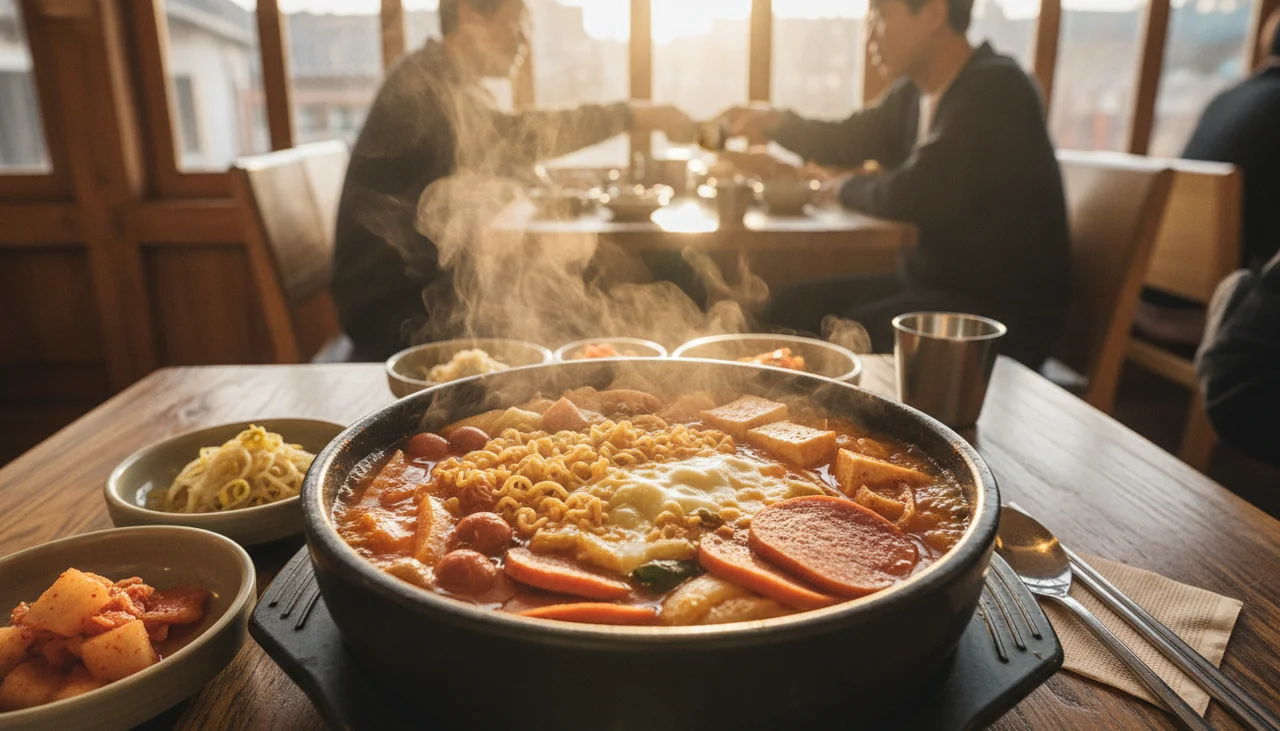
The Iconic Jeonju Bibimbap Experience in Hanok Village
What sets Jeonju bibimbap apart? Many travelers find it’s the meticulous preparation and the quality of local ingredients that truly elevate the dish. While specific recipes vary, the essence remains: a vibrant bowl of warm white rice topped with an array of sautéed and seasoned vegetables (namul), gochujang (chili pepper paste), soy sauce, a raw or fried egg, and often sliced meat. The unique twist in Jeonju often includes local bean sprouts, beef tartar (yukhoe), and a rich, flavorful broth used to cook the rice. This attention to detail ensures a depth of flavor that is genuinely distinct.
The experience of savoring this culinary masterpiece within the Jeonju Hanok Village is what makes it truly special. This village, described by National Geographic in 2024 as a collection of “800 traditional buildings restored over the past 15 years,” offers an atmospheric backdrop unlike any other. Imagine dining in a traditional hanok, the intricate wooden architecture and serene courtyards providing a window into Korea’s past. While prices can vary based on ingredients and establishment, a typical, satisfying bibimbap meal in Jeonju generally ranges from around 10,000 to 18,000 KRW, offering excellent value for such a culturally significant dish.
Beyond Bibimbap: Hanok Village’s “Gastroventures”
While bibimbap is the undisputed king, the Jeonju Hanok Village is a treasure trove of other culinary delights, perfect for what KOREA.net, in 2023, called “gastroventures.” As you leisurely stroll through the village’s hidden alleys, you’ll encounter numerous street food vendors and traditional specialty shops. These vendors offer not only regional traditional specialties but also creative cuisine, showcasing Jeonju’s innovative spirit. Travelers often discover unique takes on classic snacks, sometimes even encountering novelties like bibimbap served in a waffle, as highlighted by National Geographic in 2024 (though you’ll need to explore the sloping lanes to find such creative cafes).
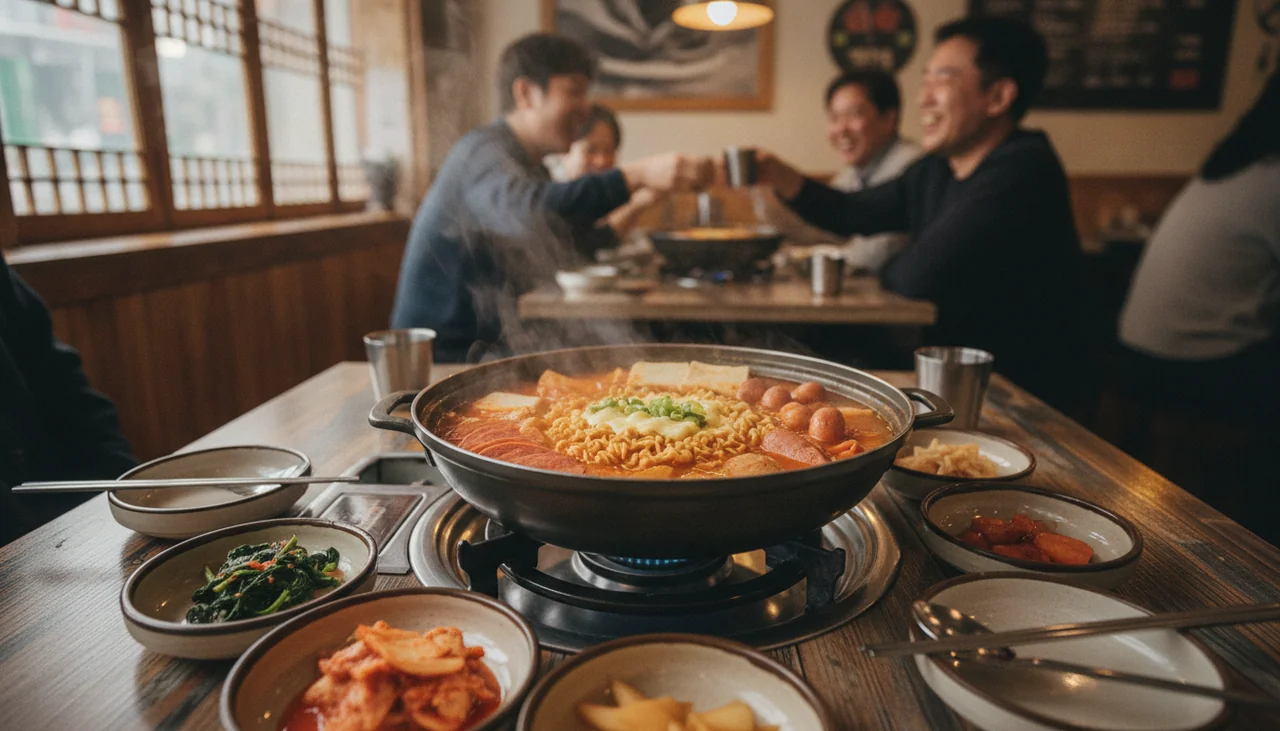
Beyond the food, the Hanok Village itself is an attraction. Its charm lies in the harmonious blend of history and contemporary life. You can rent a hanbok (traditional Korean dress) and wander the picturesque streets, visit traditional craft workshops, or simply relax in a tea house. It’s an environment that encourages exploration, making every corner a potential discovery, whether it’s a new snack or a beautiful photo opportunity.
Planning Your 2026 Jeonju Hanok Village Visit
Making the most of your trip to Jeonju Hanok Village requires a bit of planning to fully immerse yourself in its charm and flavors.
Best Time to Visit: Spring (April-May) and autumn (September-October) offer the most pleasant weather for exploring the village on foot. As mentioned, the annual Jeonju Bibimbap Festival in late October is a fantastic time for food lovers, though the village will be bustling. How to Get There: Jeonju is well-connected by Korea’s excellent public transport system. The most common way to arrive is by KTX high-speed train to Jeonju Station. From there, the Hanok Village is a short taxi ride (around 10-15 minutes) or accessible by local bus. Many intercity buses also run directly to Jeonju Bus Terminal, which is also a short distance from the village. Rough Budget: For a full day of culinary exploration and sightseeing in the Hanok Village, a budget of approximately 40,000-70,000 KRW per person should cover meals, snacks, and perhaps a small souvenir or hanbok rental, excluding accommodation. Accommodation within the village (in hanok guesthouses) can range from 60,000 to 150,000 KRW or more per night, depending on the season and comfort level. Nearby Spots to Combine: While in Jeonju, consider exploring the nearby Nambu Market, especially for its vibrant night market. If you’re extending your trip, Jeonju is often a highlight on tours like “Soul of Korea” (debuted by InsideAsia Tours in 2025) or those spotlighting the “Best of South Korea” (Leisure Group Travel, 2025), which often include other regional gems. Many travelers also compare Jeonju Hanok Village to Seoul’s Bukchon Hanok Village, which also features a cluster of traditional buildings, but Jeonju offers a more expansive and deeply rooted cultural experience, particularly concerning food.
Why Jeonju Continues to Captivate Travelers in 2026
In 2026, Jeonju’s appeal continues to grow, driven by a confluence of factors that resonate with modern travelers. As reported in 2024, dramas, K-pop, and Instagram are significant drivers influencing tourist destinations, and Jeonju has certainly benefited from this trend. Its picturesque hanok architecture and delectable food are incredibly “Instagrammable,” drawing visitors seeking both aesthetic beauty and authentic cultural experiences.
Beyond the digital allure, Jeonju offers a unique blend of tradition and innovation, a concept highlighted by Korean-American food expert Dan, a guide for Intrepid Travel, in a 2024 report. The city doesn’t just rest on its historical laurels; it actively evolves its culinary landscape while honoring its roots. This dynamic balance ensures that Jeonju Hanok Village remains a vibrant, relevant, and utterly essential destination for anyone looking to truly taste and understand the soul of Korean cuisine in 2026.
Quick Summary
Jeonju Hanok Village is the quintessential destination for experiencing authentic Jeonju bibimbap, recognized as the heart of South Korea’s “best food city” (National Geographic, 2024). As a UNESCO City of Gastronomy, Jeonju celebrates its culinary heritage, notably through the annual Bibimbap Festival held in late October. Visitors in 2026 can savor traditional bibimbap (around 10,000-18,000 KRW) amidst 800 restored hanok buildings, explore vibrant street food and creative dishes, and immerse themselves in cultural activities. Practical tips include visiting during spring/autumn or the festival, arriving via Jeonju Station, budgeting 40,000-70,000 KRW for food and activities, and exploring Nambu Market nearby. Jeonju’s blend of tradition and modern appeal continues to make it a must-visit.
KEYWORDS
people eating bibimbap in a traditional hanok, bustling street food vendors in Jeonju Hanok Village, vibrant Jeonju Bibimbap Festival crowd, person in hanbok strolling through Jeonju Hanok Village alleys, scenic aerial view of Jeonju Hanok Village, traditional Korean tea house interior with people
TAGS
Jeonju Hanok Village, bibimbap, Jeonju food tour, UNESCO City of Gastronomy, Korean traditional food
Found this helpful? Bookmark us! ⭐