There’s a special kind of calm that washes over you when surrounded by emerald green, the air subtly fragrant with the promise of a perfect brew. For many travelers, this idyllic scene is synonymous with Boseong, South Korea’s renowned “Capital of Green Tea.” As of 2026, the region is experiencing a vibrant resurgence, riding the global “matcha-core” trend, as reported by The Asia Business Daily on July 8, 2025. This isn’t just about drinking tea; it’s about immersing yourself in an experience that invigorates the senses and offers a peaceful escape from the everyday.
Why Boseong? The Green Tea Capital’s Allure
Boseong holds a unique place in Korean culture, cherished for its vast, rolling tea plantations that paint the landscape in breathtaking shades of green. It’s often said that the quality of the tea here is unmatched, cultivated in a pristine environment that benefits from the coastal climate. The sheer scale of the tea fields is a common first impression for visitors, inspiring awe and providing endless opportunities for stunning photographs. Beyond the visual spectacle, Boseong’s identity as the “Capital of Green Tea” is deeply rooted in its history and dedication to tea cultivation, making it an essential pilgrimage for anyone interested in Korean tea culture.
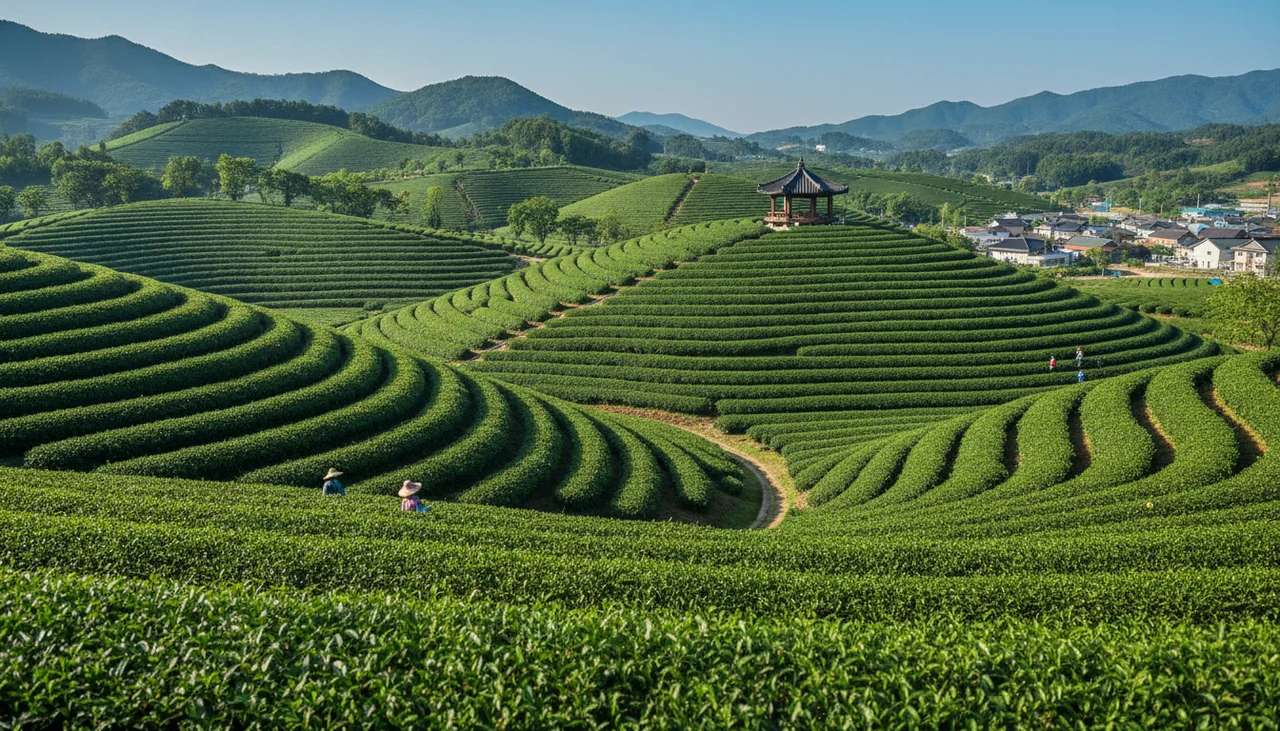
The region’s commitment to preserving its natural beauty and agricultural heritage is evident everywhere. Locals tend to take great pride in their tea, and this dedication translates into the fresh, robust flavors found in every cup. For those seeking a tranquil retreat, Boseong offers a slower pace of life, encouraging visitors to breathe deeply and appreciate the simple beauty of nature. It’s a place where the journey through the fields is as much a part of the experience as the destination itself, creating a holistic sense of well-being that resonates with many.
The Cafe Experience Amidst the Fields
The true magic of Boseong’s green tea fields often culminates in its charming cafes. These aren’t your typical urban coffee shops; they are havens strategically placed to offer panoramic views of the verdant slopes, allowing you to sip your drink while gazing out at the source of its ingredients. What stands out is how seamlessly these establishments blend into the natural landscape, often featuring open-air seating or large windows that invite the outside in.
A visit to one of these cafes typically involves indulging in a variety of green tea-infused delights. Expect to find classic matcha lattes, refreshing iced green tea, and even unique green tea-flavored desserts like cakes, ice cream, and pastries. While specific prices vary by establishment, a typical beverage might range from around 5,000 to 8,000 KRW, with desserts often falling between 6,000 and 12,000 KRW. Many travelers find that the serene atmosphere and the quality of the ingredients make these prices entirely worthwhile. Most cafes operate from late morning until early evening, offering ample time to enjoy the views and the flavors. It’s an experience that perfectly encapsulates the “matcha-core” trend, blending aesthetic appeal with authentic taste.
Planning Your Boseong Green Tea Escape
Planning your trip to Boseong involves a few practical considerations to make the most of your visit.
Best Time to Visit: While beautiful year-round, many travelers find spring (April-May) and early summer (June) particularly appealing when the tea leaves are at their most vibrant, and the weather is pleasantly mild. Autumn (September-October) also offers stunning scenery with cooler temperatures, making it a popular time for travel around South Korea, as noted by Stripes Korea on July 24, 2024. Winters are colder but can offer a unique, stark beauty, especially if there’s snow.
How to Get There: Boseong is located in Jeollanam-do province. The most common way to reach Boseong is by bus. Direct intercity buses run from major cities like Seoul (Central City Bus Terminal) to Boseong Bus Terminal, taking approximately 4-5 hours. From the bus terminal, local buses or taxis can take you to the main tea field areas and nearby cafes. For those driving, Boseong is easily accessible via national highways, and parking is generally available near the major attractions. A road trip can be an excellent option, as highway rest stops in Korea are known for being veritable oases, according to Maeil Business Newspaper on May 31, 2025.
Rough Budget: For a day trip, budgeting around 30,000-50,000 KRW per person for transportation (local), cafe treats, and perhaps a small souvenir is reasonable. If staying overnight, factor in accommodation costs, which can vary widely.
Nearby Spots Worth Combining: Boseong is ideal for combining with other Jeollanam-do attractions. Consider visiting Suncheon Bay National Garden and Suncheonman Bay Wetland Reserve for incredible natural beauty and ecological significance. The city of Gwangju is also relatively close and offers a vibrant cultural experience with its museums and art scene.
Beyond the Cafes: Exploring Boseong’s Green Delights
While the green tea field cafes are a major draw, Boseong offers more ways to immerse yourself in its verdant charm. The tea fields themselves are open for exploration, allowing visitors to walk among the tea bushes and truly appreciate the scale of the plantations. Many areas provide scenic walking paths that wind through the hills, offering different vantage points and photo opportunities.
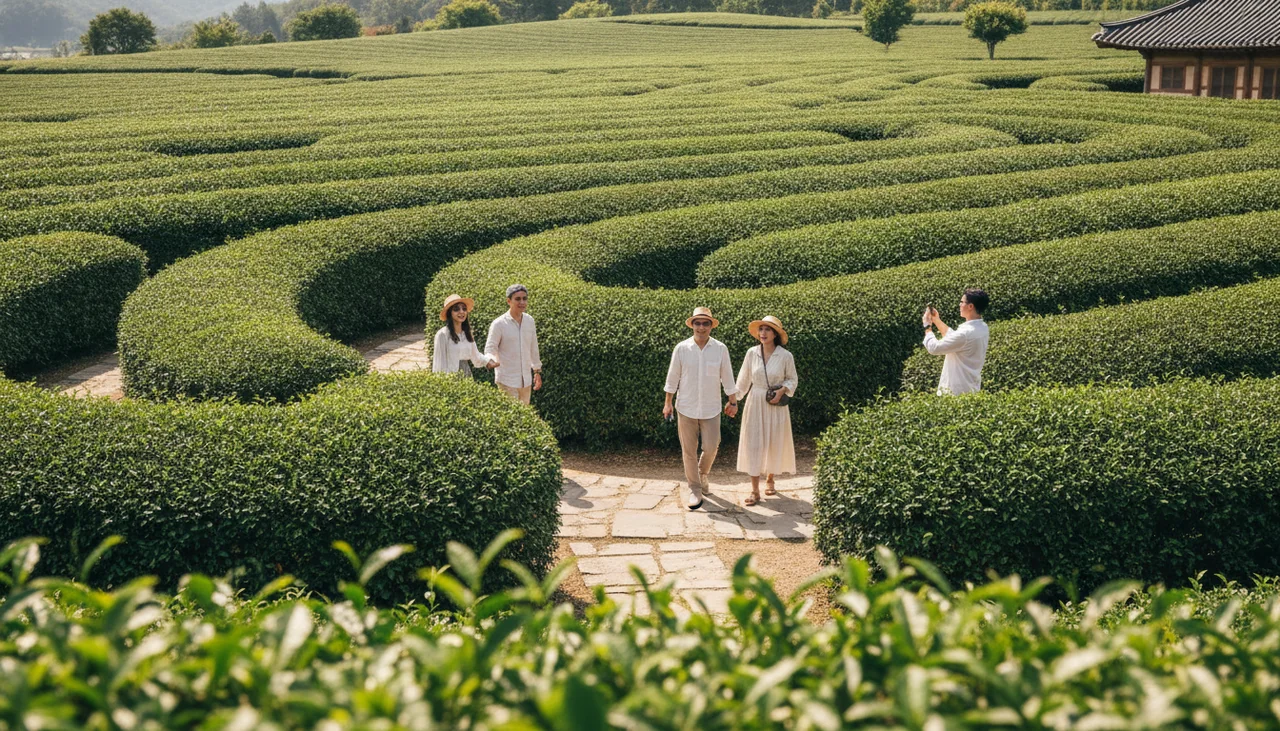
One notable attraction is the ‘Golmangtae, Chef’s Garden,’ which includes a Green Tea Maze Garden. This private garden, designated as the 25th private garden in Jeollanam-do on July 17, 2023, is celebrated for its aesthetic value and its strong connection to Boseong’s tea and tourism. It offers a playful and unique way to engage with the green tea landscape, symbolizing a “bowl containing field grains” with its unique name, ‘Golmangtae.’ Exploring such gardens adds another layer to the Boseong experience, showcasing the region’s innovative approach to tourism while highlighting its natural assets. Many visitors also enjoy stopping by local markets to find fresh green tea products, from ceremonial-grade matcha to green tea-infused snacks and beauty items, making for perfect souvenirs.
Quick Summary
Boseong, South Korea’s “Capital of Green Tea,” is a must-visit in 2026, especially with the global “matcha-core” trend giving it renewed popularity. The region offers stunning green tea fields and charming cafes that provide an immersive experience with panoramic views and delicious green tea-infused treats. Practical tips for visiting include planning for spring or autumn, utilizing intercity buses or private vehicles for travel, and budgeting for a delightful day trip or an extended stay. Beyond the cafes, visitors can explore the tea fields on foot and discover unique attractions like the Green Tea Maze Garden within ‘Golmangtae, Chef’s Garden,’ as recognized by Jeollanam-do on July 17, 2023. Boseong truly offers a serene and flavorful escape into nature and culture.
Found this helpful? Bookmark us! ⭐