Jeju Island, a volcanic marvel off Korea’s southern coast, captivates with its dramatic landscapes and a culinary scene deeply rooted in the ocean. While many visitors flock to the island’s bustling cities, seasoned food explorers know that some of the most authentic and delectable experiences lie in its charming coastal towns. Hallim, situated on Jeju’s western side, is one such place—a vibrant hub where the rhythm of the sea dictates daily life and the freshness of the catch is unparalleled. It’s here that the island’s rich maritime history and innovative spirit converge, offering a truly unique seafood journey in 2026.
Hallim: Jeju’s Western Coastal Gem
Hallim is more than just a picturesque town; it’s a living testament to Jeju’s deep connection with the sea. This area, encompassing Hallim-eup and its surrounding villages, has long been a vital fishing community. The air here often carries the invigorating scent of the ocean, mingling with the savory aromas from local eateries. What stands out about Hallim is its balance—it offers the rustic charm of a traditional fishing village alongside modern conveniences, making it an accessible yet authentic destination for travelers seeking genuine Korean flavors.
The Hallim Port itself is a hub of activity, where fishing boats arrive with their daily bounty, and the daily rhythm of the sea is palpable. Travelers often remark on the picturesque views and the sense of calm that pervades this western coast. This area serves as a gateway to other island adventures, with a reported 15-minute boat ride from Hallim Port connecting visitors to Udo-myeon, Jeju City, Jeju, as highlighted in a WEEKEND GETAWAY article from October 4, 2024. This makes Hallim an ideal base for exploring not just its own culinary delights but also nearby island attractions.
The Haenyeo Legacy: A Taste of Tradition
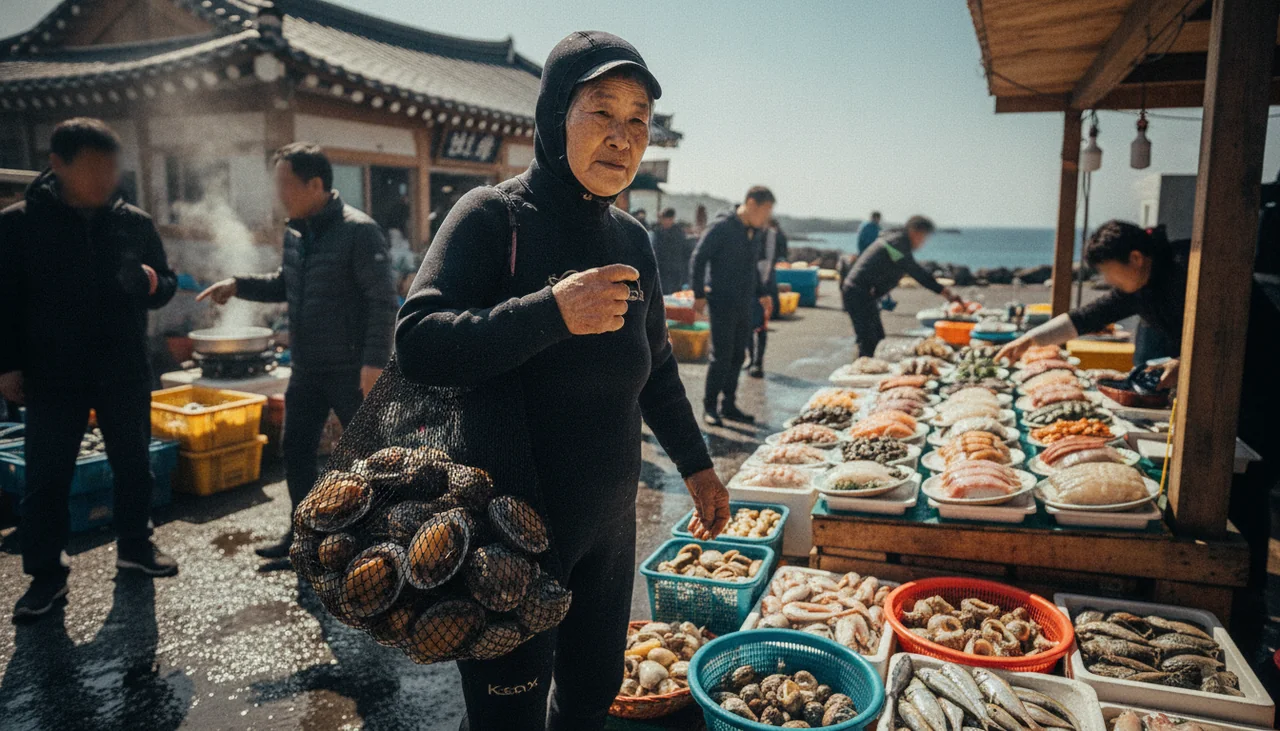
No discussion of Jeju seafood, especially in areas like Hallim, is complete without honoring the haenyeo—Jeju’s legendary female divers. These remarkable women, often in their later years, free-dive into the cold ocean waters without oxygen masks, harvesting seafood such as abalone, conch, and sea urchins by hand. This incredible cultural heritage was rightfully recognized by UNESCO in December 2016, a fact widely reported by The Korea Times. Their dedication and skill represent the very essence of sustainable, traditional fishing.
Many travelers are deeply moved by the stories of the haenyeo, with a French writer sharing her personal experience of the female diver culture on Jeju Island in a Korea.net article from August 18, 2023. These divers are not just providers of fresh ingredients; they are cultural icons, embodying resilience and a profound respect for the ocean. As 조선일보 reported in June 2024, the island’s oldest sea women continue to reflect on a lifetime spent underwater, ensuring their legacy endures. Eating seafood sourced by haenyeo in Hallim is not just a meal; it’s a direct connection to centuries of tradition and the island’s unique spirit.
What to Expect: Signature Hallim Seafood Dishes
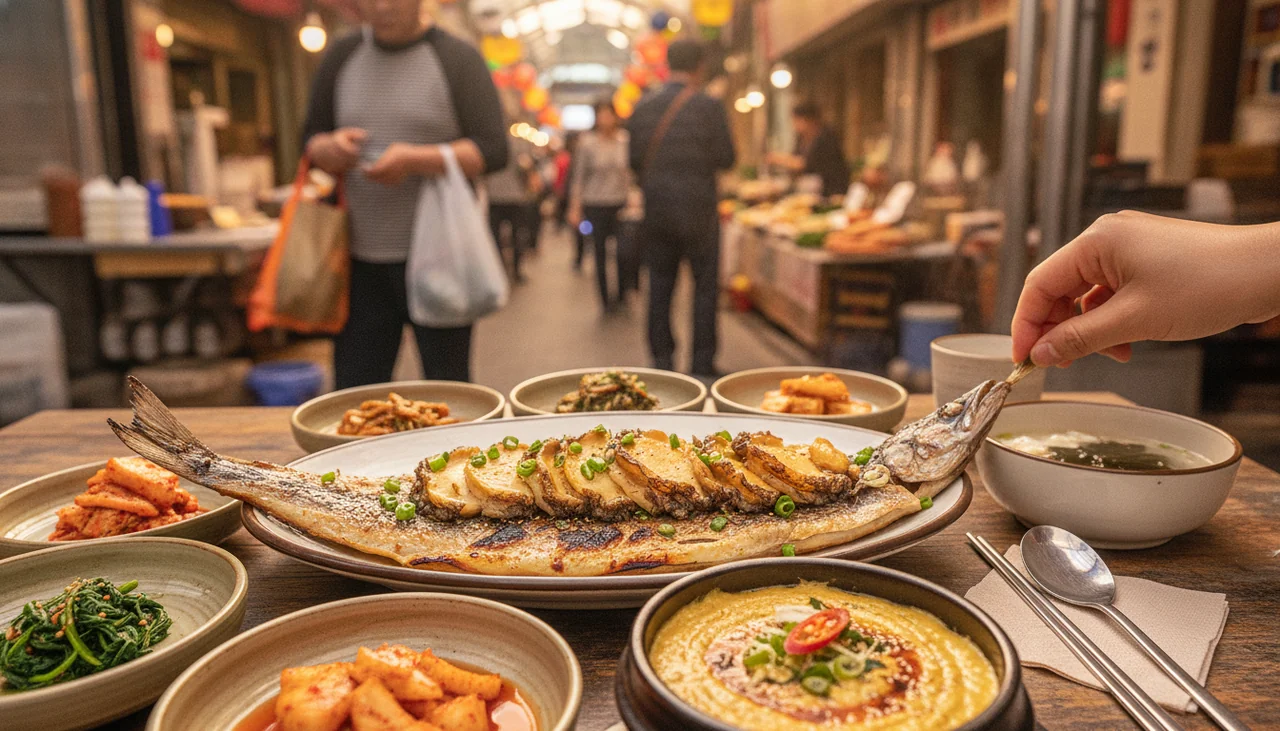
When it comes to Hallim seafood, freshness is the undisputed star. While the specific daily catch varies, certain staples are consistently celebrated. Cutlassfish, known as galchi in Korean, is particularly renowned in this region. Its delicate, flaky white flesh is often grilled (galchi gui) or braised (galchi jorim) in a spicy, savory sauce. It’s often said that Jeju’s cutlassfish has a distinctive flavor, a testament to the island’s pristine waters. In fact, Coupang demonstrated a strong commitment to local sourcing, directly purchasing 90 tons of cutlassfish off Hallim, Jeju Island, in 2025, as reported in February 2026 news about their goal to purchase 9,400 tons of fruit and seafood from rural areas by 2025. This highlights the abundance and quality of Hallim’s cutlassfish.
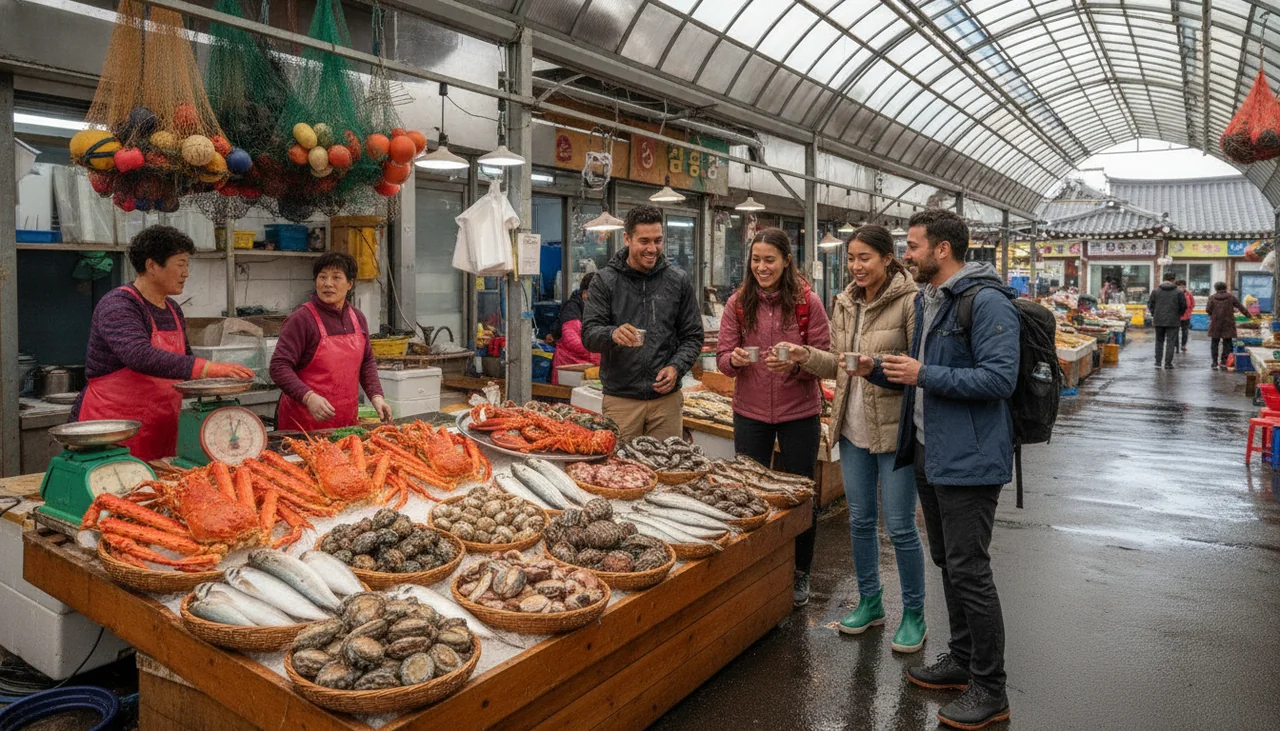
Beyond cutlassfish, travelers can anticipate a dazzling array of other seafood. Jeonbok (abalone), particularly prized, is often served grilled with butter, in a hearty porridge, or as a fresh sashimi. Various kinds of raw fish (hoe) are also popular, allowing diners to savor the pure taste of the ocean. For a typical seafood meal in Hallim, including grilled fish, a stew, or a set menu, prices generally range from around 15,000 to 40,000 KRW per person, depending on the type of seafood and portion size. Larger, premium dishes like whole grilled cutlassfish or abalone sets can go higher, reaching 50,000 KRW or more for shared platters. These general price ranges provide a realistic expectation for dining in the area.
Beyond the Plate: Hallim’s Food Scene & Freshness Assurance
Hallim’s seafood scene is dynamic, supported by both traditional practices and modern initiatives. The commitment to fresh, locally sourced ingredients is evident throughout the area. For instance, the Hallim Fisheries Cooperative FPC Marine Products Festival, an annual event, typically runs from November 4-15, offering a fantastic opportunity to experience the bounty of the sea firsthand, as noted by Jeju Island Maritime Affairs and Fisheries Bureau Director Jeong Jae-cheol in October 2023. Such festivals are where locals and visitors alike celebrate the harvest and enjoy seasonal specialties.
The island’s dedication to quality and safety is also a point of reassurance for many travelers. In response to public concerns, Jeju Island has consistently conducted radioactive seafood testing, with results found to be “appropriate,” as confirmed by Jeju Island Maritime Affairs and Fisheries Bureau Director Jeong Jae-cheol in October 2023. This proactive approach ensures that the seafood enjoyed in Hallim is not only delicious but also safe.
Furthermore, Hallim is at the forefront of innovative logistics. Jeju Island began a drone delivery service in July 2024, connecting its main island with neighboring islets. This service, originating from areas like Geumneung-ri, Hallim-eup, now facilitates the swift transport of seafood collected by residents back to the main island, ensuring maximum freshness and supporting local communities. For those seeking a well-regarded establishment that embodies Hallim’s seafood tradition, places like 독개물항 제주한림 협재 본점, located at 제주특별자치도 제주시 한림읍 한림로 478, are often mentioned as popular choices for their focus on Korean-style seafood and fish dishes.
Planning Your Hallim Seafood Adventure in 2026
Ready to dive into the flavors of Hallim? Here are some practical tips to help you plan your ultimate seafood journey:
Best Time to Visit: Spring (April-May) and Autumn (September-October) offer pleasant weather for exploring, though summer (June-August) is perfect for combining seafood with beach visits. For specific events, aim for early November to catch the Hallim Fisheries Cooperative FPC Marine Products Festival (November 4-15). Winter (November-March) can be cold, but it’s prime season for certain fish like yellowtail, which is also celebrated at the Yellowtail Festival, often held in the region. How to Get There: Hallim-eup is easily accessible from Jeju International Airport (CJU). Many travelers opt to rent a car for flexibility, which is highly recommended for exploring Jeju. Alternatively, local buses connect Hallim to Jeju City and other major towns. Look for routes heading towards Hallim Port or Hyeopjae Beach, which is very close to Hallim. Rough Budget: For a full day of exploring and enjoying at least two seafood meals (lunch and dinner) plus some snacks, a general budget of 50,000-80,000 KRW per person is a good starting point, excluding accommodation and transportation to Jeju. Keep in mind that premium seafood can increase this budget. Nearby Spots to Combine: Hyeopjae Beach & Geumneung Beach: These stunning white sand beaches with turquoise waters are right next to Hallim, perfect for a post-meal stroll or relaxation. Udo-myeon: Take the 15-minute boat ride from Hallim Port to Udo, an enchanting smaller island known for its scenic beauty and unique local products. * Jeju Geumak Village (금악마을): Located inland from Hallim, this village was highlighted as a “new attraction for the foodie in Jeju” by kavenyou.com in October 2021. It offers a different culinary experience, often focusing on local produce and unique cafes.
Quick Summary
Hallim offers an authentic and delicious Jeju seafood experience in 2026, deeply intertwined with the island’s unique haenyeo culture, a UNESCO heritage recognized in 2016. From fresh cutlassfish, with 90 tons purchased off Hallim by Coupang in 2025, to abalone, the region promises exquisite flavors. Hallim’s commitment to freshness is underlined by events like the Hallim Fisheries Cooperative FPC Marine Products Festival (Nov 4-15) and even drone delivery services from Geumneung-ri, Hallim-eup. With robust safety checks on seafood and easy access to stunning beaches and nearby islands like Udo-myeon, Hallim is an essential stop for any food-and-travel enthusiast exploring Jeju.
Found this helpful? Bookmark us! ⭐