Sokcho, a vibrant coastal city on Korea’s eastern seaboard, has long captivated travelers with its stunning beaches, majestic mountains, and, most importantly, its exceptional seafood. But nestled within its bustling landscape lies a place with a story as rich as its flavors: Abai Village. This unique enclave offers more than just delicious meals; it provides a poignant glimpse into a resilient community shaped by history, making it a must-visit destination for any traveler in 2026 seeking authentic Korean experiences.
The essence of Abai Village is deeply rooted in the lives of North Korean refugees who settled here after the Korean War. Many travelers find that the village’s distinct character and culinary traditions are a direct reflection of this past. As KBS WORLD Radio reported on August 2, 2019, Sokcho became a “second home to North Korean war refugees,” and Abai Village specifically became a haven. The profound impact of this history is still palpable, as NPR and KUOW highlighted on June 25, 2024, noting that many of these North Koreans have been unable to return home for “over 70 years.” This gives Abai Village a soulfulness that resonates far beyond its bustling eateries.
Abai Village’s Heartbeat: A Culinary Story
The unique circumstances of its founding have profoundly influenced Abai Village’s culinary identity. The dishes here are not merely food; they are a legacy, a culinary bridge to a homeland many could never revisit. What stands out immediately is the fusion of familiar Korean flavors with distinct northern influences, creating a gastronomy found nowhere else.
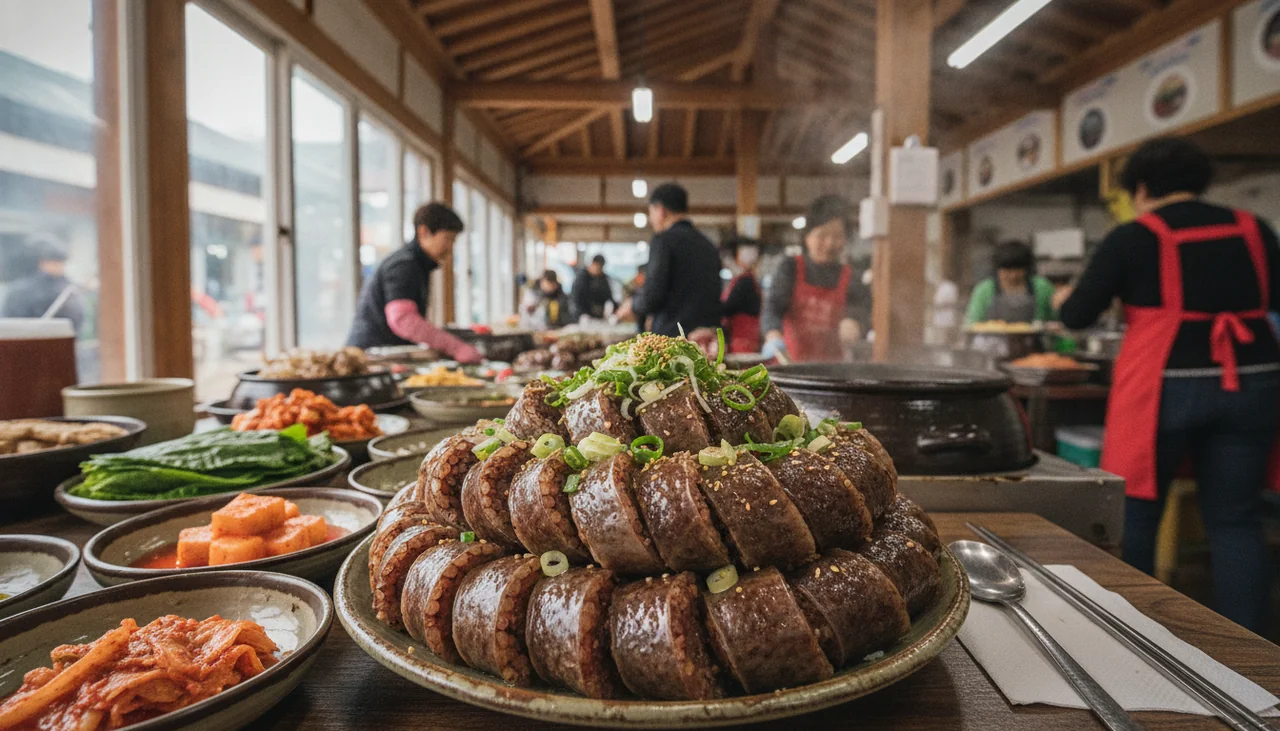
One of the most famous examples is Abai Sundae. While sundae, or Korean blood sausage, is a common street food across the country, the version found in Abai Village is widely celebrated for its unique preparation. As noted in a travel feature on August 8, 2019, “Sundae Sundae… is more fun in Sokcho,” specifically within Abai Village. Unlike typical sundae made with pig intestines, Abai sundae often uses squid or whole large intestines stuffed with a savory mixture of glass noodles, vegetables, and sometimes glutinous rice. This results in a heartier, more flavorful sausage that reflects the resourcefulness and ingenuity of its refugee founders. Many travelers find it to be a comforting and deeply satisfying dish, perfect for sharing. A generous portion of Abai sundae typically costs around 10,000-20,000 KRW, making it an accessible and essential tasting experience.
Beyond sundae, the village offers a variety of dishes influenced by North Korean cuisine, such as Gae-ri-ssal (a type of cold noodle dish) and various seafood stews that carry a subtle, distinct flavor profile. These dishes offer a tangible connection to the past, allowing visitors to taste the history of this resilient community.
Signature Seafood Experiences in 2026
Given Sokcho’s identity as a vibrant port city, it’s no surprise that seafood takes center stage in Abai Village. The city is “defined by its lively beaches, abundant seafood and vibrant city atmosphere,” as observed on August 8, 2019. This abundance directly translates into the village’s culinary offerings, with fresh catches arriving daily.
Walking through the village, especially as evening approaches, the air fills with the tantalizing aroma of grilling seafood. A local report on May 18, 2026, vividly described Sokcho’s night as an intermingling of “signboard lights, voices, and the smell of grilling seafood.” This sensory experience is particularly strong in Abai Village. Visitors can expect to find a wide array of seafood prepared in various ways: generously grilled fish, spicy seafood stews brimming with clams and squid, and fresh raw seafood platters (hoe).
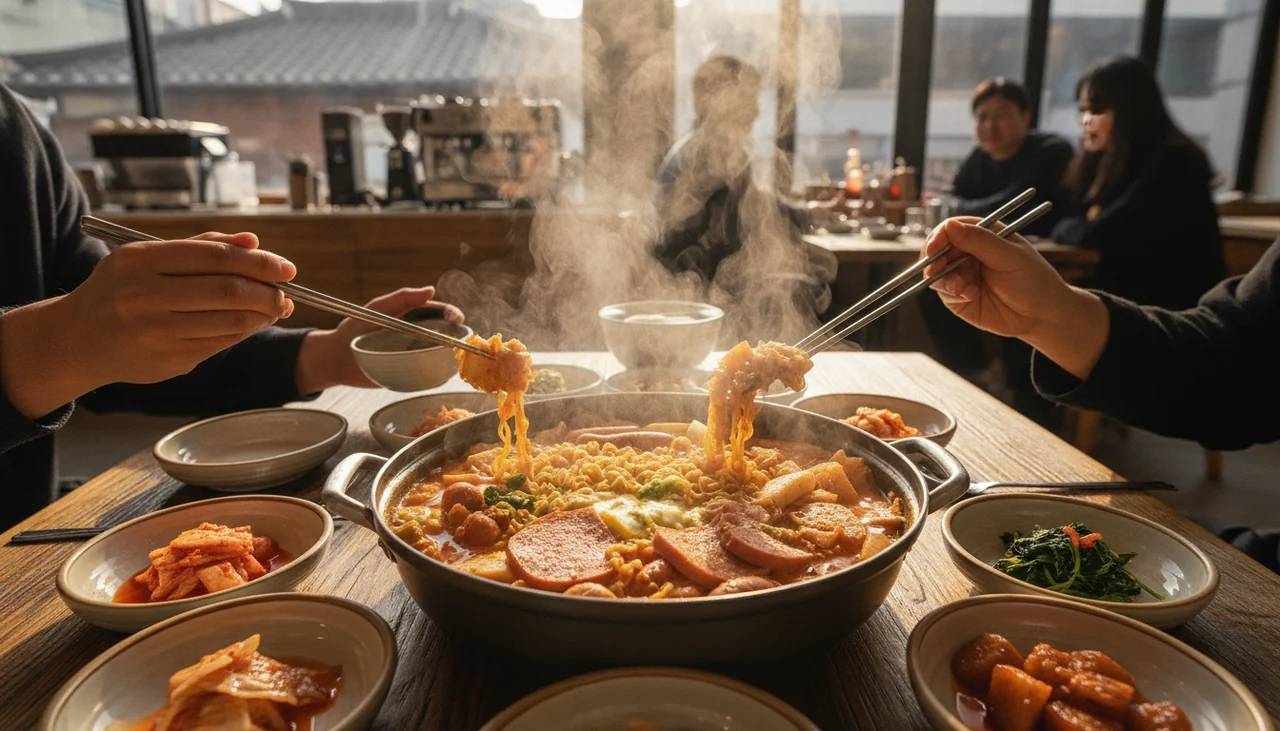
Many establishments here specialize in ojingeo sundae (squid sundae), but the broader seafood offerings are just as compelling. From hearty seafood pancakes (haemul pajeon) to steaming bowls of fish roe stew (altang), there’s something to satisfy every palate. While exact prices vary by season and catch, a typical seafood stew or grilled fish dish for one person generally ranges from 15,000-30,000 KRW, with larger shared platters costing upwards of 40,000 KRW. The emphasis is always on freshness, with many places proudly displaying their daily catches. Enjoying these dishes, often served with a variety of banchan (side dishes), offers a quintessential Korean dining experience.
Beyond the Plate: Abai Village’s Unique Charm
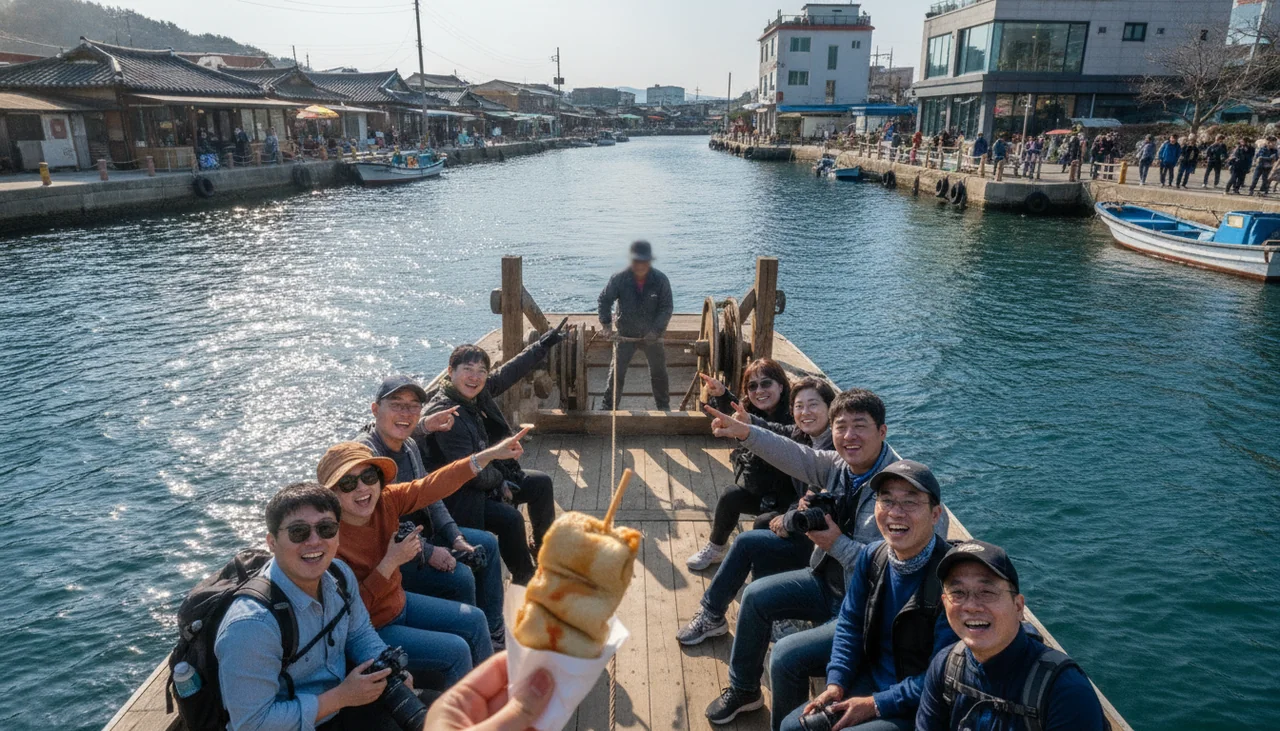
Abai Village is more than just a place to eat; it’s a living museum of resilience and community spirit. The village itself is small and walkable, characterized by narrow alleys and homes that tell stories of decades past. One of its most distinctive features is the Gaetbae ferry, a unique, hand-pulled raft that connects Abai Village to the bustling Jungangdong area of Sokcho. The May 18, 2026 report specifically mentioned this connection, noting how crossing the “short channel” evokes “memories of wartime refuge.” This short, memorable ride offers a charming, old-world experience and is a delightful way to travel between the two areas. Many travelers find the Gaetbae ride to be an iconic part of their visit, a gentle journey that symbolizes the village’s enduring spirit.
The village’s atmosphere, especially in the evening, is truly special. The combination of “signboard lights, voices, and the smell of grilling seafood” creates a lively yet nostalgic ambiance, inviting visitors to linger and soak it all in. It’s a place where the past feels ever-present, yet the community thrives with contemporary life. Beyond the food, exploring the small shops and observing daily life offers a deeper understanding of this remarkable place.
Practical Traveler’s Guide to Abai Village (2026)
Planning a trip to Abai Village in 2026 promises a memorable experience. Here’s what you need to know:
Best Time to Visit: Sokcho generally enjoys pleasant weather from spring through autumn. The May 18, 2026 report mentioned “Sokcho was already summer,” suggesting the warmer months bring a lively energy to the coast. However, visiting during the shoulder seasons (April-May or September-October) often provides comfortable temperatures and fewer crowds, making for a more relaxed exploration. The village maintains its charm year-round, with each season offering a different atmosphere. How to Get There: To reach Sokcho, travelers typically take an intercity bus from major cities like Seoul (e.g., from Express Bus Terminal or Dongseoul Bus Terminal). The journey takes approximately 2.5-3 hours. Once in Sokcho, Abai Village is easily accessible. From the Sokcho Intercity Bus Terminal or Express Bus Terminal, you can take a local bus or a taxi directly to the Gaetbae ferry dock. The ferry ride itself is a short, unique experience, costing a nominal fee (usually around 500 KRW per person). Alternatively, taxis can take you directly into the village if you prefer not to use the ferry. Rough Budget: For food, expect to spend around 10,000-30,000 KRW per meal per person, depending on your choice of dishes (e.g., Abai Sundae is more affordable than a full seafood feast). Transportation costs within Sokcho are minimal; local buses are inexpensive, and taxis are reasonably priced for short distances. Nearby Spots to Combine: Abai Village is perfectly situated for combining with other Sokcho attractions. The short Gaetbae ride will take you directly to Jungangdong, a bustling area known for its traditional market, Jungang Market, where you can find more street food and fresh produce. The village is also located approximately “5.5 kilometers from the Seorak Sunrise Park,” as mentioned on June 17, 2016, making it a convenient stop if you plan to visit the beautiful Seorak Mountain National Park or enjoy the sunrise over the East Sea. Sokcho’s “lively beaches” (Thu, 08 Aug 2019) are also just a short distance away, offering opportunities for relaxation and scenic views.
Quick Summary
Abai Village in Sokcho offers a truly distinctive travel experience in 2026, blending a rich, poignant history with a vibrant culinary scene. Its unique dishes, born from the resilience of North Korean refugees, provide a taste of heritage alongside abundant, fresh seafood from the East Sea. From the iconic Gaetbae ferry ride to the bustling evening atmosphere, the village encapsulates a spirit that is both nostalgic and enduring. It’s a place where every meal tells a story, and every corner reveals a piece of Korea’s compelling past and present.
Found this helpful? Bookmark us! ⭐