There’s a unique charm that draws visitors to destinations where art and daily life intertwine, and Paju’s Heyri Art Village embodies this perfectly. Less than an hour’s drive from the bustling heart of Seoul, this sprawling community is a testament to creative spirit, offering a refreshing escape for those seeking cultural immersion and, crucially, exceptional cafe experiences. It’s a place where every corner tells a story, and every cafe offers a distinct atmosphere, making it a prime spot for both dedicated art lovers and casual explorers alike in 2026.
More Than Just Coffee: The Heyri Cafe Experience
What truly sets Heyri Art Village apart is its distinctive approach to the cafe scene. Unlike typical commercial coffee shops, the cafes here are often extensions of galleries, studios, or unique architectural statements themselves. Many travelers find that the artistic philosophy of Heyri permeates even the simplest cup of coffee, transforming a routine stop into a moment of contemplation or creative inspiration. These aren’t just places to grab a quick caffeine fix; they are designed spaces, each with its own character, often featuring curated art, bespoke furniture, and panoramic views of the surrounding landscape.
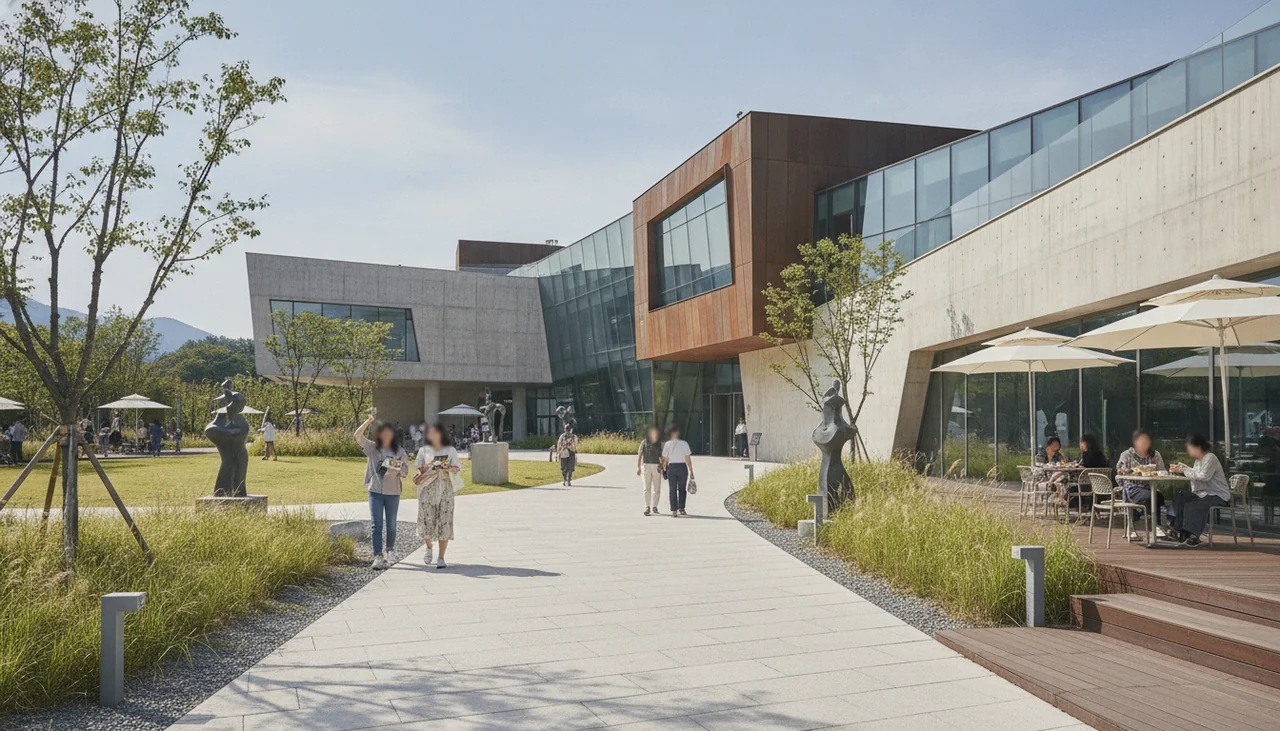
A common first impression is the sheer diversity on offer. From minimalist spaces showcasing contemporary art to rustic, cozy nooks filled with books and vintage decor, there’s a cafe to match every mood and preference. Many establishments here also pride themselves on their specialty brews, often sourcing unique beans or offering elaborate latte art. Beyond coffee, you’ll frequently find a delightful array of homemade desserts, pastries, and light meals, perfect for a leisurely afternoon. General prices for a coffee drink typically range from 6,000 to 9,000 KRW, while desserts might add another 7,000 to 12,000 KRW to your bill, reflecting the quality ingredients and unique ambiance. It’s often said that spending an afternoon here, perhaps with a sketchbook or a good book, feels like stepping into a peaceful, inspiring world of your own.
The Gyeonggi Tourism Organization, in July 2026, even recommended Paju as one of six workcation destinations, highlighting its appeal for those looking to blend productivity with a stimulating environment. This emphasis on a balanced lifestyle certainly extends to Heyri’s cafes, which often provide comfortable seating and inspiring backdrops ideal for remote work or creative projects.
Art, Architecture, and Atmosphere: What Makes Heyri Unique
Heyri Art Village is more than just a collection of cafes; it’s a meticulously planned community designed by and for artists, architects, and thinkers. Established with the vision of fostering a vibrant cultural hub, the village houses an impressive array of galleries, museums, artist studios, and performance venues. Atlas Obscura noted in September 2016 that Heyri Art Valley is indeed a significant cultural landmark. The architecture alone is a draw, with many buildings designed by renowned architects, making the village an open-air exhibition of contemporary design. Korea.net, in January 2017, described Heyri Art Valley as “home to the arts,” a sentiment that continues to hold true today.
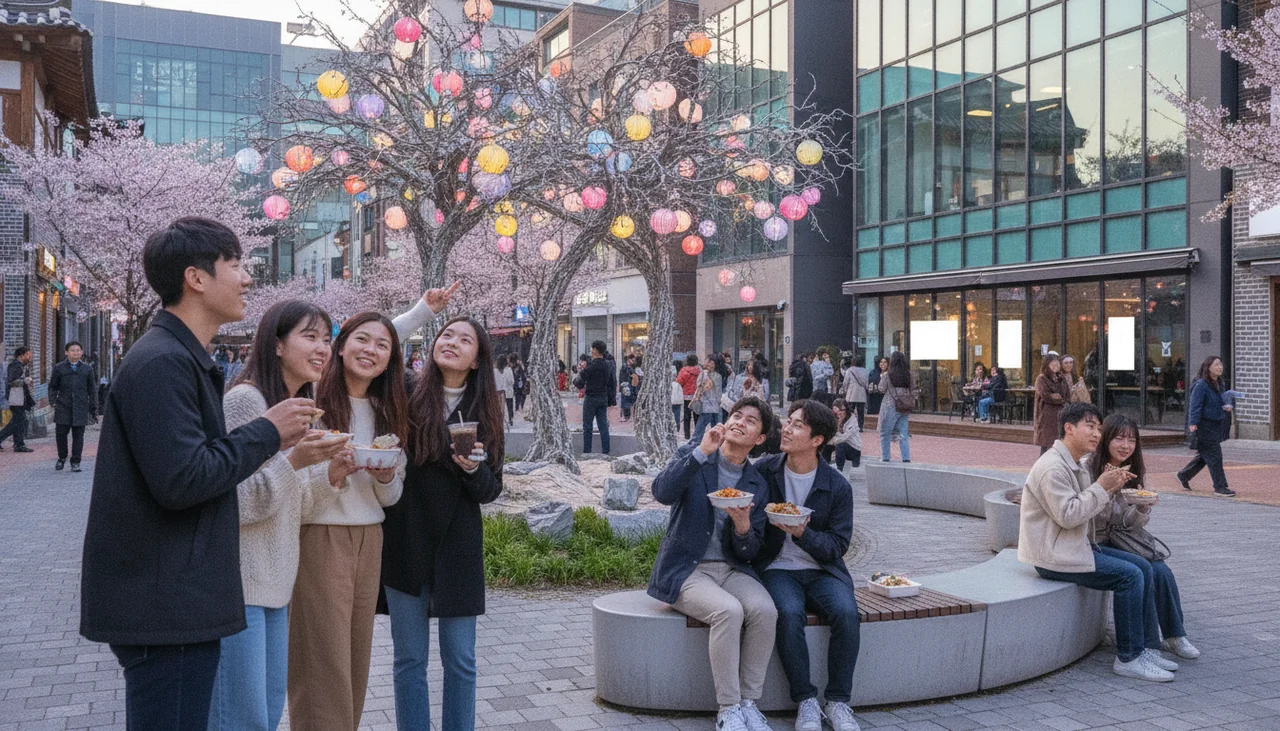
One notable example of the village’s architectural prowess is White Block Gallery, which Dezeen reported in July 2015 features fritted glass designed to evoke morning fog, showcasing the thoughtful integration of nature and design. This attention to detail is evident throughout Heyri, where buildings are often crafted to harmonize with the natural environment, utilizing local materials and innovative structures. This creates a cohesive yet diverse aesthetic that encourages exploration. Visitors often remark on the peaceful atmosphere, where art isn’t confined to gallery walls but spills out into public spaces, making every stroll an encounter with beauty. This blend of natural beauty and human creativity provides the perfect backdrop for the village’s cafes, offering patrons views that range from lush greenery to captivating sculptures and unique building facades.
Practical Tips for Your Heyri Art Village Cafe Journey
Planning your visit to Heyri Art Village, especially if you’re keen on exploring its cafes and galleries, requires a few key considerations. Firstly, and perhaps most importantly, many galleries, cafes, and restaurants in Heyri Art Village are closed on Mondays, a crucial travel tip highlighted by the Gyeonggi Tourism Organization in July 2026. It’s always a good idea to check specific opening hours if you have a particular spot in mind, though generally, avoiding Mondays will maximize your options.
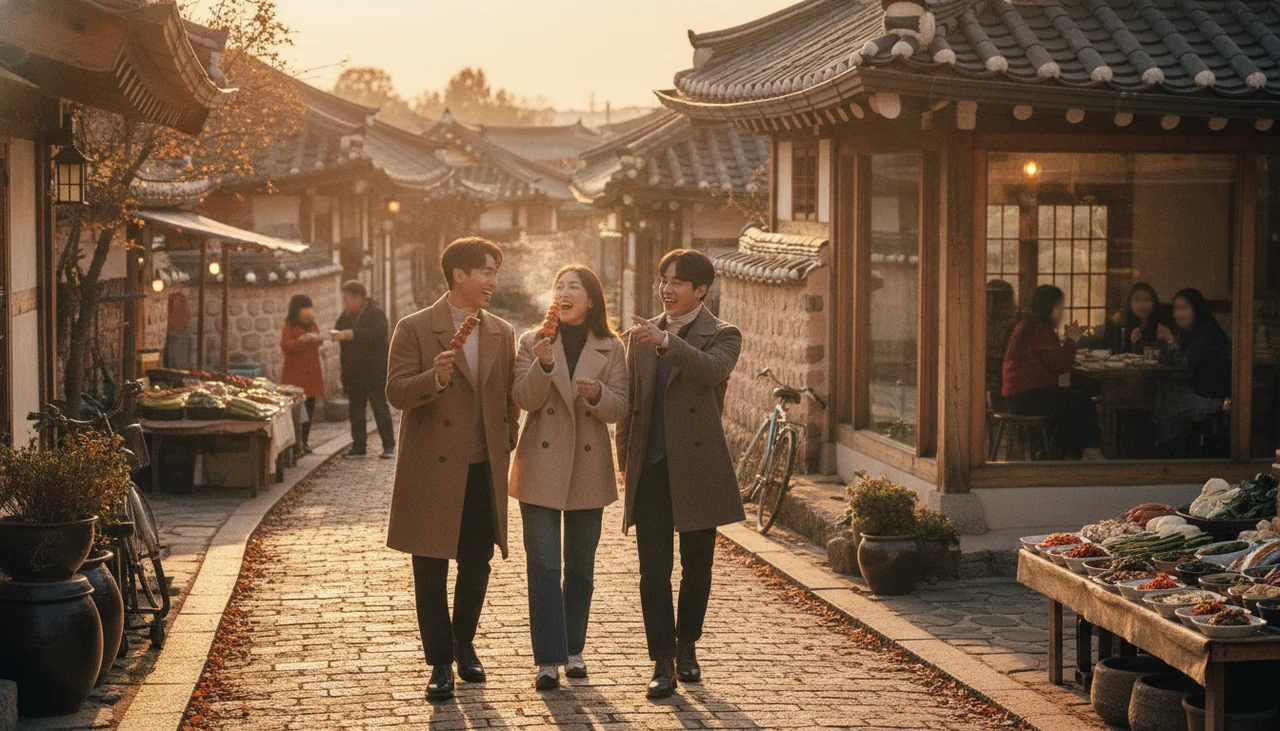
The best time to visit is often during weekdays to avoid weekend crowds, allowing for a more serene and contemplative experience. Summer, in particular, has been noted as a perfect time for a scenic road trip to the area, as mentioned by news.cgtn.com in May 2019, encouraging visitors to enjoy the village’s “peace and hope.” Mornings are typically quieter, offering a chance to enjoy a peaceful coffee before the village fully awakens.
Getting There: By Car: Heyri Art Village is easily accessible by car, being less than an hour’s drive from Seoul. This offers the most flexibility for exploring at your own pace. Parking facilities are generally available, though they can fill up on busy weekends. By Public Transport: You can take a bus from Hapjeong Station (Seoul Subway Line 2 or 6) or other major bus terminals in Seoul directly to Heyri Art Village. The journey typically takes around an hour to an hour and a half, depending on traffic. Once there, the village is quite spread out, so be prepared for some walking or consider using local taxis to get between different areas.
Rough Budget: For a day trip focusing on cafes and cultural exploration, a realistic budget would be: Transportation: 10,000-20,000 KRW (round trip by bus, or gas/tolls if driving) Cafes/Food: 15,000-30,000 KRW per person (for a couple of drinks and a snack/light meal) * Entry Fees: Some galleries or museums may have entry fees ranging from 5,000-15,000 KRW. Many cafes, however, do not have a separate entry fee. Overall, expect to spend around 30,000-65,000 KRW per person for a comfortable day out, excluding extensive shopping.
Beyond the Bean: Exploring Heyri’s Cultural Canvas
While the cafes are a significant draw, they are just one facet of Heyri’s rich cultural tapestry. The village is a vibrant community where artists live and work, and this dynamic energy is palpable throughout its many institutions. You’ll find a wide range of museums, from those dedicated to modern art and photography to more niche collections focusing on toys, traditional crafts, or even film. Film director Park Chan-wook was mentioned in a 2009 New York Times Web Archive article, highlighting the broader cultural connections of the region.
Art installations are scattered throughout the village, both indoors and outdoors, inviting visitors to engage with creativity at every turn. Many studios also offer workshops or demonstrations, providing a hands-on opportunity to experience various art forms. For instance, TripZilla in September 2017 noted “16 Things to See & Do in the 3 Quirky Villages of Paju,” emphasizing the sheer variety of experiences available. This makes Heyri an excellent destination for families, couples, or solo travelers looking to immerse themselves in a creative environment beyond simply sipping coffee. It’s a place where you can easily spend an entire day discovering hidden treasures and finding inspiration in unexpected places.
Planning Your Paju Day Trip: Logistics and Nearby Attractions
Heyri Art Village is often the centerpiece of a day trip to Paju, but the region offers several other compelling attractions that can be easily combined for a fuller experience. Paju City, as highlighted by Gyeonggi Province in April 2025, features “Courses 6 and 7 in Paju City, which connect Odusan Unification Observatory and Heyri Art Village,” offering a chance to experience both art and history. The Odusan Unification Observatory provides a poignant look across the border into North Korea, offering a historical and geopolitical contrast to Heyri’s artistic endeavors.
Another popular nearby destination is Paju Book City, a unique complex dedicated to publishing, printing, and literary culture. It’s home to numerous publishing houses, bookstores, and cultural spaces, making it a paradise for book lovers. This proximity makes it easy to transition from a morning of artistic exploration and cafe hopping in Heyri to an afternoon of literary discovery. Furthermore, Haengju Fortress, a historic site with panoramic views of the Han River, is also mentioned as a tourist attraction fit for family outings, according to a June 2017 article. Combining Heyri with one or two of these spots allows for a well-rounded day trip that blends culture, history, and natural beauty. For those driving, planning a route that encompasses these diverse attractions is straightforward, making Paju an incredibly rewarding destination just outside of Seoul.
Quick Summary
Heyri Art Village in Paju offers a truly unique blend of art, architecture, and cafe culture, making it an ideal day trip destination from Seoul in 2026. Its cafes are not merely places to drink coffee, but creatively designed spaces that reflect the village’s artistic ethos. Remember that many establishments, including cafes, close on Mondays, as advised by the Gyeonggi Tourism Organization in July 2026. Beyond the cafes, visitors can explore numerous galleries, museums, and architectural marvels like the White Block Gallery, noted by Dezeen in July 2015. Easy to reach by car or bus, Heyri can be combined with nearby attractions such as Odusan Unification Observatory and Paju Book City for a comprehensive Paju experience. Expect general cafe prices to range from 6,000-12,000 KRW per item. It’s a place where creativity thrives, offering a peaceful and inspiring escape.
Found this helpful? Bookmark us! ⭐